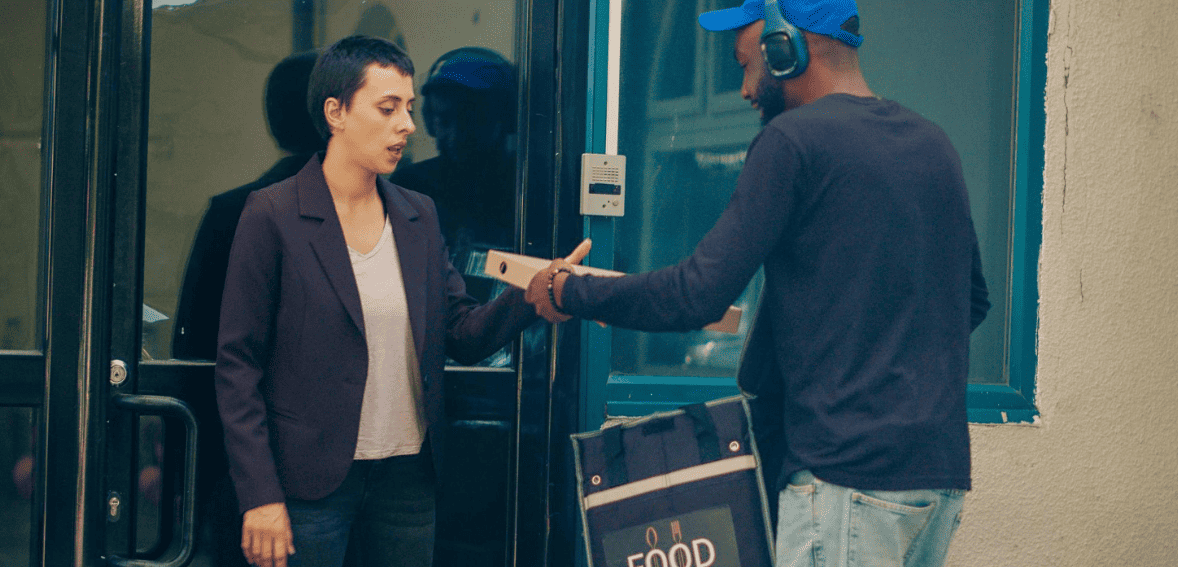
Fast Food Delivery: Why Fast and Accurate Delivery Matters More Than Ever for Restaurants
The restaurant industry has undergone a major transformation in recent years. While dining in remains an important part of the business, fast food delivery has become a core revenue stream for many restaurants. Customers increasingly expect to enjoy their favourite meals at home, at work, or on the go without sacrificing quality, convenience, or service. As a result, delivery is no longer just an additional service. For many establishments, it has become a critical part of daily operations and long-term growth.
The advent of ordering platforms and mobile apps has changed expectations of consumers. Consumers expect to get deliveries fast, accurate, and in good condition. Even slight delays in delivery or absence of one product will influence the customers’ perception of a restaurant. At present, when the competition is tough, restaurants are assessed not just for food quality, but also for their delivery.
Delivery speed and its accuracy are becoming increasingly important for restaurants. Those restaurants that make timely deliveries and deliveries that consist of everything ordered will be more loyal customers, will give good feedback and will use the restaurant’s services again. Poor performance of the delivery process will spoil the reputation of the restaurant and force clients to go elsewhere. Knowing the reasons why delivery speed and accuracy are crucial for a restaurant can help restaurants to operate better and establish relations with customers successfully.
The Rise of Delivery as a Customer Expectation
A decade ago, food delivery was largely associated with a limited number of restaurant categories. Today, customers expect delivery options from nearly every type of food establishment, including fine dining restaurants, cafés, bakeries, quick service chains, and independent eateries. The convenience of ordering food through a smartphone has fundamentally changed consumer behaviour.
Many customers now view delivery as a standard service rather than a special offering. Whether they are ordering lunch during a busy workday, dinner after a long commute, or snacks during a weekend gathering, they expect a seamless experience from start to finish. This means restaurants must focus not only on preparing great food but also on ensuring that every order reaches the customer quickly and correctly.
As delivery volumes continue to increase, competition has intensified. Customers often have dozens of restaurant options available within minutes. When several establishments offer similar menus and pricing, delivery performance can become a deciding factor. Restaurants that consistently provide excellent delivery customer experience often gain an advantage over competitors that struggle with delays or mistakes.
The growing importance of delivery has transformed it from an operational function into a critical part of the overall customer journey.
Why Speed Has Become a Competitive Advantage
Convenience is one of the main aspects of food delivery in this world where everything is rushing. People order delivery to save time and effort. Long-term waits spoil the very essence of food delivery.
The speed of delivery at restaurants has become an important factor in forming the opinion of the customer. When a client makes an order, he or she has certain expectations about the time of its delivery. Satisfaction or exceeding of these expectations leaves a good impression on the customer and makes him or her make purchases again.
Timely delivery helps to preserve the quality of food. Many items are better to eat just after being cooked. Hamburgers, French fries, pizza, sandwiches and other hot food may lose texture, taste and heat while being delivered for a long time. Even high-quality prepared food will not satisfy customers if it is cold or stale.
Often customers make comparisons between the delivery time of various restaurants. Those which are known for their fast food delivery usually get greater loyalty of the customers. Small steps forward in delivering orders timely can play an important role in a highly competitive market.
Accuracy Is Just as Important as Speed
While speed is essential, it means little if the order is incorrect. Customers want the food they ordered, prepared according to their preferences, and delivered without missing items or errors. This is where order accuracy becomes a critical factor in restaurant success.
Receiving the wrong meal, missing side dishes, forgotten beverages, or incorrect customisations can quickly turn a positive experience into a frustrating one. Customers may understand occasional mistakes, but repeated errors often lead to negative reviews and lost trust.
Order accuracy is particularly important because delivery customers cannot immediately resolve issues the way dine-in guests can. If a customer discovers a mistake after the delivery arrives, correcting the problem often requires additional waiting time, communication with customer support, or accepting an unsatisfactory meal.
Restaurants that prioritise accuracy demonstrate professionalism and attention to detail. Careful order verification processes, clear communication between kitchen staff and delivery teams, and effective packaging procedures all contribute to better outcomes. Consistently accurate orders strengthen customer confidence and improve overall food delivery satisfaction.
In many cases, customers are more likely to forgive a slight delay than a significant mistake in their order.
The Connection Between Delivery and Brand Reputation
Every delivery order is a direct encounter between the restaurant and its customer. It will impact the way people perceive the brand, the possibility that they will refer others to it, and whether they would like to place another order with it in the future.
Given that today we live in the world of online reviews and social media, people are prone to sharing their opinions with a huge number of people in a matter of minutes. Complaints about late deliveries, wrong orders, or poor service tend to draw people’s attention.
On the contrary, positive delivery experiences become a great tool for free marketing through word of mouth. People will be more likely to write positive reviews and tell others about a restaurant if the order was delivered fast and accurately.
The delivery customer experience has evolved into an extension of the restaurant brand identity. People tend to confuse the delivery experience with food quality. In case something goes wrong with the former, the whole experience of eating at the restaurant will seem bad to them despite the fact that the food might be delicious. It means that now it is crucial to pay equal attention to both aspects.
Customer Loyalty Depends on Consistency
Building customer loyalty is one of the most important goals for any restaurant. Acquiring new customers can be expensive, while retaining existing customers often provides greater long-term value. Delivery performance plays a significant role in determining whether customers return.
People are more likely to reorder from restaurants they trust. That trust develops when customers consistently receive meals that arrive on time, match their expectations, and maintain high quality. A single positive experience may encourage another order, but consistent performance is what creates long-term loyalty.
Restaurant delivery speed contributes directly to reliability. Customers appreciate knowing that their meals will arrive within the promised timeframe. Similarly, order accuracy reassures customers that they can place orders without worrying about mistakes.
Restaurants that deliver consistent experiences often become default choices for customers. When people know they can depend on a restaurant, they are less likely to experiment with competitors. Over time, this consistency helps create stable revenue and stronger customer relationships.
In an increasingly crowded marketplace, loyalty built through dependable delivery can become a significant competitive advantage.
How Delivery Performance Affects Revenue
Delivery quality has a direct impact on restaurant profitability. Every delayed order, incorrect meal, or customer complaint can create costs that extend beyond the immediate transaction.
When mistakes occur, restaurants may need to provide refunds, discounts, replacements, or promotional credits. These corrective measures can reduce profit margins and increase operational expenses. Repeated issues may also discourage customers from placing future orders, resulting in lost revenue opportunities.
Strong delivery performance, however, can support business growth. Satisfied customers are more likely to order frequently, spend more per transaction, and recommend the restaurant to others. Positive experiences often contribute to higher customer lifetime value and stronger overall financial performance.
Fast food delivery can also increase order volumes during peak periods. Customers who trust a restaurant’s delivery capabilities may feel more comfortable placing larger orders for family meals, office lunches, or group gatherings.
The financial impact of delivery extends far beyond individual transactions. Effective delivery operations can influence customer retention, brand perception, and long-term business sustainability.
The Importance of Food Quality During Transit
Preparing great food is only part of the challenge. Restaurants must also ensure that food maintains its quality throughout the delivery journey. Even perfectly prepared meals can disappoint customers if packaging, transportation, or timing issues compromise the final product.
Certain foods are particularly sensitive to delivery conditions. Fried items can become soggy, cold dishes can warm up, and beverages may spill if packaging is inadequate. Maintaining food quality requires careful planning and attention to detail.
Restaurant delivery speed plays an important role in preserving freshness. Shorter delivery times generally help ensure that food arrives closer to its intended serving condition. Effective route planning, efficient order preparation, and coordination with delivery personnel all contribute to better outcomes.
Packaging also plays a significant role in supporting food delivery satisfaction. Containers must protect food, maintain temperature, prevent leaks, and preserve presentation. Customers often judge restaurants not only by taste but also by how well their meals arrive after delivery.
Delivering high-quality food consistently strengthens customer confidence and reinforces positive perceptions of the restaurant.
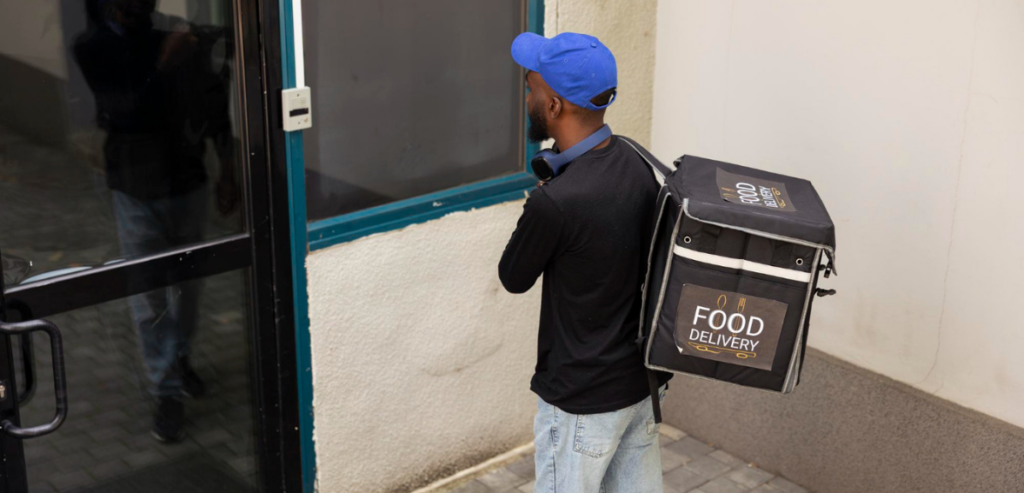
Technology’s Role in Improving Delivery Operations
Modern technology has transformed restaurant delivery management. Digital ordering platforms, kitchen display systems, route optimisation tools, and real-time tracking capabilities help restaurants improve efficiency and reduce errors.
Online ordering systems minimise communication mistakes by allowing customers to enter preferences directly. Automated workflows ensure that orders move smoothly from placement to preparation to dispatch. Real-time tracking provides visibility for both customers and restaurant staff.
Technology can also improve order accuracy by reducing manual processes. Integrated systems help ensure that order details are transmitted correctly and consistently throughout the operation. Staff can verify information more easily and identify potential issues before orders leave the restaurant.
Customers increasingly expect transparency during the delivery process. Being able to monitor order status and estimated arrival times contributes to a better delivery customer experience. When customers feel informed, they are generally more patient and satisfied.
As delivery continues to evolve, technology will remain a critical tool for improving speed, accuracy, and overall service quality.
Meeting the Expectations of Modern Consumers
Today’s consumers have higher expectations than ever before. They are accustomed to fast digital services, instant communication, and convenient purchasing experiences across multiple industries. These expectations naturally extend to food delivery.
Customers often compare restaurants not only with direct competitors but also with the best service experiences they encounter elsewhere. This means restaurants must continually improve to remain competitive. Delays, errors, and inconsistent service are increasingly difficult to justify in a marketplace where alternatives are readily available.
Fast food delivery has become closely associated with convenience. Customers expect restaurants to respect their time and deliver meals efficiently. At the same time, they expect accuracy and attention to detail, particularly when orders involve customisations, dietary requirements, or special requests.
Meeting these expectations requires ongoing investment in staff training, operational processes, technology, and quality control. Restaurants that adapt successfully are better positioned to attract and retain customers in a rapidly changing market.
Understanding customer expectations is essential for building sustainable delivery operations that support long-term success.
Challenges Restaurants Must Overcome
While fast and accurate delivery is important, achieving it consistently is not always easy. Restaurants face numerous operational challenges that can affect performance. High order volumes, staffing shortages, traffic conditions, weather disruptions, and communication breakdowns can all create difficulties.
Balancing speed with order accuracy requires careful management. Rushing orders may increase the likelihood of mistakes, while excessive quality checks can slow delivery times. Finding the right balance is essential.
Delivery operations also involve coordination between multiple teams, including kitchen staff, front-of-house employees, dispatchers, and drivers. Any disruption within this chain can affect the final customer experience.
Despite these challenges, successful restaurants recognise that delivery excellence is worth pursuing. Continuous improvement efforts, employee training, process optimisation, and technology adoption can help overcome obstacles and create more reliable operations.
Businesses that proactively address delivery challenges are often better equipped to meet customer expectations and maintain strong performance over time.
Conclusion
Food delivery has become one of the most important aspects of modern restaurant operations. As customer expectations continue to rise, restaurants can no longer view delivery as a secondary service. It is now a core component of the overall dining experience and a major factor influencing customer satisfaction, loyalty, and business success.
Restaurant delivery speed plays a critical role in meeting customer expectations, preserving food quality, and creating positive impressions. At the same time, order accuracy remains equally important because customers expect to receive exactly what they ordered without mistakes or omissions.
The relationship between fast food delivery, strong delivery customer experience, and high food delivery satisfaction is clear. Restaurants that consistently deliver meals quickly and accurately are more likely to build loyal customer bases, earn positive reviews, and generate sustainable growth.
As competition continues to intensify, delivery performance will remain a key differentiator. Restaurants that invest in efficient operations, reliable technology, employee training, and quality control processes will be better positioned to meet the demands of modern consumers.
In a world where convenience drives purchasing decisions, fast and accurate delivery is no longer simply an advantage. It has become an essential requirement for restaurants seeking long-term success.