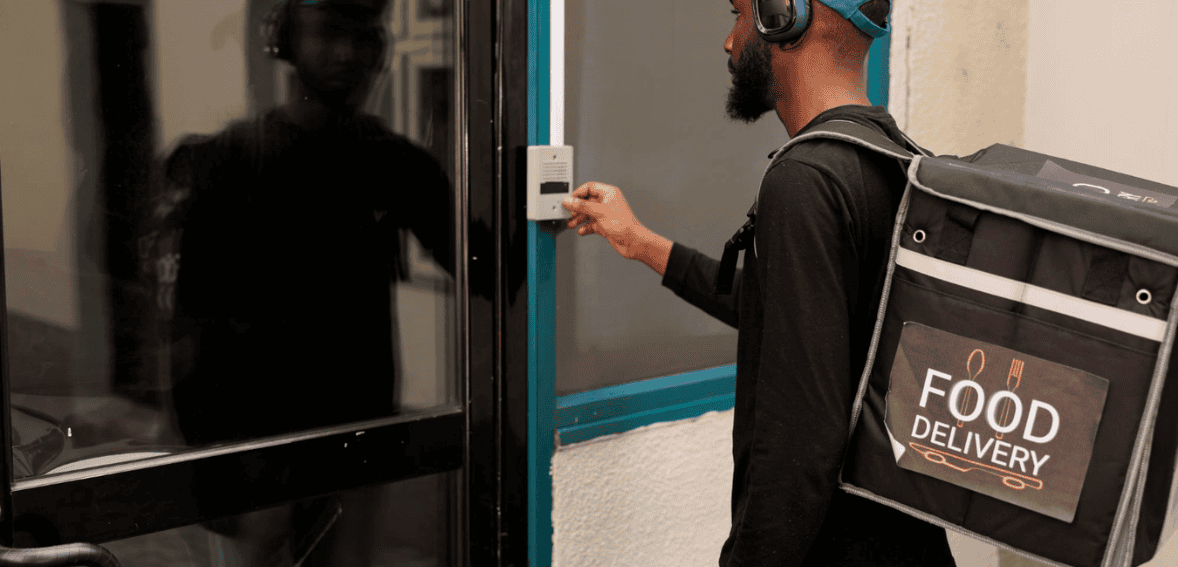
Restaurant Delivery Mistakes: The Biggest Operational Mistakes Restaurants Make With Food Delivery
Food delivery has transformed the restaurant industry over the last decade. What was once considered an additional convenience has now become a major revenue stream for restaurants of all sizes. Customers expect quick deliveries, accurate orders, consistent food quality, and a smooth experience from the moment they place an order until the food reaches their doorstep. While delivery platforms have made it easier for restaurants to reach customers, they have also introduced a new set of operational challenges that many businesses struggle to manage effectively.
Many restaurants focus heavily on their dine-in experience but fail to give the same level of attention to delivery operations. As a result, issues such as delayed deliveries, incorrect orders, poor packaging, and communication breakdowns can negatively affect customer satisfaction and profitability. Successful food delivery operations require careful planning, coordination, and continuous improvement. Understanding the most common restaurant delivery mistakes can help restaurant owners build stronger systems, improve customer loyalty, and increase long-term revenue.
Treating Delivery as a Secondary Business
One of the major problems that many businesses face is ignoring the importance of deliveries altogether, seeing them as a side aspect that comes in addition to the usual services, and failing to realize that delivery service should be considered one of the key elements for successful restaurant operations. By not giving much thought to deliveries, restaurants run the risk of causing delays, poor quality, and unhappy customers who expect a lot from delivery services since they cannot contact employees directly at the restaurant.
Modern clients of many restaurants interact with them exclusively via online food delivery applications. The impression that such customers have regarding any given restaurant is determined solely by the efficiency of deliveries, the quality of packing, the state of the ordered dishes, and the accuracy of their delivery. By ignoring all of these factors, restaurants put themselves in a difficult position and may lose valuable clients. For efficient food deliveries, restaurants must understand that it is an integral part of the process.
Poor Menu Design for Delivery
Many menu items perform exceptionally well inside a restaurant but lose their appeal during transportation. Foods that become soggy, cold, or visually unappealing after twenty or thirty minutes of travel often generate complaints despite being prepared correctly. One of the most common restaurant delivery mistakes is offering the entire dine-in menu without evaluating how each item performs during delivery.
Restaurants should regularly test their delivery menu by packaging meals and evaluating their quality after realistic travel times. Certain dishes may require modifications, alternative ingredients, or different packaging solutions. Some items may need to be removed entirely from delivery platforms if they consistently arrive in poor condition. A delivery-friendly menu helps improve customer satisfaction while reducing refunds and complaints. Strong restaurant logistics depend on understanding how products perform outside the restaurant environment and adapting accordingly.
Ignoring Packaging Quality
The importance of proper packaging cannot be overemphasized because many restaurants are still considering packaging to be just a small expense. Poor packaging may result in spills, leakage, temperature loss, or damage. The customers’ experience of the entire product starts right from the moment when it is delivered. Even though the dish may be prepared excellently, it will not leave the right impression if its appearance suffers due to the poor packaging.
Proper packaging for a restaurant should be viewed as an investment. Packaging should keep the temperature of the dishes in order, prevent them from moving inside, and help preserve their quality. Different dishes call for different packaging, such as hot or cold dishes, beverages, and deserts. It can help improve the efficiency of takeout service and prevent complaints from customers.
Failing to Forecast Demand Accurately
Many of the issues relating to deliveries arise due to the fact that restaurants are unable to predict the number of orders that will be generated during the peak times. A sudden increase in the demand will leave the kitchen staff overloaded, resulting in slower preparation times. Orders placed by customers during peak hours often face delays and poor services.
Good forecasts enable restaurants to plan ahead by making effective staffing plans, stocking up inventories, and organizing the work process in the kitchen. Several factors may affect delivery demands, including historical data on sales, seasonal variations, local activities, the weather, and promotions. Those who keep an eye on these factors and use them effectively will find that their operations run more smoothly.
Overloading the Kitchen During Peak Hours
A kitchen designed primarily for dine-in service may struggle when delivery orders increase significantly. During peak periods, staff members can become overwhelmed by simultaneous dine-in, takeout, and delivery orders. This often leads to longer preparation times, increased mistakes, and declining food quality.
Restaurants should carefully evaluate kitchen capacity and workflow efficiency. Dedicated preparation stations for delivery orders can reduce congestion and improve speed. Some high-volume restaurants even establish separate production areas specifically for online orders. By balancing workloads effectively, restaurants can maintain quality across all service channels. Efficient restaurant logistics depend on creating workflows that can handle varying demand levels without compromising customer experience.
Lack of Clear Order Verification Processes
Incorrect orders remain one of the most common reasons customers leave negative reviews. Missing items, incorrect modifications, and packaging errors can quickly damage a restaurant’s reputation. Many restaurants rely solely on individual employees to verify orders, increasing the risk of human error.
Implementing a structured verification process can significantly improve accuracy. Before an order leaves the kitchen, staff should confirm all items, special instructions, sauces, utensils, and beverages. A simple verification system helps reduce costly mistakes and improves customer trust. Effective food delivery operations require consistency at every stage of the order fulfillment process.
Poor Communication Between Teams
Coordination among chefs, waiters, delivery boys, and management staff will play an essential role in ensuring successful deliveries. Lack of effective communication is another reason for failures that can negatively impact customers. If everyone acts separately and fails to exchange information, even minor problems might transform into bigger challenges.
Restaurant owners need to develop a system where everyone can exchange information and communicate in case of any difficulties. Each employee has to be aware of his role and what steps should be taken when something happens unexpectedly. It doesn’t matter whether there are any delays in deliveries or customers asking for any changes. Effective communication is one of the most underestimated tips in restaurant delivery management.
Relying Too Heavily on Third-Party Platforms
Third-party delivery platforms provide access to large customer bases, but excessive dependence on them can create challenges. Restaurants often face high commission fees, limited customer ownership, and reduced control over the overall customer experience. When problems occur during delivery, customers frequently blame the restaurant even if the issue originates with the delivery platform.
Successful restaurants strive to balance third-party sales with direct ordering channels. Encouraging customers to order through the restaurant’s website or app helps increase profit margins and strengthen customer relationships. Diversifying delivery channels reduces business risk and improves long-term sustainability. Effective restaurant logistics involve maintaining control wherever possible while leveraging external platforms strategically.
Neglecting Delivery Driver Relationships
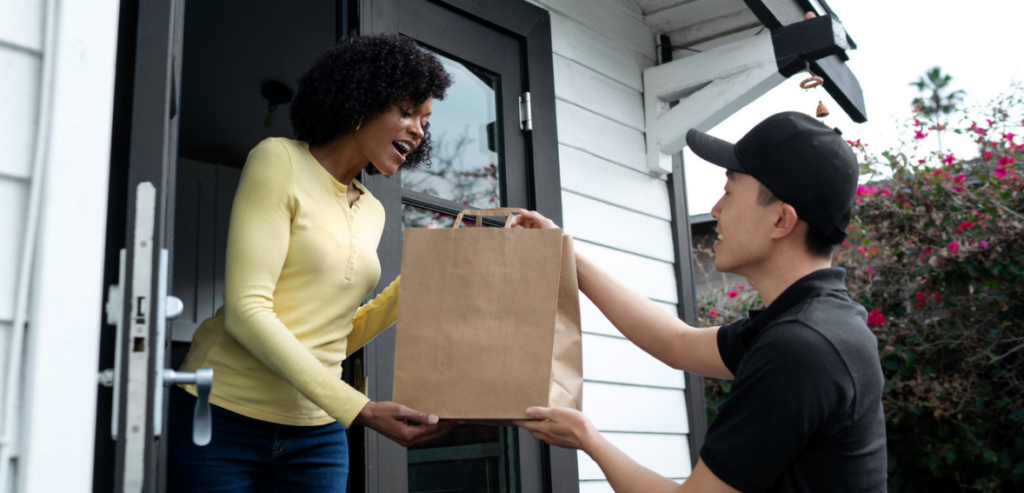
Delivery drivers play an important role in shaping customer experiences. Whether drivers are employed directly or operate through third-party services, their interactions with restaurant staff can impact efficiency and performance. Long wait times, poor pickup procedures, and disorganized handoff systems can frustrate drivers and contribute to delivery delays.
Restaurants should create streamlined pickup processes that minimize waiting times and confusion. Clearly designated pickup areas, organized order staging, and efficient communication can improve driver satisfaction and delivery speed. Positive relationships with drivers contribute directly to stronger food delivery operations and better customer outcomes.
Failing to Monitor Delivery Performance Metrics
Many restaurants track overall sales but fail to analyze delivery-specific performance indicators. Without accurate measurement, it becomes difficult to identify operational weaknesses and opportunities for improvement. Important metrics include delivery times, order accuracy rates, customer complaints, refund percentages, and repeat order rates.
Regular performance reviews help restaurants identify patterns and make informed decisions. Data-driven management allows businesses to address issues before they become major problems. Monitoring performance is one of the most practical delivery management tips for restaurants seeking sustainable growth. Continuous measurement supports better decision-making across all aspects of restaurant logistics.
Ignoring Customer Feedback
Customer feedback provides valuable insights into delivery performance, yet many restaurants fail to review comments systematically. Negative reviews often contain important information about recurring operational issues that management may not otherwise notice. Ignoring feedback can allow problems to persist and worsen over time.
Restaurants should actively collect, review, and respond to customer feedback. Trends related to food temperature, packaging quality, delivery times, or order accuracy should trigger operational reviews. Customers appreciate businesses that listen and take corrective action. Strong food delivery operations are built on continuous learning and adaptation based on real customer experiences.
Inadequate Staff Training
Delivery operations require different skills than traditional restaurant service. Employees must understand packaging standards, order verification procedures, delivery timing expectations, and platform-specific requirements. Without proper training, mistakes become more frequent and service quality suffers.
Training programs should include delivery-focused scenarios and operational guidelines. Staff members need to understand how their actions influence customer experiences beyond the restaurant walls. Consistent training improves takeout efficiency and helps create standardized service quality. Well-trained teams are better equipped to manage delivery challenges and maintain operational consistency.
Poor Inventory Management
Inventory issues can quickly disrupt delivery operations. Running out of popular menu items creates customer frustration and increases order cancellations. At the same time, overstocking ingredients can lead to unnecessary waste and higher costs. Many restaurants struggle to maintain accurate inventory visibility across multiple sales channels.
Effective inventory management requires real-time monitoring and accurate forecasting. Restaurants should regularly analyze sales patterns and adjust purchasing decisions accordingly. Integrated inventory systems can help improve accuracy and reduce operational disruptions. Strong restaurant logistics depend on maintaining sufficient inventory levels while controlling waste and costs.
Underestimating the Importance of Speed
Delivery customers value speed, but speed must be balanced with accuracy and quality. Some restaurants focus exclusively on preparation speed while neglecting other important aspects of service. Rushing orders often increases mistakes and reduces food quality, ultimately damaging customer satisfaction.
The goal should be operational efficiency rather than simply moving faster. Streamlined workflows, effective staffing, and proper planning can improve delivery times without sacrificing quality. Improving takeout efficiency requires a balanced approach that considers every stage of the customer journey. Restaurants that consistently deliver accurate orders within reasonable timeframes are more likely to build loyal customer bases.
Conclusion
The growth of food delivery has created enormous opportunities for restaurants, but it has also introduced new operational complexities. Success requires more than simply accepting online orders. Restaurants must carefully manage menu design, packaging, staffing, communication, forecasting, and customer feedback to create reliable delivery experiences. Many restaurant delivery mistakes stem from treating delivery as a secondary operation rather than a core component of the business.
Strong food delivery operations depend on continuous improvement and attention to detail. By focusing on order accuracy, packaging quality, kitchen efficiency, and customer satisfaction, restaurants can strengthen their delivery performance and improve profitability. Implementing practical delivery management tips, optimizing restaurant logistics, and improving takeout efficiency can help businesses avoid common pitfalls while building lasting customer loyalty. As delivery continues to play a larger role in the restaurant industry, those who invest in operational excellence will be best positioned for long-term success.