How Restaurants Can Increase Profits Through Direct Online Ordering
The restaurant industry has undergone a significant transformation over the past decade. Customers who once relied primarily on phone calls or in-person visits now expect the convenience of placing orders online. Whether they are ordering lunch from the office, dinner for the family, or a quick snack late at night, digital ordering has become a normal part of the customer experience. As this shift continues, restaurants are looking for ways to maximize revenue while maintaining strong customer relationships.
Many restaurant owners initially embraced third-party delivery platforms because they provided instant access to online customers. While these platforms can help increase visibility, they often come with high commission fees and limited customer ownership. As a result, many restaurants are now focusing on direct online ordering as a more profitable and sustainable growth strategy. By encouraging customers to order directly, restaurants can improve margins, strengthen brand loyalty, and gain greater control over their business operations.
Understanding the Rise of Online Food Ordering
Consumption behavior has greatly evolved over the past few years. Convenience has become a significant factor when it comes to the purchase decision process and consumers tend to favor establishments where ordering has been simplified. As a result, many restaurants, ranging from neighborhood coffee shops to large chains, have begun implementing food ordering via the internet.
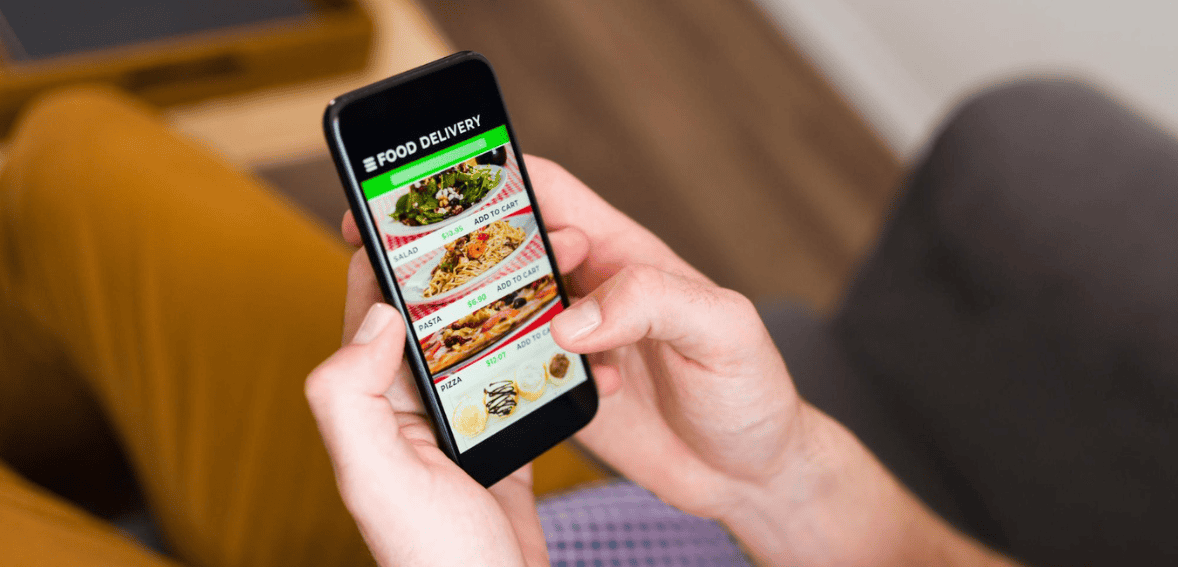
Ordering through an online system gives customers the chance to quickly go through the menu, tailor their orders, select whether they prefer pickup or delivery, as well as pay right there without leaving the comfort of their home. These types of services will encourage customers to order more frequently and ensure higher satisfaction levels. The development of online services provides many advantages to restaurants looking to compete in an increasingly crowded market.
Online ordering can also help businesses boost their income by enabling them to sell to customers outside of the traditional dining room setting. Not only do restaurants get more flexible, but they also expand their market significantly.
What Is Direct Online Ordering?
Direct online ordering refers to a system where customers place orders directly through a restaurant’s own website or branded ordering platform rather than using a third-party marketplace. Orders go straight to the restaurant, allowing the business to manage the customer relationship from beginning to end.
When customers use a restaurant ordering website, the restaurant retains control over pricing, promotions, customer data, and communication. This direct connection allows businesses to create a more personalized experience while avoiding many of the costs associated with third-party platforms.
Restaurants that invest in direct ordering channels often discover that they gain valuable insights into customer behavior. Information such as favorite menu items, ordering frequency, and purchasing patterns can help restaurants make smarter business decisions and improve marketing effectiveness.
Why Third-Party Commissions Reduce Profitability
The use of third-party delivery services comes with many benefits; however, their charges pose a potential problem to business profitability since they usually deduct a considerable percentage of each order made through their platform, thus leaving minimal gains for already slim profit margins in most businesses. In highly competitive markets, such charges can easily eat up significant portions of the total sales of any business.
For instance, a restaurant handling several hundred orders weekly through a third-party delivery app would see a lot of its earnings go back into paying delivery commissions. This implies that such businesses earn less in comparison to their direct sales.
Through direct ordering by clients, a restaurant would be able to benefit more from transactions as compared to when orders are done via other apps. The idea of having a zero commission on orderings is now becoming popular because of these benefits.
How Direct Ordering Improves Profit Margins
One of the biggest advantages of direct online ordering is the ability to improve profit margins. Every order placed directly through a restaurant’s own platform eliminates or reduces third-party commission expenses, allowing more revenue to remain within the business.
Higher profit margins create opportunities for restaurants to invest in other areas of growth. Additional funds can be allocated toward marketing initiatives, staff training, equipment upgrades, menu development, or customer loyalty programs. Rather than losing revenue to external platforms, restaurants can reinvest in their own success.
Direct ordering also provides greater pricing flexibility. Restaurants can create promotions, bundle offers, and special deals without worrying about additional platform restrictions. This control helps businesses optimize pricing strategies while maintaining healthy profitability.
Building a Strong Restaurant Ordering Website
A good restaurant ordering website forms the basis of a direct ordering strategy. In the current digital era, customers prefer a website where ordering is quick and easy. The more difficult the process seems, the greater the likelihood that the customer will not continue but rather opt for another method.
Some of the key features of an ideal website include an itemized menu, quality images of the foods offered, detailed description of each meal, clear checkout process, and a mobile design. Considering that people use their phones to order, the website must have a mobile design.
The ordering process must involve minimal steps. It must be as easy as choosing items, customizing orders, paying for meals, and getting confirmation. The simplicity of the website makes it one of the most valuable properties of a restaurant.
Creating Customer Loyalty Through Direct Relationships
One of the main issues with third-party platforms is that they restrict restaurant access to consumer information. The platform usually owns the consumer relationship instead of the business. Thus, it is hard to establish customer loyalty.
By contrast, the situation changes dramatically in the case of direct ordering. Consumers provide useful contact details, including emails and phone numbers. Besides, restaurants receive other data like order history and consumer preferences that help establish contact and improve consumer experience.
It becomes much easier to create customer loyalty programs and reward consumers for their loyalty when it comes to direct ordering. Businesses can make use of these programs to increase profits and generate more revenue from consumers.
Increasing Average Order Value Through Direct Channels
Another benefit of direct online ordering is the ability to increase average order value. Restaurants have greater control over how products are presented and promoted when customers order directly through their own platform.
For example, restaurants can recommend complementary menu items during checkout, suggest upgrades, or offer family meal bundles. These personalized recommendations often encourage customers to spend more than they initially planned.
Restaurants can also test different promotions and pricing strategies without relying on third-party platform limitations. Special offers, limited-time deals, and customized recommendations can all contribute to larger transaction sizes and increased revenue per order.
Using Customer Data to Drive Better Decisions
Data is among the most precious resources in contemporary business operations. Restaurants focused on restaurant online sales get the opportunity to obtain valuable customer data that will be useful in enhancing various operations within the business.
The data collected will enable the identification of popular items from the restaurant’s menu, successful promotional campaigns and also peak demand times. It will also assist in effective management of staffing, inventory, and promotional activities.
Another way through which data can assist businesses to succeed in their ventures is through facilitating personalized promotions. This implies that rather than sending promotions to all customers without any regard, promotions can be personalized based on customer’s needs.
Improving Marketing Efficiency
Marketing becomes more effective when restaurants control their customer relationships. Direct ordering platforms allow businesses to communicate with customers through email campaigns, text messages, loyalty rewards, and social media promotions.
When customers order directly, restaurants can encourage repeat purchases through targeted marketing efforts. For example, a restaurant may send a discount code to customers who have not placed an order in several weeks or promote a new menu item to frequent buyers.
Because restaurants retain ownership of customer data, marketing investments often deliver better returns. Instead of relying solely on expensive advertising campaigns, businesses can nurture existing customer relationships and encourage repeat orders at a lower cost.
Enhancing the Customer Experience
Customer experience plays a critical role in restaurant success. A positive ordering experience can encourage repeat business, while a frustrating one may drive customers away. Direct ordering platforms allow restaurants to maintain greater control over every stage of the customer journey.
Restaurants can customize the ordering interface, provide accurate delivery estimates, offer multiple payment options, and ensure that branding remains consistent throughout the experience. These details help create a more professional and trustworthy impression.
When customers feel confident ordering directly, they are more likely to return. Over time, strong customer experiences contribute to higher retention rates and increased profitability.
Encouraging Customers to Order Directly
Simply launching an ordering platform is not enough. Restaurants must actively encourage customers to use it instead of relying on third-party marketplaces. This often involves creating incentives that make direct ordering more appealing.
Exclusive discounts, loyalty points, free delivery promotions, and special menu items can motivate customers to order directly. Restaurants can also promote their ordering website through social media, email marketing, in-store signage, packaging inserts, and digital advertising.
Clear communication is important. Customers should understand the benefits of ordering directly, including better deals, loyalty rewards, and support for local businesses. As awareness grows, many customers willingly shift their behavior toward direct channels.
The Role of Mobile Ordering in Restaurant Growth
Mobile devices have become central to the online ordering experience. Customers increasingly browse menus, place orders, and complete payments using smartphones. Restaurants that optimize their ordering systems for mobile users are better positioned to capture this growing demand.
A mobile-friendly platform should load quickly, display menus clearly, and provide an intuitive checkout process. Customers expect convenience, and even small usability issues can lead to abandoned orders.
Mobile ordering also creates opportunities for location-based promotions, push notifications, and personalized offers. These capabilities help restaurants stay connected with customers and drive repeat purchases through direct channels.
Why Commission Free Ordering Supports Long-Term Success
The appeal of commission free ordering extends beyond immediate cost savings. While avoiding commission fees improves short-term profitability, the long-term benefits can be even more significant.
Restaurants that own their ordering channels build stronger customer relationships, collect valuable data, and gain greater operational control. They are less dependent on external platforms and better equipped to adapt to changing market conditions.
Over time, direct ordering creates a more sustainable business model. Revenue remains within the business, customer loyalty strengthens, and marketing effectiveness improves. These advantages contribute to consistent growth and greater financial stability.
The Future of Restaurant Digital Sales
Digital ordering is no longer a temporary trend. It has become a permanent part of how customers interact with restaurants. As technology continues to evolve, businesses that invest in restaurant digital sales will be better prepared to meet changing consumer expectations.
Future innovations may include enhanced personalization, AI-driven recommendations, integrated loyalty programs, and more seamless ordering experiences. Restaurants that establish strong direct ordering foundations today will be well positioned to benefit from these advancements.
Consumers increasingly value convenience, speed, and personalization. Direct ordering platforms provide restaurants with the tools needed to deliver all three while maintaining profitability and operational control.
Conclusion
The growth of online food ordering has created tremendous opportunities for restaurants, but not all digital sales channels deliver the same level of profitability. While third-party marketplaces can generate visibility, their commission structures often reduce margins and limit customer ownership. Direct online ordering offers a more sustainable alternative that allows restaurants to retain more revenue, strengthen customer relationships, and build long-term business value.
By investing in a high-quality restaurant ordering website, promoting commission free ordering, and focusing on customer loyalty, restaurants can create a stronger foundation for growth. Direct channels provide access to valuable customer data, improve marketing effectiveness, and support larger average order values. As restaurant digital sales continue to expand, businesses that prioritize direct ordering will be better positioned to increase profits, enhance customer experiences, and maintain greater control over their future success.