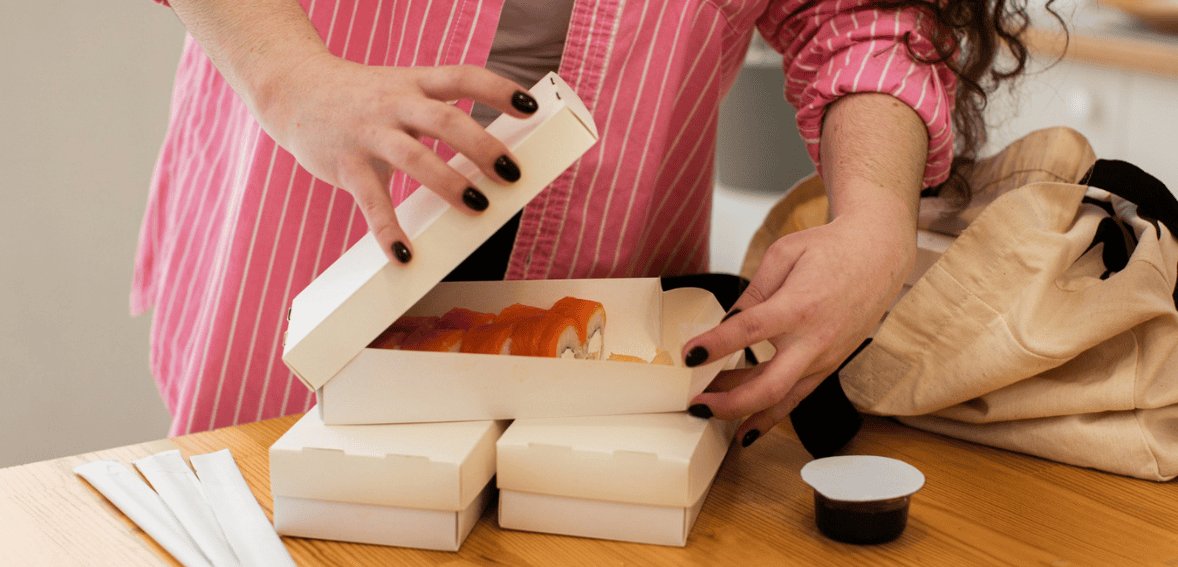
Best Packaging Strategies to Keep Delivered Food Fresh and Secure
Food delivery has become an essential part of the restaurant industry. Customers now expect their favourite meals to arrive quickly, safely, and in the same condition they would enjoy inside the restaurant. Whether ordering lunch during work, dinner for the family, or late-night snacks, people expect food to remain hot or cold as intended, free from spills, and presented attractively. Meeting these expectations depends on far more than cooking quality alone. Packaging Strategies has become one of the most important factors influencing the overall delivery experience.
Even a perfectly prepared meal can leave customers disappointed if it arrives cold, soggy, leaking, or damaged during transportation. On the other hand, thoughtful packaging helps preserve temperature, maintain food quality, prevent contamination, and create a positive impression that encourages repeat orders. For restaurants, investing in effective packaging is not simply an operational necessity but an important part of customer satisfaction and brand reputation.
Modern delivery operations require packaging that protects food throughout its journey while remaining practical for customers and delivery drivers alike. Different menu items require different packaging solutions, making careful planning essential.
By understanding the best packaging strategies, restaurants can improve delivery quality, reduce customer complaints, and create better dining experiences from kitchen to doorstep.
Why Packaging Strategies Matters More Than Ever
The rapid growth of food delivery has changed how restaurants serve customers. In traditional dine-in settings, meals move directly from the kitchen to the table within minutes. During delivery, however, food may travel considerable distances while experiencing movement, temperature changes, and handling by multiple people.
Packaging becomes the primary barrier protecting food throughout this journey. It helps preserve freshness, maintain presentation, prevent spills, and support hygiene until customers open their meals.
Strong food delivery packaging tips emphasize viewing packaging as an extension of food preparation rather than an afterthought.
Customers often judge restaurants not only by taste but also by how meals arrive. Clean, secure, and well-designed packaging contributes directly to positive customer experiences.
Packaging has therefore become an important competitive advantage in modern food delivery.
Understanding Different Packaging Needs
Not all menu items will be packaged in the same manner. There are specific characteristics of soups, salads, burgers, pizzas, desserts, drinks, and fried foods that will determine the best type of packaging.
The packaging of hot dishes should include insulating materials; for crispy foods, ventilating materials should be included to avoid moisture build-up.
Each dish on the menu of a restaurant should be assessed separately and not be packed using the same packing material.
Using appropriate restaurant packaging ideas is important in ensuring that each menu item preserves its quality. Proper use of packaging materials and ideas ensures high levels of customer satisfaction.
Choosing the Right Container Materials
Packaging materials affect how long something will last, how well something is insulated, the way something is kept moist and how something looks. Restaurants often have to choose between packaging materials made from paper, plastic, aluminium, fiber, compostable or insulated.
Different materials suit different foods because they give various benefits, like better heat retention or preserving freshness.
Restaurants need to consider both packaging materials’ resistance to damage and compatibility with foods, instead of picking only cheap packaging.
To create good packaging for delivery of hot food, first of all, one has to choose materials that work well with the type of food that will be delivered.
Preventing Leaks During Delivery
Few customer experiences are more disappointing than opening a delivery bag to discover spilled soup, leaking sauces, or damaged beverages.
Preventing leaks requires containers designed specifically for liquid or semi-liquid foods. Tight-fitting lids, secure locking mechanisms, reinforced seals, and properly matched container sizes all contribute to successful transportation.
Leak proof packaging protects not only the individual meal but also other food items within the same order.
Restaurants should also avoid overfilling containers because excessive pressure may force liquids through lid seals during transport.
Thoughtful packaging significantly reduces spills while improving customer confidence.
Keeping Hot Food Hot
Maintaining temperature is still one of the largest hurdles in food delivery. Meals need to be delivered warm enough to be consumed right away without affecting the quality of the meal.
Insulation, thermal barriers, and proper hot food delivery packaging prevent loss of heat while moving.
The package needs to keep the heat but not the moisture which would make the crispy foods soggy.
Restaurant owners must also decrease delays between the preparation of the meals and delivery since packaging can do nothing about the delay time. Heat management needs both cooperation in the kitchen and the proper choice of packaging.
Protecting Crispy Foods
Delivery of fried foods can pose challenges. Fries, fried chicken, tempura, and similar foods become soggy when sealed into a closed package since moisture cannot escape in a closed pack.
Packages that allow some air to escape can be used to deliver such foods since it ensures that moisture does not accumulate to make foods soft.
Restaurant management should ensure that crispy foods are not sealed in airtight containers unless specially made to control temperature and airflow.
The following are tips for delivery of food packages to minimize sogginess. Packaging should ensure the desired dining experience is maintained through proper packaging.
Separating Food Components
Many meals include sauces, dressings, toppings, or garnishes that perform better when packaged separately.
Salads remain fresher when dressings are provided individually. Burgers retain better texture when sauces do not soak into bread during transportation. Desserts also benefit from separate toppings that customers add themselves.
Creative restaurant packaging ideas often focus on preserving food quality through thoughtful separation rather than combining everything into one container.
Separate packaging also allows customers greater flexibility when assembling meals.
Attention to detail demonstrates commitment to food quality.
Supporting Takeout Food Safety
Food safety is crucial in all processes of food delivery. Packaging must keep the food items clean and maintain the appropriate temperature.
Tamper-evident seals, closures, and proper hygiene during packaging contribute to building the consumer’s trust.
The process of takeout food safety relies on reducing any kind of handling after meals have been taken out of the kitchen.
Labeling facilitates identification by delivery personnel without having to open the packaging. Packaging is an integral part of food safety, not something separate from it.
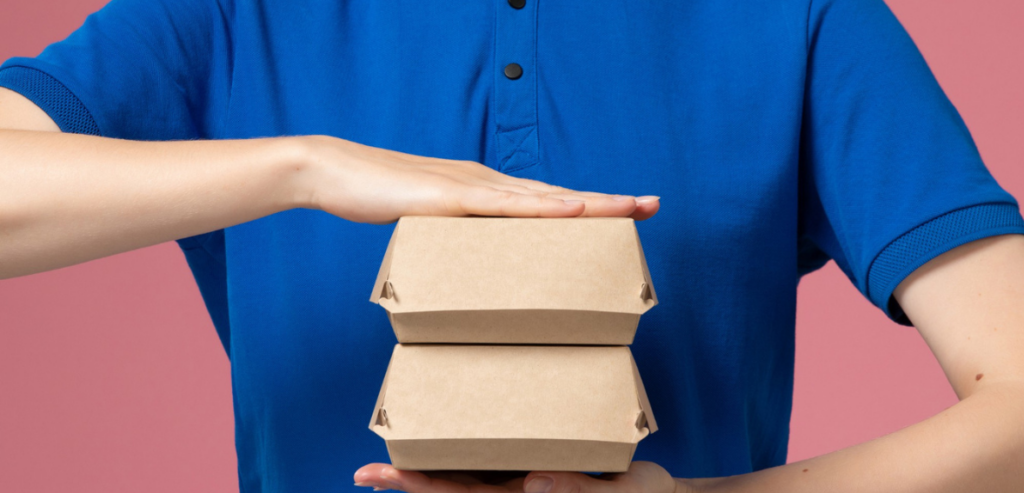
Using Tamper-Evident Packaging
Customers increasingly appreciate packaging that clearly indicates whether orders have remained sealed throughout delivery.
Tamper-evident stickers, security seals, or specially designed packaging provide reassurance that meals have not been opened after leaving the restaurant.
These solutions strengthen takeout food safety while improving customer confidence in delivery services.
Tamper-evident features also help restaurants address customer concerns more effectively if questions arise regarding order handling.
Simple security measures contribute significantly to overall delivery professionalism.
Trust begins with secure packaging.
Beverage Packaging Matters Too
Drinks require the same level of packaging attention as meals. Spilled beverages can damage entire orders while creating unpleasant customer experiences.
Restaurants should use tightly fitting lids, cup holders, sealed beverage carriers, and appropriate transport bags that minimize movement during delivery.
Cold beverages may also require insulation to maintain temperature without excessive condensation.
Proper leak proof packaging protects both drinks and accompanying food throughout transportation.
Secure beverage handling helps reduce waste and customer complaints.
Attention to beverage packaging improves complete order quality.
Branding Through Packaging
Packaging serves not only practical functions but also marketing opportunities. Customers often interact with packaging before tasting the food, making first impressions particularly important.
Clean design, consistent branding, thoughtful presentation, and clear labelling help reinforce restaurant identity.
Effective restaurant packaging ideas include branded stickers, printed containers, personalized thank-you messages, or simple instructions regarding reheating or storage.
Professional presentation creates memorable customer experiences while encouraging repeat business.
Packaging reflects the overall quality standards of the restaurant.
Strong branding extends beyond the food itself.
Sustainability and Customer Expectations
Environmental awareness continues influencing purchasing decisions across many industries, including food delivery.
Many customers appreciate restaurants using recyclable, compostable, or responsibly sourced packaging materials whenever practical.
Sustainability should balance environmental goals with food protection requirements. Packaging must still preserve freshness, prevent leaks, and support takeout food safety effectively.
Restaurants should evaluate environmentally friendly alternatives that maintain necessary performance standards.
Responsible packaging decisions benefit both businesses and environmentally conscious consumers.
Sustainability increasingly complements overall packaging quality.
Training Staff on Packaging Standards
Even the highest-quality packaging materials cannot compensate for inconsistent preparation procedures.
Kitchen staff should receive clear guidance regarding container selection, filling levels, sealing methods, labelling, and quality checks before orders leave the restaurant.
Following standardized food delivery packaging tips ensures consistency regardless of which employee prepares each order.
Regular training also helps identify packaging improvements as menus or delivery operations evolve.
Operational consistency contributes directly to customer satisfaction.
Packaging should become a routine part of food preparation rather than a final step.
Testing Packaging Before Full Implementation
Restaurants should evaluate packaging performance under realistic delivery conditions before introducing new containers across all operations.
Testing meals through simulated deliveries helps identify leaks, temperature loss, condensation, damaged presentation, or customer usability concerns.
Gathering employee and customer feedback also provides valuable insights regarding packaging effectiveness.
Successful hot food delivery packaging often results from practical testing rather than assumptions alone.
Continuous improvement helps restaurants adapt to changing delivery demands.
Thoughtful evaluation reduces future operational problems.
Preparing for Future Delivery Trends
Food delivery continues evolving alongside technology and changing customer expectations.
Restaurants may increasingly adopt smart packaging, improved insulation materials, compostable innovations, temperature indicators, and packaging designed specifically for longer delivery distances.
Future restaurant packaging ideas will likely combine sustainability, convenience, branding, and operational efficiency more effectively than ever before.
Businesses that remain adaptable will be better positioned to meet evolving customer expectations.
Innovation within packaging will continue supporting improvements across the food delivery industry.
Continuous adaptation encourages long-term success.
Conclusion
Packaging plays a far greater role in food delivery than simply carrying meals from restaurants to customers. It protects food quality, preserves temperature, prevents spills, supports hygiene, strengthens branding, and shapes overall customer satisfaction.
Following practical food delivery packaging tips helps restaurants maintain consistent quality throughout transportation. Choosing reliable leak proof packaging, investing in effective hot food delivery packaging, prioritizing takeout food safety, and exploring thoughtful restaurant packaging ideas all contribute to better delivery experiences.
As customer expectations continue rising, successful restaurants will increasingly view packaging as an important part of their overall service rather than a basic operational necessity. Meals that arrive fresh, secure, attractive, and ready to enjoy create stronger customer loyalty while reducing complaints and waste.
By carefully selecting packaging materials, training staff consistently, testing new solutions, and adapting to changing delivery trends, restaurants can protect both their food and their reputation. In today’s competitive delivery market, excellent packaging has become just as important as excellent cooking.