Delivery Radius, Timing, and Menu Decisions That Affect Restaurant Ratings
Online food delivery has completely changed the way people order meals. Customers can now browse hundreds of restaurants, compare reviews, check delivery times, and place an order within minutes. While this convenience has created new opportunities for restaurants, it has also increased customer expectations. People expect food to arrive quickly, remain fresh, and match the quality they would receive while dining in.
Restaurant ratings have become one of the most important factors influencing customer decisions. Before placing an order, many people look at star ratings, customer reviews, estimated delivery times, and menu variety. Even a small drop in ratings can reduce visibility on food delivery platforms and discourage new customers from ordering. Maintaining consistently positive reviews requires more than preparing excellent food. Every part of the delivery process contributes to the final customer experience.
Many restaurant owners focus heavily on recipes and food quality but overlook operational decisions that directly influence customer satisfaction. Delivery distance, preparation speed, menu design, and online ordering all play a significant role in shaping customer opinions. A thoughtful delivery radius strategy, reliable operations, and careful planning can help restaurants improve ratings while creating a more consistent customer experience.
Why Restaurant Ratings Matter More Than Ever
Restaurants’ ratings have an impact on practically all the stages of the client’s buying process. Highly rated restaurants usually get more attention on food delivery services, attract new customers, and have more client trust. In spite of higher prices, many people prefer to visit businesses with positive reviews because they have expectations for reliability.
Also, ratings play an important role in repeat purchases. Clients who always get hot food, correct orders, and timely deliveries are much more willing to place another order from the same restaurant. On the contrary, late delivery, missing or low-quality food leads to bad reviews which will be seen by clients in the future.
Currently, the digital world has become very competitive. It is very easy to make comparisons between several nearby restaurants. Each review is forming the image of the business on the Internet, therefore, good service is as important as good cooking.
Choosing the Right Delivery Area
Increasing the radius for delivering meals might appear to be an effective approach to boosting sales for restaurants; however, serving customers living too far away might create additional problems. For instance, food can easily become cold or fresh drinks go bad because of long travel time or get damaged while being transported. These issues can cause customers to give negative feedback about the product despite the fact that it was made properly.
An optimal delivery radius allows combining customer service with the effectiveness of the process. Travel time is a crucial factor that needs to be considered rather than the physical distance between two locations. Many factors such as traffic situation, road infrastructure, weather conditions, and the availability of delivery partners play a great role.
Many popular restaurants deliberately decrease the service area in order to maintain the high level of service provided. Even though it makes restaurants serve less customers overall, it positively affects the feedback, customer loyalty and increases profits.
How Delivery Distance Affects Food Quality
Transportation affects different types of food in different ways. Some foods stay fresh for thirty or forty minutes, while some foods will begin to lose their texture or temperature within a matter of minutes once cooked. Crisp foods become soft, frozen foods become warm, and delicately arranged foods may change position during transit.
With knowledge about these factors, restaurants can make informed decisions. Instead of considering all dishes equally suitable for delivery service, they can determine how each type of food behaves through the process of delivery. This enables more efficient menu planning and prevents customer dissatisfaction.
By creating an efficient delivery radius strategy, restaurants can ensure that the food being delivered is still up to the required standard. Customers don’t tend to differentiate between food quality and delivery performance. Once the food is not up to the required quality, the blame is often put on the restaurant rather than elsewhere.
Restaurant Delivery Timing Directly Influences Customer Satisfaction
Speed has become one of the most important factors in online food delivery. Customers appreciate accurate delivery estimates and become frustrated when orders arrive significantly later than expected. While occasional delays are understandable, repeated lateness often leads to negative reviews.
Managing restaurant delivery timing begins inside the kitchen. Efficient preparation processes, organised staff workflows, and realistic order management help ensure meals are ready when delivery drivers arrive. Coordination between kitchen operations and delivery logistics is essential for maintaining reliable service.
Restaurants should also avoid accepting more orders than they can comfortably prepare during peak periods. Slightly extending estimated preparation times is often preferable to repeatedly missing promised delivery windows. Customers generally appreciate honest communication more than unrealistic promises followed by delays.
Peak Hours Require Smarter Planning
Lunch and dinner time pose unique challenges. Many orders tend to come in within short periods, putting strain on the kitchen personnel, delivery personnel, and customer services. Without adequate planning, preparation will take long, delays will be experienced during delivery, and customer service will suffer.
Restaurants may limit the above problems by forecasting. Looking at previous sales data helps in planning the staff members to hire and ingredient preparations before the rush hours commence. Preparation during low periods enables the staff to concentrate on cooking and order preparations during rush hours.
Restaurant delivery timings depend on the ability of a business to balance between orders and available resources. Businesses that effectively manage their peak hour operations have higher chances of maintaining good customer service regardless of order numbers.
Designing an Optimized Delivery Menu
Not all popular dine-in menu items are suitable for delivery. There is always the possibility that some foods spoil quickly, need immediate consumption, or cannot be easily packed. Delivery services that work tend to have menus tailor-made for delivery and not just all the menu items in a restaurant.
An effective delivery menu should contain foods that retain their quality during transit. Restaurants can alter recipes, change packaging methods, or exclude foods that are frequently complained about in the process of delivery.
A less complex menu also works in the favor of kitchen processes. Foods that are less likely to go wrong can save time in the kitchen as orders can be prepared more effectively.
Packaging Plays a Bigger Role Than Many Realise
Even perfectly prepared food can disappoint customers if packaging fails during delivery. Spilled sauces, crushed containers, leaking beverages, or poorly insulated packaging immediately affect customer perceptions of quality and professionalism.
Restaurants increasingly invest in packaging that preserves temperature, prevents movement, and protects food presentation throughout transportation. Separate containers for sauces, ventilation for fried foods, and secure beverage holders all contribute to better customer experiences.
Packaging decisions should complement an optimized delivery menu. Meals designed specifically for delivery should also be packaged in ways that preserve freshness until they reach the customer. Good packaging protects both the food and the restaurant’s reputation.
The Online Ordering Experience Shapes Customer Expectations
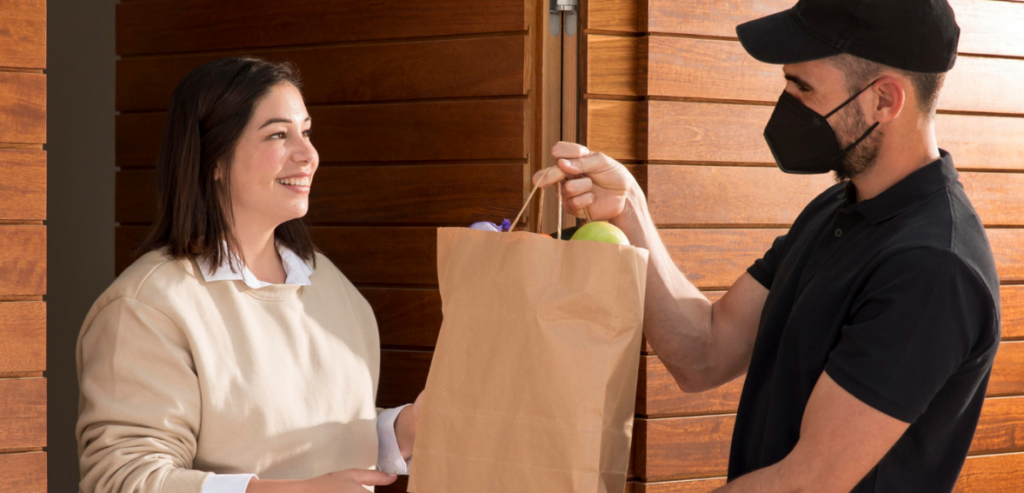
Customer satisfaction begins long before food preparation starts. Easy navigation, accurate menus, clear pricing, detailed descriptions, and straightforward checkout processes all influence whether customers enjoy ordering from a restaurant. Confusing online systems may discourage customers before they even complete their purchase.
An effective online ordering experience provides accurate menu information, clear photographs where appropriate, allergen details, estimated preparation times, and simple payment options. Customers appreciate transparency because it helps them make informed decisions without unnecessary confusion.
Order confirmation also contributes to confidence. Automated updates showing preparation progress, driver assignment, and estimated arrival times reduce uncertainty while improving communication. A positive online ordering experience creates trust before the meal even leaves the restaurant.
Managing Customer Expectations Through Communication
Unexpected situations occasionally affect every restaurant. Traffic, weather, equipment issues, or sudden increases in order volume can create unavoidable delays. While these situations cannot always be prevented, effective communication often reduces customer frustration.
Customers generally respond more positively when they receive timely updates explaining delays. Informing customers early allows them to adjust expectations rather than wondering why their order has not arrived. Transparency demonstrates professionalism while strengthening customer relationships.
Communication also extends to menu availability. Restaurants should update online menus promptly when items sell out rather than accepting orders they cannot fulfil. Honest communication supports a stronger online ordering experience and helps maintain positive customer reviews.
Balancing Variety Without Overcomplicating Operations
Large menus may initially appear attractive because they offer customers more choices. However, extensive menus often create operational challenges that affect consistency. More ingredients, additional preparation methods, and increased kitchen complexity can lead to slower service and greater opportunities for mistakes.
Many successful delivery-focused restaurants simplify their offerings while maintaining variety through carefully selected dishes. A focused menu allows staff to specialise, improves ingredient management, and supports more consistent preparation standards.
An optimized delivery menu does not necessarily mean offering fewer options overall. Instead, it means selecting dishes that consistently deliver excellent customer experiences while remaining operationally practical during busy service periods.
Reviews Reflect the Entire Customer Journey
Customers rarely evaluate only the food itself when leaving reviews. Their ratings often reflect the complete experience, including ordering, payment, delivery communication, packaging, arrival time, food presentation, and customer service interactions.
A delicious meal delivered ninety minutes late may still receive a poor review. Similarly, average food delivered quickly, accurately, and professionally sometimes receives surprisingly positive ratings because the overall experience met customer expectations.
Maintaining excellent food delivery ratings requires restaurants to understand that every operational decision influences customer perceptions. Improving only one part of the process while neglecting others rarely produces consistent long-term results.
Using Data to Improve Delivery Performance
Modern ordering platforms provide valuable information that helps restaurants identify operational strengths and weaknesses. Order preparation times, delivery durations, customer feedback, repeat purchase behaviour, and popular menu items all provide useful insights for continuous improvement.
Managers can analyse delivery performance across different neighbourhoods, identify recurring delays, and evaluate whether certain menu items consistently receive lower customer satisfaction scores. This information supports better operational planning while reducing repeated problems.
Data analysis also helps refine a delivery radius strategy over time. Restaurants may discover that reducing coverage slightly improves customer satisfaction enough to increase repeat business and overall profitability. Small operational adjustments based on reliable information often produce significant long-term benefits.

Staff Training Supports Better Customer Experiences
Technology and operational systems are important, but well-trained staff remain essential to successful food delivery. Kitchen employees, order packers, front-of-house staff, and delivery coordinators all contribute to the customer experience.
Training should emphasise order accuracy, efficient preparation, packaging standards, communication, and quality control. Staff who understand how their individual responsibilities affect customer reviews are more likely to maintain consistent performance throughout busy shifts.
Improving restaurant delivery timing often depends as much on teamwork as on technology. Clear communication between departments helps reduce delays while ensuring every order leaves the restaurant correctly prepared and properly packaged.
Adapting to Changing Customer Expectations
Customer preferences continue evolving as food delivery becomes increasingly common. Many customers now expect real-time order tracking, multiple payment options, environmentally responsible packaging, customised orders, and reliable delivery estimates as standard features rather than premium services.
Restaurants that regularly review customer feedback can adapt more effectively to these changing expectations. Updating menus, improving packaging, adjusting delivery zones, and refining operational processes demonstrate responsiveness while strengthening customer loyalty.
Continuous improvement is particularly important for maintaining strong food delivery ratings. Restaurants that actively respond to customer feedback often outperform competitors that rely solely on food quality without improving operational performance.
Building Long-Term Success Through Smarter Delivery Decisions
The future of food delivery will depend on more than preparing excellent meals. Customers increasingly judge restaurants based on convenience, consistency, communication, speed, and reliability alongside food quality. Every operational decision contributes to the overall customer experience.
Choosing an appropriate delivery radius strategy, maintaining reliable restaurant delivery timing, developing an optimized delivery menu, creating a smooth online ordering experience, and consistently protecting food delivery ratings all work together to strengthen a restaurant’s reputation. These elements are interconnected, and improving one area often supports improvements across the entire operation.
Restaurants that carefully evaluate their delivery processes, listen to customer feedback, and continue refining their operations will be better positioned for long-term success. As online ordering continues growing, businesses that prioritise both food quality and operational excellence will remain competitive while building lasting customer trust and stronger restaurant ratings.