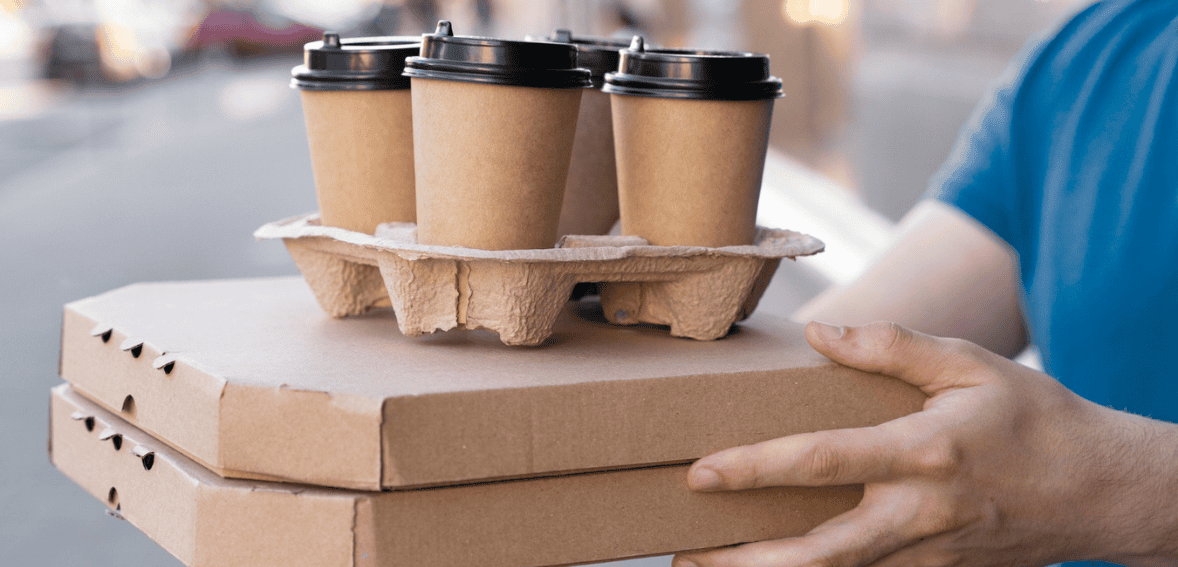
Takeout Packaging: Why Packaging Has Become a Critical Part of the Takeout Experience
The way people order and consume food has changed dramatically over the past few years. Dining habits that once centered around eating inside restaurants have shifted toward takeout, delivery, curbside pickup, and app-based ordering. Today, millions of customers regularly enjoy meals at home, at work, during travel, or even while commuting. As this shift continues, restaurants are realizing that the customer experience no longer begins and ends at the dining table. Instead, the experience now extends far beyond the restaurant walls, and packaging has become one of the most important parts of that journey.
When customers order food for delivery or takeout, packaging becomes the first physical interaction they have with the meal. Before tasting the food, customers notice the condition of the container, the presentation, the temperature, the freshness, and how well everything has been packed. A leaking container, soggy fries, spilled sauce, or crushed dessert can instantly damage the overall impression of a restaurant, even if the food itself tastes excellent. This is why takeout packaging has evolved from a simple operational necessity into a major factor influencing customer satisfaction, repeat business, and restaurant reputation.
Restaurants today are competing not only on flavor and pricing but also on convenience, presentation, sustainability, and reliability. Customers expect meals to arrive fresh, secure, organized, and visually appealing. This growing expectation has pushed restaurants to invest heavily in smarter food delivery packaging that protects food quality while improving the overall customer experience. Packaging is no longer treated as an afterthought. It has become a direct extension of the restaurant brand itself.
The Rise of Delivery Culture and Changing Consumer Habits
The rapid growth of food delivery apps and online ordering platforms has completely transformed the restaurant industry. Customers can now order meals from hundreds of restaurants within minutes using smartphones and delivery apps. This convenience has permanently changed how people think about dining. Busy work schedules, remote jobs, family routines, and digital lifestyles have all contributed to the increasing popularity of takeout and home delivery.
As food delivery becomes more common, restaurants must ensure that meals travel well from kitchen to customer. A dish served fresh inside a restaurant may not always maintain the same quality after spending thirty or forty minutes in transit. Heat, moisture, movement, and transportation conditions can affect texture, taste, and presentation significantly. Because of this, takeout packaging now plays a much larger role in preserving the intended dining experience.
Consumers also have much higher expectations today compared to the early days of food delivery. Customers do not simply want food delivered quickly. They want meals to arrive in excellent condition, with organized packaging, clean presentation, secure sealing, and proper temperature retention. Restaurants that fail to meet these expectations often receive poor reviews even if the food preparation itself is strong.
Social media has amplified this trend further. Customers frequently post pictures and videos of delivered meals online, sharing both positive and negative experiences. Attractive restaurant packaging solutions can therefore contribute directly to online visibility and customer perception. Packaging has become part of the visual identity of modern food businesses.
Packaging as Part of the Overall Customer Experience
When customers dine inside a restaurant, they experience ambiance, lighting, table settings, music, and service quality. In takeout and delivery situations, most of those physical elements disappear. Packaging therefore becomes one of the few tangible elements customers directly associate with the restaurant experience.
Well-designed packaging will create a feeling of professionalism and care. Such small details as strong packaging containers, tightly closed lids, good organization of the compartments, tampering indicators, branding of packaging, and appropriate packaging presentation play an important role in creating that impression. That shows the commitment of the restaurant to the quality of their food and its delivery.
Poor packaging, on the contrary, will cause disappointment at first sight. Cold, jumbled, leaky or crushed food will negatively influence customers’ perception of the meal itself. The quality of even the best dish may be ruined by low-quality packaging, which leads to the conclusion that packaging quality becomes an integral part of delivering food quality.
Customer convenience will be determined not only by packaging quality but also by some features of packaging design. Convenient packaging, which allows for easy opening of containers, their microwave-safe properties, and portions’ proper separation and protection against spills will make meals easier to serve, eat, and store.
Finally, the emotional effect should not be neglected when discussing food packaging. Unboxing of properly packaged meals can become an exciting moment like the process of unboxing gifts or luxury goods.
Protecting Food Quality During Delivery
One of the biggest challenges in food delivery is maintaining food quality between the kitchen and the customer’s location. Different foods react differently during transport. Fried foods may become soggy, cold drinks may leak, soups may spill, and hot meals may lose temperature rapidly if packaging is not designed properly.
Modern packaging techniques for food delivery have been specifically designed to handle most of these issues. For example, ventilation is built into most packaging designs to avoid condensation within the containers and keep fried foods crispy. Thermal insulation in some packaging options also helps to ensure that hot foods retain their temperature.
Different menu items also require different packaging options. The packaging for a pizza is different from that of a soup and that of sushi. The choice of the wrong type of packaging could impact the taste, texture, and appearance of the foods before they ever arrive at the destination.
The packaging used in food delivery is also vital since the quality of the delivered food is always compared to that in restaurants. If the same foods get delivered poorly all the time, consumers will eventually discontinue purchasing the same food. Restaurants thus need food delivery packaging that suits individual foods. Timing is also essential. Delivery delays can occur due to heavy traffic or deliveries to multiple destinations. In such scenarios, proper packaging will help to minimize quality loss.
Why Leak Prevention and Durability Matter
One of the most common complaints in food delivery involves leaks and spills. A single container failure can damage an entire order, soaking paper bags, ruining other food items, and creating frustration for customers. This issue becomes even more serious with soups, curries, sauces, beverages, and oily foods.
Durable restaurant packaging solutions are therefore essential for businesses handling high delivery volumes. Containers must withstand movement, stacking pressure, and varying transportation conditions without collapsing or opening unexpectedly. Secure lids and reinforced materials help reduce the risk of spills during delivery.
Leak prevention is also important for hygiene and food safety. Customers expect meals to arrive clean and untouched. Packaging that allows sauces or liquids to escape can create concerns about cleanliness and professionalism.
The delivery process itself is often unpredictable. Drivers may carry multiple orders simultaneously, place bags on vehicle seats, or travel across uneven roads. Packaging must therefore remain stable even under difficult transportation conditions. Restaurants that prioritize durability often experience fewer refund requests and customer complaints related to damaged orders.
Durable packaging also protects brand reputation. Customers tend to associate packaging failures directly with restaurant quality, even if the actual problem occurred during transportation. Strong packaging reduces these risks while improving overall customer confidence.
Branding Opportunities Through Packaging
Packaging has also become an important marketing and branding tool for restaurants. In traditional dine-in settings, restaurants rely on interior design, menus, staff uniforms, and signage to create brand identity. In delivery environments, packaging often becomes the most visible representation of the business.
Custom packaging, incorporating brand logos, branding colors, printed message, and sticker branding, enables restaurants to improve their recognition visually. Brand recognition is enhanced when customers receive branded take-out orders, which will help them identify the restaurant in the future, whether through app search or from others.
Branding through packaging becomes more effective today due to the rise in social media sharing. Attractive packaging usually gets shared in customers’ photos and videos on various social media platforms, offering a free marketing channel for the restaurant. Visual appeal is important in building a perception of sophistication in a restaurant.
Packaging is an essential aspect of branding that enables consistency across different experiences of the restaurant by customers. No matter where or how customers get their orders, branded packaging is important for creating consistency, which is becoming increasingly crucial as restaurants compete within crowded delivery marketplaces. Some small yet effective ways of branding include sending thank you cards, using customized seals and labels, and organizing the packaging neatly.
Sustainability Is Becoming a Major Priority
Environmental concerns have significantly influenced packaging decisions in recent years. Customers are becoming increasingly aware of waste generated by takeout and delivery services, particularly single-use plastics and non-recyclable materials. As a result, sustainable food packaging has become a growing priority for both restaurants and consumers.
Many customers now actively prefer businesses that use recyclable, compostable, or biodegradable packaging materials. Restaurants adopting environmentally responsible practices often strengthen customer trust while improving public perception of their brand.
Governments and local municipalities are also introducing regulations limiting certain types of plastic packaging. Restaurants that transition toward sustainable food packaging may therefore be better prepared for future policy changes and industry standards.
Sustainable materials have improved significantly in quality and functionality. Earlier eco-friendly packaging options sometimes struggled with heat retention, leak resistance, or durability. Today, many environmentally friendly containers perform much more effectively while supporting food safety and presentation.
However, sustainability also creates challenges for restaurants. Eco-friendly packaging can sometimes cost more than traditional materials, placing financial pressure on businesses already managing tight margins. Restaurants must balance environmental responsibility with operational costs and practical performance needs.
Consumers increasingly understand this balance and often appreciate visible sustainability efforts even if they involve slight price increases. Packaging decisions now influence how customers evaluate restaurant values and social responsibility.
The Role of Packaging in Food Safety
Food safety has become a much larger focus in takeout and delivery operations, especially after global health concerns in recent years increased public awareness around hygiene and handling standards. Customers now expect meals to arrive securely sealed and protected from contamination during transit.
Tamper-evident packaging has grown more popular in recent times in the world of food delivery packaging. Sealed bags, stickers, locks, and seals ensure that customers know that their food is untouched during the delivery process. This improves customer satisfaction levels while minimizing health and safety concerns.
Correct packaging also makes it easier to avoid cross-contamination of food items. Proper packaging ensures that allergens, sauces, and other foodstuffs do not accidentally come into contact with one another. This is particularly useful when dealing with individuals who have food sensitivities.
Maintaining the proper temperature of food items is yet another aspect of food safety through packaging. There are some foods that need to be kept at certain temperatures to prevent bacteria from forming. Proper packaging that is designed to insulate food items can help to maintain these safe temperatures. Restaurants that pay attention to food safety through packaging prove themselves to be professional in this respect.
Convenience and Functionality for Modern Customers
Modern customers value convenience just as much as food quality. Packaging that is difficult to open, messy to handle, or impractical to store can negatively affect the dining experience even if the meal itself is good.
Easy-to-carry packaging with sturdy handles or balanced weight distribution improves convenience during transport. Containers that stack neatly or fit comfortably on tables also make meals easier to manage at home or work.
Microwave-safe packaging has become especially valuable because many customers reheat portions later. Restaurants that provide reusable or reheatable containers add practical value to the customer experience.
Functional packaging also supports different dining situations. Office workers may need containers that fit easily on desks, while families may prefer larger containers for sharing meals. Restaurants increasingly customize packaging based on customer behavior and order types. Takeout packaging is therefore not simply about transporting food anymore. It is about supporting the full customer experience from ordering to eating to cleanup.
How Packaging Affects Restaurant Operations
Packaging decisions influence restaurant operations internally as well. Efficient packaging systems help staff prepare delivery orders faster and more accurately during busy periods. Containers that stack properly, close securely, and organize easily improve kitchen workflow significantly.
Badly packaged foods can delay order assembly through causing confusion, spilling, or even repackaging. The restaurant delivering huge volumes of goods daily should be in a position to choose packaging solutions that are fast and consistent but do not ignore the aspect of safety.
The issue of storage space cannot be overlooked as an operational factor when making decisions about packaging for restaurants. It is common for restaurants to package their foods using different sizes of containers; therefore, storage becomes a factor. Packaging is one of the cost components that a restaurant must pay attention to in its packaging solution selection process. Good packaging does not come cheap since quality materials must be used. Restaurants now regard packaging as an investment that guarantees good performance in the long run.
The Future of Packaging in the Food Industry
The future of food delivery and takeout will likely place even greater emphasis on packaging innovation. As delivery services continue growing globally, restaurants and packaging manufacturers are investing heavily in smarter materials, improved insulation, sustainable alternatives, and technology integration. Packaging may increasingly include features such as QR codes, freshness indicators, reusable systems, or temperature-monitoring technology. Some companies are already experimenting with edible packaging materials and advanced biodegradable solutions that reduce environmental impact further.
Customer expectations will likely continue rising as competition within food delivery markets increases. Restaurants that fail to invest in quality food delivery packaging may struggle to maintain customer satisfaction compared to competitors offering more polished experiences. Automation and AI may also influence packaging processes in large restaurant chains and cloud kitchens. Faster packaging assembly, customized container selection, and improved logistics coordination could become more common in the coming years.
Sustainability will almost certainly remain a central focus as governments, consumers, and businesses continue prioritizing environmental responsibility. Restaurants that adapt early to sustainable food packaging trends may gain stronger long-term customer loyalty and operational advantages.
Conclusion
Packaging has evolved from a basic operational requirement into one of the most important parts of the modern takeout and delivery experience. As customer dining habits continue shifting toward delivery and convenience-based ordering, restaurants now rely heavily on packaging to protect food quality, maintain brand reputation, support food safety, and create positive customer experiences.
Effective takeout packaging helps preserve freshness, prevent leaks, maintain temperatures, and improve presentation throughout the delivery process. At the same time, strong restaurant packaging solutions contribute to smoother operations, stronger branding, and higher customer satisfaction.
The connection between packaging and delivery food quality is now impossible for restaurants to ignore. Customers judge meals not only by taste but also by how food arrives, how easy it is to handle, and how professionally it is presented. Packaging has therefore become a direct reflection of restaurant standards and customer care. Sustainability is also reshaping industry expectations. Businesses investing in sustainable food packaging are responding to growing environmental awareness while preparing for future consumer and regulatory demands.
As delivery culture continues growing, packaging will remain a critical competitive advantage for restaurants seeking long-term success. In today’s food industry, packaging is no longer just about carrying food from one place to another. It has become an essential part of the entire dining experience itself.