Self-Service Restaurant Kiosks: Cutting Wait Times and Labor Costs
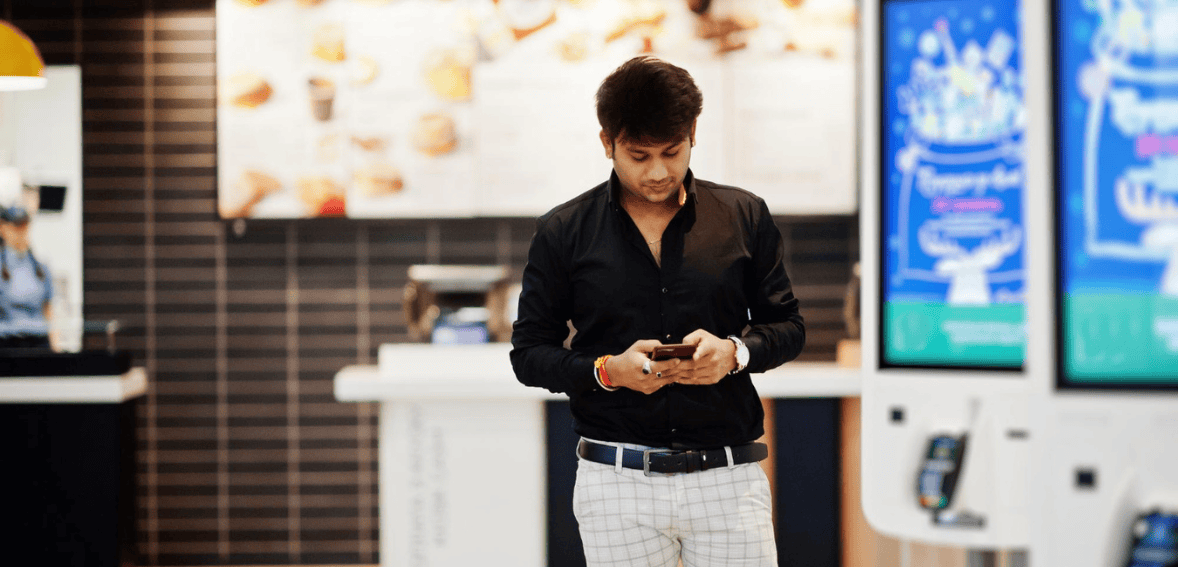
Restaurants all over the world are under pressure to serve customers faster while costs are going up. Staff shortages, the ever-increasing demands of customers, and the need for convenience have forced many establishments to reconsider the way in which orders are made and handled. Digital ordering devices, in this case, have become a staple in quick-service eateries and even proper sit-down restaurants. On top of that, ordering restaurant kiosks have become a very visible piece of technology that is changing how people order food.
By introducing self-ordering terminals to their premises, restaurants give their customers an opportunity to look through the menu, tailor their orders, and even pay without queuing up at a desk or counter like in a traditional setting. This kind of setup is a self-service ordering system, to be precise. Rather than utilizing the whole staff for handling every single order, establishments can facilitate guests’ orders through digital kiosks that are linked to both the kitchen and the payment system.
Restaurateurs have leveraged kiosk technology not only to help streamline operations but also to simultaneously enhance the customer experience. With food service automation expanding, self-ordering kiosks are integrated into the layout of modern eateries. If you understand how such devices operate and the reasons why restaurants buy them, it will be easier for you, if you are a restaurant owner, to decide if this piece of equipment meets your business requirements and goals.
The Growing Role of Automation in Food Service
The restaurant industry has always evolved alongside technological changes. In earlier decades improvements such as digital point of sale systems and online ordering platforms reshaped how restaurants manage orders and payments. Today the next stage of innovation is focused on automation in food service, particularly in customer facing environments.
Restaurant kiosks represent one of the most practical forms of automation currently available. Instead of replacing staff entirely, these systems help restaurants manage high volumes of orders more efficiently. Customers interact with the kiosk interface to select menu items, customize ingredients, and submit orders directly to the kitchen system.
Kiosk technology restaurants adopt is typically connected to the same point of sale system used by staff. This integration allows orders placed at kiosks to appear instantly on kitchen displays, ensuring that food preparation begins immediately. The result is a smoother operational flow between the customer area and the kitchen.
Automation in food service also helps restaurants maintain consistent ordering experiences. Digital menus present options clearly, reducing misunderstandings between customers and staff. When customers select items themselves using a self-service ordering system, the chance of order errors decreases significantly.
As customer expectations for speed and convenience increase, many restaurant operators see automation as a way to maintain quality service without expanding staffing levels.
How Self-Service Ordering Systems Work
A self-service ordering system typically consists of touchscreen kiosks placed near the entrance or ordering counter of a restaurant. These kiosks display the full menu with images, descriptions, and pricing. Customers browse items by tapping the screen and can customize orders by selecting different ingredients, sizes, or add ons.
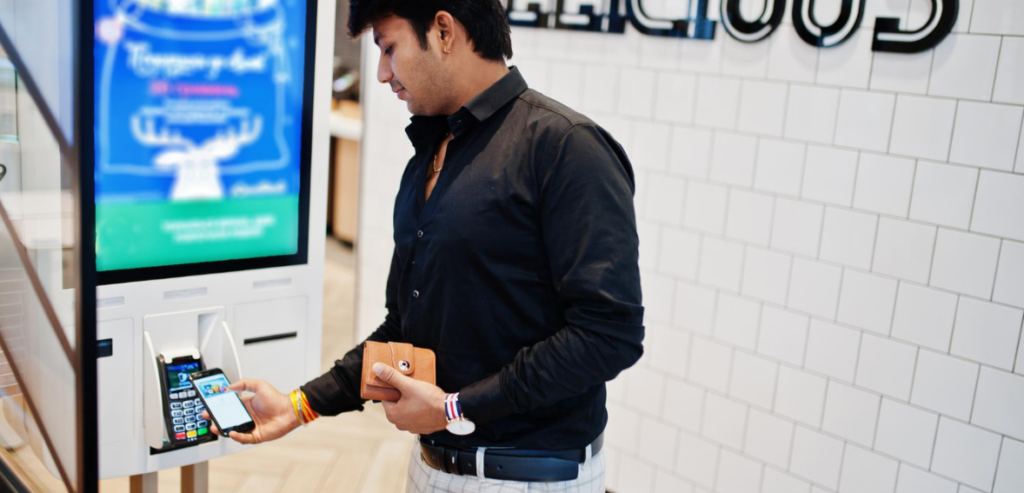
Once the customer has finalized the order, they pay directly at the kiosk. The majority of restaurant kiosks support credit cards, mobile wallets, and, in some cases, cash depending on the hardware setup. The order is automatically conveyed to the kitchen via the point-of-sale system once the payment has been verified. Restaurants using kiosk technology often have ordering systems with interactive features that help customers place orders step by step. The interface might suggest extra items, meal enhancements, or promotional products. Such an interface also allows customers to complete their orders without the need for staff intervention.
With food service automation, the value is best realized at peak times when queues at traditional counters may cause delays. By permitting several customers to place their orders simultaneously from different kiosks, restaurants are able to handle more transactions within the same time period. The self-service ordering system interfaces are generally built with the principles of user-friendliness and simplicity in mind. The use of clearly defined menu categories, visually appealing large pictures, and straightforward navigation caters in a comfortable manner to customers of different ages and skill levels in technology.
Reducing Wait Times for Customers
One of the most immediate benefits of restaurant kiosks is the reduction of wait times. Traditional ordering systems require customers to stand in line until a cashier becomes available. During peak hours this process can create long queues that discourage potential customers from entering the restaurant.
Self-service ordering system technology helps solve this problem by distributing the ordering workload across multiple kiosks. Instead of one cashier serving one customer at a time, several customers can place orders simultaneously through separate screens.
Kiosk technology restaurants deploy can also reduce the time spent reviewing menu options. Customers browsing digital menus often take less time than they would while speaking with a cashier because the interface presents options clearly and visually.
Automation in food service also speeds up communication between the ordering area and the kitchen. Orders placed through kiosks are transmitted instantly to kitchen display systems, eliminating delays that sometimes occur when staff manually enter orders.
By reducing waiting times, restaurants improve the overall customer experience. Guests who receive faster service are more likely to return in the future and recommend the restaurant to others.
Lowering Labor Costs Through Smart Technology
For most restaurants, labor costs are the biggest item on their expenses list. The process of hiring, training, and scheduling employees consumes a lot of resources. Although employees play a vital role in food preparation and serving customers, the use of automation tools can lessen the dependency on some front-of-house roles. Restaurant kiosks enable establishments to handle customer orders without the need of having a cashier for each transaction. Those staff members who used to deal with taking orders can be redirected towards food preparation, quality control, or customer assistance.
Using a self-ordering technology system doesn’t mean getting rid of jobs completely. On the contrary, it is a way to redeploy human work in areas that are more directly linked to improving the customer experience. For example, employees can interact with customers, keep dining areas clean, or double-check the accuracy of orders. Moreover, the kiosk technology restaurants implement assists in minimizing errors that staff have to fix.
When customers input their orders themselves, the chance of misunderstanding is reduced, which means less time is spent in rectifying errors. Hence, automation in food service gives eateries the option to keep up the quality of their service while, at the same time, bringing labor costs under control. Especially for establishments that are struggling with shortage of staff or high wage bills, kiosks represent a “how to work” solution that increases efficiency.
Improving Order Accuracy and Customization
Accuracy is one of the most important aspects of restaurant service. Incorrect orders lead to dissatisfied customers, wasted ingredients, and operational delays. Restaurant kiosks improve accuracy by allowing customers to review and confirm their selections before submitting the order.
A self-service ordering system provides clear visual confirmation of each menu item selected. Customers can verify ingredients, portion sizes, and add ons directly on the screen. This process reduces misunderstandings that sometimes occur during verbal communication with staff.
Kiosk technology restaurants use also allows greater flexibility in menu customization. Customers can easily modify orders by removing ingredients, selecting extra toppings, or choosing alternative sides. These adjustments appear instantly on the order summary.
Automation in food service ensures that customized orders reach the kitchen exactly as entered. Kitchen display systems receive precise instructions, allowing staff to prepare meals according to the customer’s specifications.
Higher order accuracy benefits both customers and restaurants. Guests receive the meals they expect, while restaurants reduce food waste and operational disruptions caused by order corrections.
Increasing Average Order Value
Digital ordering interfaces are designed not only for convenience but also for effective menu presentation. Restaurant kiosks can display high quality images, highlight popular items, and recommend complementary products during the ordering process.
A self-service ordering system often includes automated prompts that suggest additional items. For example a customer ordering a sandwich may see suggestions for drinks, desserts, or upgraded meal combinations. These recommendations appear naturally within the ordering flow.
Kiosk technology restaurants deploy allows these suggestions to be presented consistently to every customer. Unlike staff members who may forget to recommend add ons during busy periods, kiosks display prompts automatically.
Automation in food service therefore creates opportunities to increase average order value. When customers are presented with appealing visual options and convenient upgrade choices, they are more likely to add additional items to their orders.
Over time this increase in order value can significantly improve restaurant revenue without increasing the number of customers served.
Enhancing the Customer Experience
Customer expectations have evolved alongside digital technology. Many people are comfortable using touchscreens for tasks such as banking, travel bookings, and retail purchases. Restaurant kiosks align with these expectations by offering a familiar digital interaction.
A self-service ordering system provides customers with greater control over the ordering process. Instead of feeling rushed by long lines or busy staff members, customers can explore menu options at their own pace.
Kiosk technology restaurants use also improves accessibility for customers who may prefer visual communication. Multilingual menu options and clear images help guests understand available choices without confusion.
Automation in food service contributes to a more modern restaurant environment. Digital kiosks signal that a restaurant embraces innovation and convenience, which can appeal particularly to younger customers who expect technology driven experiences.
By improving both speed and convenience, self service kiosks create a smoother overall dining experience.
Integrating Kiosks With Restaurant Systems
Successful kiosk implementation requires integration with existing restaurant technology. Restaurant kiosks typically connect to point of sale systems, kitchen display systems, and payment processors to ensure smooth operation.
A self-service ordering system must communicate with the kitchen so that orders appear immediately after payment. This connection allows kitchen staff to begin preparing meals without delay.
Kiosk technology restaurants also integrate with inventory management systems. When certain menu items become unavailable, the system can update kiosk menus automatically to prevent customers from ordering out of stock products.
Automation in food service therefore depends on reliable system integration. Restaurants must ensure that kiosks communicate effectively with other operational tools to maintain accuracy and efficiency.
When implemented correctly, kiosks become part of a broader digital ecosystem that supports restaurant operations from ordering to food preparation and payment processing.
Challenges and Considerations for Implementation
Although restaurant kiosks offer many advantages, implementing them requires careful planning. Restaurants must evaluate factors such as available space, customer traffic patterns, and technology infrastructure before installing kiosks.
A self-service ordering system also requires thoughtful interface design. Menus should be organized clearly so that customers can navigate the system without confusion. Poorly designed interfaces may frustrate users and reduce the effectiveness of the technology.
Kiosk technology restaurants use must also be maintained regularly. Touchscreens require cleaning, and hardware components must remain functional to ensure consistent operation.
Automation in food service does not eliminate the need for human interaction entirely. Some customers may still prefer speaking with staff members when placing orders. Restaurants should therefore maintain a balanced service approach that accommodates different preferences.
By addressing these considerations carefully, restaurants can implement kiosk systems that enhance service rather than complicate operations.
The Future of Self-Service Technology in Restaurants
As digital technology continues to evolve, restaurant kiosks are likely to become more advanced and widely adopted. Future systems may incorporate artificial intelligence, personalized recommendations, and loyalty program integration.
Self-service ordering system interfaces may also integrate with mobile applications, allowing customers to begin orders on their phones and complete them at kiosks inside the restaurant. This approach combines convenience with efficient in store processing.
Kiosk technology restaurants adopt today represents only the early stage of broader automation in food service. As hardware becomes more affordable and software capabilities expand, even smaller restaurants may implement digital ordering tools.
Automation in food service will likely continue to focus on improving efficiency while maintaining high quality dining experiences. Self service kiosks demonstrate how technology can support both operational goals and customer satisfaction.
Conclusion
Restaurant kiosks are transforming how customers interact with restaurants. By enabling guests to place orders independently, these systems reduce waiting times and streamline the ordering process. A self-service ordering system allows multiple customers to place orders simultaneously, helping restaurants manage busy periods more efficiently. Kiosk technology restaurants also contribute to operational improvements such as increased order accuracy, higher average order value, and better use of staff resources. Through automation in food service, restaurants can reduce labor costs while maintaining high service standards.
Although implementing kiosks requires planning and integration with existing systems, the benefits can be significant. Faster service, improved customer experiences, and enhanced operational efficiency make self service kiosks an attractive option for many restaurants. As digital technology continues to evolve, restaurant kiosks will likely play an increasingly important role in shaping the future of the dining experience. Restaurants that adopt these tools thoughtfully can position themselves to meet modern customer expectations while operating more efficiently.