QR Ordering System: Convenience, Efficiency, and Customer Expectations
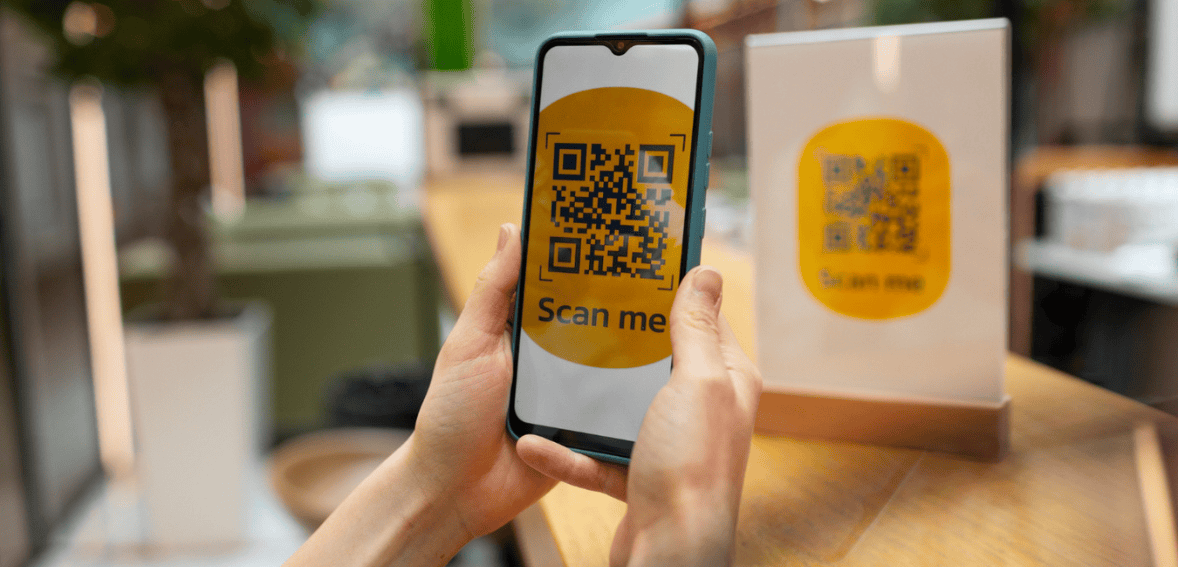
Restaurants have always adapted to changing customer behavior and technology trends. In recent years, digital solutions have transformed the way people browse menus, place orders, and interact with restaurant staff. One of the most widely adopted innovations is the QR ordering system, which allows diners to scan a code at their table and access menus or place orders directly from their smartphones. What began as a safety measure during the pandemic has now evolved into a permanent feature of many dining environments.
Today, diners expect speed, flexibility, and convenience when they visit restaurants. Technologies such as contactless menu ordering and mobile ordering restaurants platforms help meet these expectations by allowing guests to control their ordering experience. At the same time, restaurants benefit from improved operational efficiency and streamlined service. As self-service dining tech continues to evolve, QR ordering systems are becoming a key part of modern restaurant operations and customer engagement strategies.
The Rise of QR Code Ordering in Restaurants
The adoption of QR ordering system technology has grown rapidly across the restaurant industry. Initially introduced as a way to reduce physical contact with menus and payment devices, QR codes quickly demonstrated broader advantages beyond safety. Restaurants realized that digital menus and mobile ordering restaurants tools could simplify ordering processes and reduce pressure on waitstaff during busy hours.
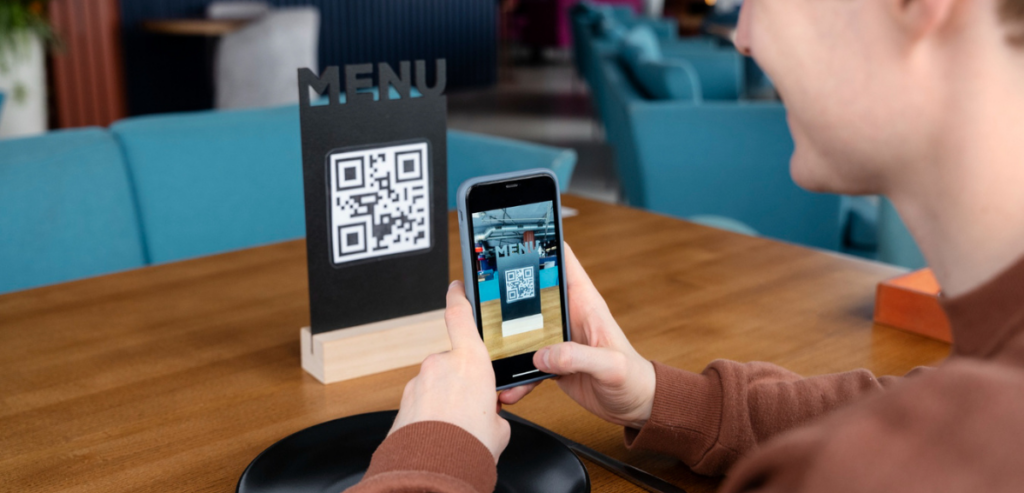
With a QR ordering system, customers simply scan a code placed on their table, receipt, or countertop. The scan opens a digital menu where guests can browse dishes, customize orders, and submit requests directly from their phones. Contactless menu ordering reduces the need for printed menus and allows restaurants to update items or prices instantly. Self-service dining tech also allows customers to order additional items without waiting for a server, which can improve both convenience and restaurant revenue. As digital experiences become more common, QR ordering systems continue to gain popularity across various types of dining establishments.
How QR Code Ordering Systems Work
Understanding how a QR ordering system operates helps illustrate why the technology has become so popular. The system relies on a simple process where customers scan a QR code using their smartphone camera. The code directs them to a digital interface hosted on the restaurant’s ordering platform.
Once a digital menu is displayed, customers can begin to navigate through different menu items and descriptions. Most contactless menu ordering systems enable customers to make changes to ingredients and special requests for their meals. After viewing their selected items, customers can then proceed to order their meals using the mobile ordering restaurants interface. Some systems enable customers to make payments using the same interface.
Self-service dining tech connects this digital interface with the restaurant’s kitchen management system or point of sale software. Orders placed through the QR ordering system are sent directly to the kitchen, reducing the risk of miscommunication between customers and staff. This integration helps streamline service while maintaining accuracy throughout the ordering process.
Convenience for Modern Diners
One of the main reasons QR ordering system technology has become popular is the convenience it offers customers. Modern diners are accustomed to using smartphones for daily tasks such as shopping, banking, and travel bookings. Restaurant ordering has naturally followed the same trend.
Contactless menu ordering allows guests to access menus instantly without waiting for a server. This speed is particularly valuable in busy restaurants where staff may be managing several tables at once. Mobile ordering restaurants platforms also allow customers to review menu items at their own pace without feeling rushed.
Self-service dining tech empowers customers to control their dining experience more directly. Guests can place orders, request additional items, or review their bill without relying entirely on staff assistance. This level of autonomy improves the overall dining experience and aligns with modern expectations for convenience and digital interaction.
Improving Restaurant Efficiency
Beyond customer convenience, QR ordering system technology also provides operational advantages for restaurants. Traditional ordering processes require servers to visit tables multiple times to take orders, confirm details, and deliver receipts. During peak hours, this workflow can slow down service and increase staff workload.
Contactless menu ordering reduces these pressures by allowing customers to submit orders digitally. Mobile ordering restaurants platforms send orders directly to the kitchen, eliminating the need for servers to manually enter information into the point of sale system. This automation reduces errors and speeds up order processing.
Self-service dining tech also helps restaurants allocate staff more effectively. Instead of focusing primarily on order taking, servers can concentrate on delivering food, answering questions, and improving the overall guest experience. By simplifying the ordering process, QR ordering systems help restaurants operate more efficiently while maintaining high service standards.
Menu Flexibility and Real Time Updates
One of the major advantages of digital ordering platforms is the ability to update menus instantly. Traditional printed menus require time and expense to reprint whenever items change. With a QR ordering system, restaurants can modify menu content in real time through the digital platform.
Contactless menu ordering platforms allow managers to update prices, add seasonal items, or remove unavailable dishes immediately. Mobile ordering restaurants systems ensure that customers always see the most accurate version of the menu when they scan the QR code. This flexibility helps restaurants adapt quickly to supply changes or promotional campaigns.
Additionally, self-service restaurant technology can also allow for featured items or limited-time offers to be highlighted within a digital menu. By controlling how a menu is presented on a digital display, a restaurant can actually affect how a customer is likely to order their meal and can even use it to promote new menu items.
Reducing Wait Times and Service Delays
Long wait times are one of the most common sources of frustration in restaurants. Customers may wait for menus, wait to place their orders, and wait again to request additional items. These delays can negatively affect the overall dining experience.
A QR ordering system helps reduce these delays by allowing customers to interact with the menu immediately after being seated. Contactless menu ordering removes the need for staff to distribute menus or return to the table for order collection. Mobile ordering restaurants systems also allow guests to place additional orders whenever they choose, without waiting for a server to return.
Self-service dining tech speeds up communication between customers and the kitchen. Orders placed through the digital interface reach the kitchen instantly, allowing food preparation to begin sooner. By minimizing delays in the ordering process, QR ordering systems help restaurants deliver faster and more efficient service.
Meeting Changing Customer Expectations
Consumer expectations have changed significantly as digital technology becomes more integrated into daily life. Many customers now expect restaurants to offer convenient digital experiences similar to those found in other industries.
QR ordering system platforms meet these expectations by giving customers a modern and interactive experience. Contactless menu ordering is an attractive feature for customers who prefer using their smartphones instead of traditional menus. Mobile ordering restaurants systems enable customers to view menu images, descriptions, and customization options.
Self-service dining tech aligns with broader trends in digital convenience. From online shopping to mobile banking, consumers increasingly value systems that allow them to complete tasks independently. Restaurants that adopt QR ordering systems demonstrate their ability to adapt to these evolving expectations and provide technology driven customer experiences.
Challenges and Considerations for Implementation
While QR ordering system technology offers many benefits, restaurants must also consider potential challenges when implementing these systems. Not every customer may feel comfortable using digital ordering platforms, particularly older diners who prefer traditional service methods.
Restaurants introducing contactless menu ordering should ensure that staff remain available to assist customers who prefer human interaction. Mobile ordering restaurants platforms should also be designed with user friendly interfaces that make navigation simple for all guests.
Self-service dining tech must also be supported by reliable internet connectivity and well maintained hardware. Restaurants should test their QR ordering system regularly to ensure that digital menus load quickly and orders are transmitted accurately. Addressing these operational considerations helps ensure that the technology enhances rather than complicates the dining experience.
The Future of Digital Dining Technology
As technology continues to evolve, QR ordering system platforms are likely to become even more sophisticated. Future systems may incorporate features such as personalized menu recommendations, loyalty program integration, and real time order tracking.
Contactless menu ordering will likely expand beyond restaurants to include bars, cafes, and event venues. Mobile ordering restaurants systems may also integrate with delivery services or reservation platforms to create unified dining ecosystems. Self-service dining tech could eventually support voice commands, augmented reality menu previews, or AI driven menu suggestions.
These advancements suggest that QR ordering systems represent only the beginning of a broader transformation in the restaurant industry. As digital dining tools continue to evolve, restaurants that adopt and refine these technologies will be better positioned to meet changing customer expectations and improve operational efficiency.
Integration With Restaurant POS Systems
For the QR ordering system to operate effectively in a restaurant, it has to be integrated with the restaurant’s point of sale system. This ensures that digital orders entered into the system are automatically sent to the kitchen and recorded in the restaurant’s sales reporting tools. Without this integration, orders will have to be entered manually, and this will negate the advantages of digital ordering.
Current digital menu ordering systems have been developed to connect to the POS systems, and this ensures that orders appear immediately in the restaurant’s kitchen display or order management system. This way, when customers order from mobile ordering restaurants, their order requests will be sent immediately to the restaurant’s operational software. This ensures accuracy, since servers will not have to re-enter the order choices entered by the customers.
Another benefit of self-service dining technology is the restaurant’s ability to synchronize menu updates, price updates, and availability updates to the POS system. This ensures that the QR ordering system will be accurate and will not display items on the menu that have been marked as unavailable for sale.
Enhancing Upselling Opportunities Through Digital Menus
Digital order platforms can create new sales opportunities for restaurants with the use of intelligent menu design. Unlike conventional menu systems, the use of a QR order system can enable the inclusion of images, highlighted menu items, and recommendations for complementary menu items within the order platform.
The use of contactless menu order systems can include recommendations for menu items such as appetizers, drinks, or desserts when customers are adding items to their order cart. Mobile order restaurants can also include popular menu items or chef recommendations on the menu. These recommendations can encourage customers to consider more menu items without the need for human intervention.
Self-service technology for dining can also include menu placement techniques that can influence the decisions of customers. For instance, the use of high-margin menu items can include prominent placement or recommendations for complementary menu items. By using intelligent menu design, the use of a QR order system can create new sales opportunities for restaurants. This is an example of how the use of a QR order system can create new sales opportunities for restaurants.
Improving Data Insights and Customer Analytics
Another advantage associated with digital ordering platforms is that they can be used to gather useful information regarding customers. The traditional ordering process does not offer enough information regarding customers’ preferences, but through a QR ordering system, it is possible to know everything regarding customer orders.
Contactless menu ordering platforms have the ability to gather information regarding popular dishes in the restaurant, peak ordering times, and average order value. Mobile ordering restaurant systems can be used to gather information regarding how customers are navigating through the menu or what menu items are getting the most attention. All this information can be used by restaurant managers to know what customers want.
Self-service technology has been found to have useful information that can be used to make decisions regarding restaurant operations. It is possible to know how quickly orders are moving through the process or what menu items are performing well in terms of sales volume. The information gathered through a QR ordering system can be used to improve restaurant operations over time.
Accessibility and Inclusivity in Digital Ordering
Even though there are many benefits associated with digital ordering, the restaurant should also ensure that the platforms used in the QR ordering systems are accessible to all the customers. It is important to note that not all customers are comfortable with smartphone-based ordering systems, and some may need assistance in the process.
Restaurants that are using contactless menu ordering systems should still provide traditional service to the customers who are comfortable with it. The restaurant should provide staff to help the customers in case they are not comfortable with the digital menu ordering systems. The mobile ordering restaurant systems should be designed in a way that allows the customer to easily make orders by providing clear instructions.
Self-service technology, in its design, should consider incorporating accessibility, such as a zoom feature, a simple navigation system, and support for multiple languages, to make the digital ordering systems more inclusive to a wider range of consumers. By doing so, the restaurant is able to ensure that the QR ordering systems are improving the dining experience without discriminating against traditional customer service.
Conclusion
QR ordering systems have transformed how restaurants manage ordering and customer interaction. What began as a solution for reducing physical contact has evolved into a powerful tool for improving both convenience and operational efficiency. By enabling contactless menu ordering and mobile ordering restaurants platforms, businesses can deliver faster service while giving customers more control over their dining experience.
Self-service dining tech helps streamline restaurant operations by reducing wait times, minimizing order errors, and allowing staff to focus on hospitality rather than routine order entry. At the same time, the flexibility of a QR ordering system allows restaurants to update menus instantly, analyze customer data, and introduce new digital experiences that meet modern expectations. As the restaurant industry continues to embrace digital transformation, QR ordering systems are likely to remain a key component of modern dining environments. Restaurants that implement these tools thoughtfully can enhance efficiency, meet evolving customer expectations, and create smoother dining experiences for both guests and staff.