From Paper to Screen: The Business Impact of Digital Menus in Restaurants
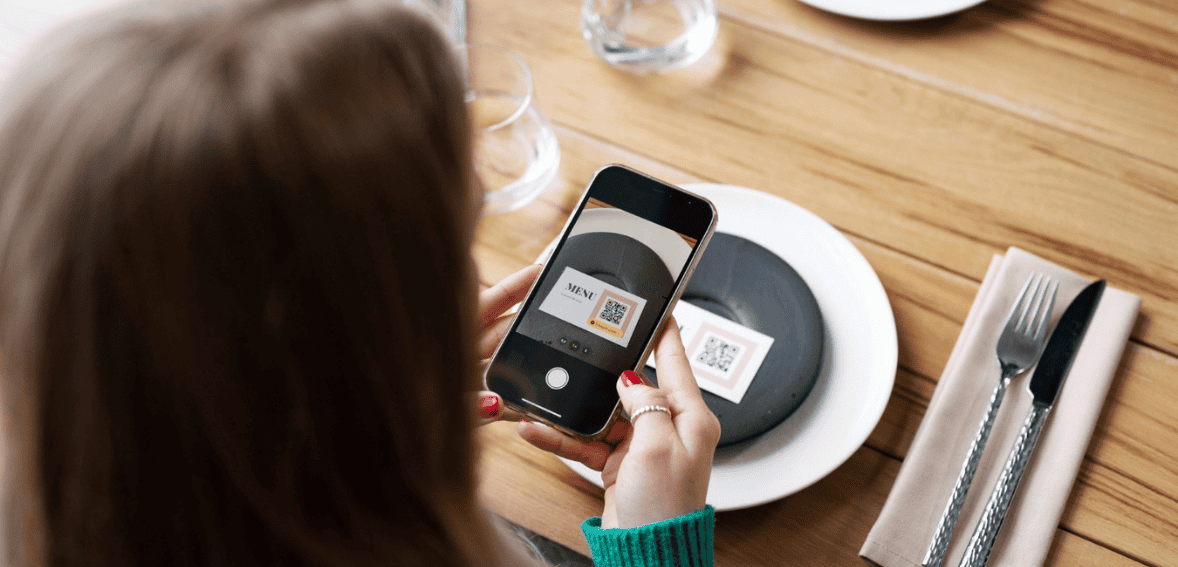
Restaurants have always relied on menus as one of their most powerful communication tools. For decades, printed menus served as the bridge between kitchen and customer, listing dishes, prices, and descriptions in a static format. Today, technology is reshaping that experience. From quick service chains to upscale dining rooms, many establishments are transitioning from paper menus to digital menu boards and interactive displays. This shift is not just about aesthetics or modernization. It reflects deeper operational and financial considerations that affect profitability, branding, and customer engagement.
The adoption of restaurant menu software, tablet menus, and dynamic pricing restaurants strategies is transforming the way food service businesses operate. Digital systems offer flexibility that printed materials simply cannot match. Pricing updates, seasonal adjustments, ingredient changes, and promotional highlights can be modified quickly and consistently. As the hospitality industry adapts to changing customer expectations, digital menu boards are becoming more than screens on walls. They are integrated business tools shaping efficiency, marketing, and revenue growth.
The Evolution From Static Menus to Dynamic Displays
Printed menus were once the cornerstone of restaurant communication. However, they required time and expense for updates. Any change in pricing or ingredients meant reprinting and redistributing copies. Digital menu boards eliminate those recurring costs and delays. With restaurant menu software, menu content can be modified in real time across multiple screens or locations.
Tablet menus further expand this evolution by allowing customers to explore dishes visually and interactively. High resolution images and ingredient descriptions enhance decision making. Dynamic pricing restaurants models allow pricing adjustments based on time of day or demand. The transition from paper to digital formats creates operational flexibility while modernizing brand presentation. This shift demonstrates how digital menu boards influence both efficiency and customer perception.
Cost Savings and Operational Efficiency
One of the most immediate benefits of digital menu boards is cost reduction. Printing and redesigning physical menus involve recurring expenses. Restaurant menu software reduces these costs by centralizing updates. Instead of replacing printed copies, managers update pricing or specials with a few clicks.
Tablet menus also support operational efficiency. Servers can enter orders directly from devices, reducing handwriting errors. Dynamic pricing restaurants practices allow automatic updates during peak hours without staff manually changing signage. Over time, the savings from streamlined updates and reduced labor errors support healthier profit margins. Digital menu boards do more than enhance appearance. They contribute to more efficient workflows across the dining environment.
Enhancing Customer Experience
Customer expectations have changed significantly in recent years. Guests appreciate convenience, transparency, and visually engaging presentations. Digital menu boards offer vibrant visuals that capture attention and improve clarity. Restaurant menu software ensures accurate information, reducing confusion about availability or pricing.
Tablet menus create interactive experiences. Customers can filter options by dietary preferences or explore ingredient details. Dynamic pricing restaurants strategies may present lunch specials during midday and dinner pricing in the evening without visual clutter. By presenting information clearly and consistently, digital menu boards create smoother ordering processes. Improved satisfaction often translates into stronger repeat business and positive reviews.
Supporting Real Time Menu Updates
Restaurants often adjust offerings based on ingredient availability or seasonal demand. With printed menus, last minute changes may require awkward explanations. Digital menu boards allow instant removal or addition of items. Restaurant menu software keeps all displays synchronized, reducing inconsistency between locations.
Tablet menus also adjust inventory visibility in real time, preventing guests from ordering unavailable items. Dynamic pricing restaurants strategies can align pricing with demand fluctuations without confusing customers. Real time updates provide flexibility that enhances operational resilience. By minimizing manual corrections, digital menu boards strengthen communication accuracy.
Marketing and Upselling Opportunities
Digital menu boards offer more than static listings. They provide marketing potential through rotating highlights and promotional animations. Restaurant menu software often supports feature banners or limited time offers. Tablet menus can suggest pairings based on selected items, increasing average ticket value. Dynamic pricing restaurants models may encourage off peak visits by presenting targeted discounts during slower hours. Strategic placement of digital visuals influences purchasing decisions. Unlike printed menus, digital menu boards can incorporate motion graphics that draw attention to high margin items. This marketing advantage directly contributes to revenue growth.
Data Insights and Performance Tracking
Restaurant menu software often integrates with point of sale systems, enabling data collection and performance analysis. Digital menu boards become tools for monitoring which promotions drive sales. Tablet menus can record browsing behavior, revealing popular items and customer preferences. Dynamic pricing restaurants strategies benefit from analytics that measure demand responsiveness. By analyzing performance metrics, managers can refine offerings and pricing approaches. Digital menu boards contribute to smarter decision making supported by actionable insights. Data driven management strengthens long term sustainability.
Supporting Multiple Locations and Brand Consistency
For chains and franchise models, consistency matters. Printed menus can vary slightly between locations due to human error. Digital menu boards connected to centralized restaurant menu software ensure uniform updates. Tablet menus deployed across branches maintain standardized visuals and information. Dynamic pricing restaurants techniques can be applied selectively while preserving brand guidelines. Consistency strengthens customer trust and reinforces brand identity. Digital menu boards allow synchronized implementation of seasonal campaigns and promotional themes.
Environmental Considerations
Sustainability has become an important consideration for many businesses. Printed menus require paper and ink resources. Frequent updates increase environmental impact. Digital menu boards reduce reliance on physical materials. Restaurant menu software eliminates repeated printing cycles. Tablet menus also reduce disposable materials associated with single use printed inserts. Dynamic pricing restaurants systems help manage food supply more precisely, potentially minimizing waste tied to miscommunication about availability. Transitioning to digital menu boards aligns with environmentally conscious business practices and can enhance brand reputation among sustainability minded customers.
Addressing Accessibility and Inclusivity
Digital technology can improve accessibility for customers with visual impairments or language barriers. Restaurant menu software allows adjustable font sizes and high contrast display modes. Tablet menus can offer translation features or audio support. Dynamic pricing restaurants structures can present pricing clearly, avoiding confusion related to handwritten modifications. Digital menu boards create inclusive environments that welcome diverse audiences.
Challenges and Implementation Considerations
Transitioning to digital menu boards involves initial investment. Hardware, restaurant menu software licensing, and staff training represent upfront costs. Tablet menus require maintenance and updates. Dynamic pricing restaurants models must be implemented transparently to avoid customer frustration. Reliable internet connectivity and cybersecurity measures also play critical roles. Despite challenges, long term efficiency gains often offset initial setup expenses.
The Future of Restaurant Menus
Digital menu boards will likely continue evolving. Artificial intelligence integration within restaurant menu software may personalize recommendations. Tablet menus could incorporate voice assisted ordering features. Dynamic pricing restaurants frameworks may become more sophisticated, adjusting in response to weather patterns or supply fluctuations. As consumer habits shift further toward digital interaction, restaurants adopting adaptive systems will remain competitive.
Integration With Online Ordering and Delivery Platforms
The emergence of third-party delivery and direct online ordering has made integration a key consideration for contemporary restaurants. Digital menu boards integrated with restaurant menu software can be automatically synchronized with websites and delivery systems. This eliminates any inconsistencies between the physical menu boards and online menu listings. When prices or product availability change, updates can be made to all systems simultaneously, minimizing confusion for customers and employees alike.
Digital menu boards can also provide smooth transitions between physical and digital ordering experiences. Customers who view the same images online and in the physical restaurant build better brand recognition. Dynamic pricing restaurant strategies can be extended to multiple ordering platforms, ensuring that special deals are consistent regardless of the source of the order. By integrating digital menu boards with online infrastructure, restaurants create comprehensive systems that improve the accuracy of operations and customer loyalty.
Labor Optimization and Staff Support
Digital menu boards and restaurant menu software also affect staff efficiency. With automatic menu updates, managers will not spend much time overseeing manual updates. Staff members can dedicate more time to service quality rather than addressing errors in the back office. Tablet menus eliminate errors in ordering and improve communication between the front and back of house staff.
Dynamic pricing restaurant layouts can also assist in estimating staff requirements based on peak periods. For instance, using promotional pricing strategies during off-peak periods can help draw customers to offset workload during peak periods. Digital menu boards eliminate customer confusion regarding pricing discrepancies, thus eliminating embarrassing customer interactions. With enhanced clarity and reduced repetitive tasks, digital menu boards enhance overall staff efficiency. Staff members feel more confident with accurate information displayed on screens.
Brand Identity and Visual Storytelling
Menus convey more than price points. Menus convey a message about the culture and personality of a restaurant. Digital menu boards provide an opportunity to reinforce the personality of a brand using color, motion, and high-quality images. Restaurant menu software enables restaurant managers to coordinate menu displays with seasonal or marketing messages.
Tablet menus take storytelling to the next level by including chef messages, origin descriptions, or cooking videos. Dynamic pricing restaurant systems can display special events or limited-time offerings in a highly engaging manner. These engaging experiences set restaurants apart in a competitive market. Digital menu boards become highly effective branding channels rather than mere information displays. Consistent visual communication helps in building recognition and loyalty. Restaurants can leverage creative presentation to turn menu screens into valuable storytelling channels.

Long Term Scalability and Innovation
With the advancement of technology, digital menu boards are scalable in a way that printed menus cannot be. Restaurant menu software can scale with a business as it grows without needing to be redesigned from start to finish. New functionality can be added as the needs of the business change over time. Tablet menus enable this scalability through software improvements rather than expensive reprinting or redesigns.
Frameworks for dynamic pricing restaurants may include predictive analytics that forecast changes in demand based on past trends. Digital menu boards provide a starting point for the integration of loyalty programs, personalized marketing, and improved ordering systems. This scalability enables restaurants to be ready for the next trend in the hospitality industry. Companies that implement digital solutions now can easily incorporate future innovations down the line.
Conclusion
The shift from paper menus to digital platforms represents more than technological modernization. Digital menu boards improve operational efficiency, strengthen marketing capabilities, and enhance customer engagement. Restaurant menu software centralizes updates while maintaining consistency across locations. Tablet menus offer interactive ordering experiences that increase satisfaction and revenue potential.
Dynamic pricing restaurants strategies allow flexible pricing adjustments aligned with demand patterns. Together, these digital tools reshape the business landscape of hospitality. While implementation requires careful planning, the long term impact on cost control, performance tracking, and brand perception makes the transition a compelling investment. As restaurants continue adapting to evolving customer expectations, digital menu boards will remain central to innovation and sustainable growth.