
Restaurant Mobile Apps: Building Loyalty Beyond the Dining Table
The way people interact with restaurants has changed significantly over the past decade. Dining is no longer limited to physical visits, conversations with staff, or traditional ordering methods. Today, customers expect convenience, speed, and personalised experiences that extend beyond the restaurant space. This shift has made technology an essential part of how restaurants operate and connect with their audience.
One of the most impactful developments in this transformation is the rise of restaurant mobile apps. These apps are not just tools for ordering food. They are becoming central platforms where restaurants build relationships, understand customer behaviour, and create long-term engagement. Through thoughtful restaurant mobile app development, businesses are finding new ways to enhance customer experiences and stay relevant in a competitive market.
The Growing Importance of Restaurant Mobile Apps
Restaurants are increasingly realising that customers’ expectations are changing. Customers expect a seamless digital experience that is similar to the one they receive in other parts of their lives. This includes being able to order a meal, earn loyalty points, or even book a table, all through their smartphones.
This is where restaurant mobile app development comes in. A restaurant’s mobile app is a direct communication channel for a restaurant and its customers. This is important since it eliminates the dependency on third-party platforms. At the same time, it allows a restaurant to gain valuable insights about its customers.
The importance of customer retention technology is becoming more apparent. While it is expensive for a restaurant to acquire new customers, retaining existing ones is more cost-effective. Mobile apps allow a restaurant to stay connected with its customers. This ensures that customers return not just for the food, but for the experience.
Moving Beyond Traditional Dining Experiences
Dining out was a straightforward affair that involved going to a restaurant, ordering food, and leaving the restaurant after the meal was over. However, the experience has become much more fluid and ongoing with the advent of technology. App-based ordering has revolutionized the way people consume food at restaurants. For instance, customers can view the menu, customize their orders, and make payments without the need to queue or interact with the restaurant staff. Such convenience cannot be overstated, especially in a busy city where every moment counts.
Mobile app development for restaurants has helped in the creation of a platform where customers can access a number of functionalities in one place. From ordering takeouts and deliveries to making reservations and leaving feedback, the experience has become much more fluid and ongoing. Digital loyalty schemes have helped restaurants take the experience beyond the table by offering a way to stay in touch with customers without relying on the restaurant experience alone.
Enhancing Customer Engagement Through Personalisation
One of the most significant advantages of using restaurant mobile apps is their ability to provide personalization in the customer experience. Personalization is one aspect where mobile apps stand apart from other conventional marketing techniques, as the data available in the app helps in personalization.
The customer retention technology helps in understanding the customer’s order history, the number of visits made to the restaurant, and the customer’s favourite dishes. All this data helps in providing the customer with the best experience, which in turn helps in building a strong relationship between the customer and the restaurant.
The digital loyalty programs also provide the restaurant with the opportunity to use personalization as one of the most significant advantages. Personalization helps in making the loyalty programs more effective, as the incentives provided to the customer are customized according to the customer’s needs. For instance, the loyalty program for the frequent customer is different from the one provided to the customer who visits the restaurant less frequently. Therefore, the restaurant mobile app development plays a significant role in providing the customer with the best experience.
The Role of Digital Loyalty Programs in Retention
Loyalty has always been an important part of the restaurant industry, but the way it is managed has evolved. Traditional methods such as paper cards or manual tracking are no longer sufficient in a digital-first world. Customers now expect loyalty programs to be seamless, transparent, and easy to use.
Digital loyalty programs offer a more efficient and engaging solution. They allow customers to earn points, track rewards, and redeem benefits directly through the app. This eliminates confusion and creates a more satisfying experience. It also encourages repeat visits, as customers are motivated to accumulate and use their rewards.
From a business perspective, digital loyalty programs provide valuable insights into customer behaviour. Restaurants can identify which offers are most effective, which customers are most active, and how loyalty initiatives impact sales. This data-driven approach helps in refining strategies and improving overall performance. Customer retention technology supports these programs by ensuring that rewards are delivered at the right time and in the right way. Notifications, reminders, and personalised offers keep customers engaged and increase the likelihood of repeat interactions.
Streamlining Operations with App-Based Ordering
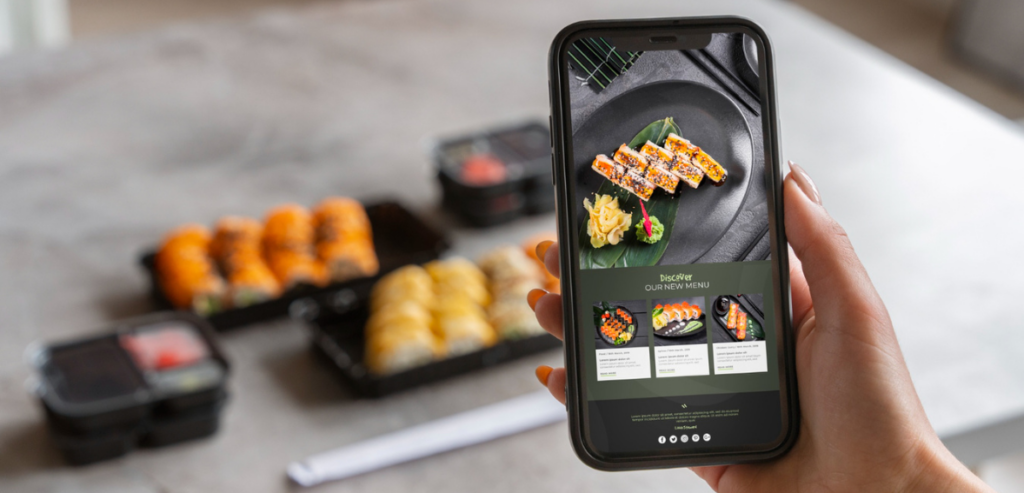
One such factor is efficiency, which is very important in the restaurant business, especially during peak hours. There might be long queues, wrong orders, and delays, which can affect the customer experience. App-based ordering can resolve such problems by making it simpler for customers to order. Customers can now place orders in advance, set their preferences, and make payments without having to wait. It also helps in eliminating errors, as they can enter their requirements themselves.
Restaurant mobile app development ensures that all such facilities are incorporated in an efficient way. Everything needs to be integrated in such a way that it provides an effective experience for the customers. In addition to efficiency, app-based ordering also provides greater convenience for customers. They can choose to eat in, take away food, or get it delivered, and it becomes easier for them.
Building Stronger Brand Connections
A restaurant is not just about food. It is also about the experience, the atmosphere, and the relationship with customers. Mobile apps provide a unique opportunity to strengthen these connections by creating a direct and personalised communication channel. Through restaurant mobile app development, businesses can showcase their brand identity, share stories, and highlight what makes them unique. This helps in building emotional connections with customers, which are essential for long-term loyalty.
Customer retention technology plays a supporting role by ensuring that communication is relevant and timely. Push notifications, updates, and personalised messages keep customers informed and engaged without overwhelming them. Digital loyalty programs further enhance this connection by rewarding customers for their continued support. When customers feel appreciated, they are more likely to remain loyal and recommend the restaurant to others.
Leveraging Data for Better Decision Making
Data has become a powerful tool in modern business, and the restaurant industry is no exception. Mobile apps generate a wealth of information that can be used to improve operations, marketing, and customer experience. Restaurant mobile app development enables the collection and analysis of data related to customer behaviour, order patterns, and engagement levels. This information helps restaurants make informed decisions about menu design, pricing strategies, and promotional campaigns.
Customer retention technology uses this data to identify trends and predict future behaviour. For example, restaurants can determine which customers are likely to return and which ones may need additional incentives. This allows for more targeted and effective marketing efforts. Digital loyalty programs also benefit from data insights. By understanding which rewards are most popular, restaurants can optimise their offerings and increase participation. This leads to better results and higher customer satisfaction.
Integrating Seamless Payment and Convenience Features
Convenience is one of the main reasons customers prefer mobile apps. The ability to complete transactions quickly and securely is a major advantage. Restaurant mobile app development focuses on integrating reliable payment systems that support various options such as digital wallets, cards, and online banking.
App-based ordering becomes even more effective when combined with seamless payment solutions. Customers can place and pay for their orders in a few simple steps, reducing waiting time and improving the overall experience. Customer retention technology ensures that these processes are smooth and consistent. Any delays or technical issues can negatively impact customer perception, so it is important to maintain high standards of performance. Digital loyalty programs can also be integrated with payment systems, allowing customers to earn and redeem rewards during transactions. This creates a more cohesive and user-friendly experience.

Adapting to Changing Consumer Behaviour
Consumer behaviour is constantly evolving, influenced by technology, lifestyle changes, and external factors. Restaurants need to stay flexible and responsive to these changes in order to remain competitive. Restaurant mobile app development provides the flexibility to adapt quickly. Features can be updated, new services can be added, and user interfaces can be improved based on feedback and trends. This ensures that the app remains relevant and useful.
App-based ordering has become particularly important in recent years, as customers seek safer and more convenient ways to access food. Restaurants that invest in these solutions are better positioned to meet customer expectations and maintain their market presence. Customer retention technology helps businesses stay connected with their audience during periods of change. By maintaining communication and offering relevant incentives, restaurants can retain their customer base even in challenging conditions.
Overcoming Challenges in App Implementation
While the benefits of restaurant mobile apps are clear, implementing them comes with its own set of challenges. Developing and maintaining an app requires investment, technical expertise, and ongoing support. Restaurant mobile app development must focus on usability, performance, and security. A poorly designed app can lead to frustration and discourage users from engaging with the brand. It is important to prioritise user experience and ensure that the app is easy to navigate.
Customer retention technology also requires careful planning. Sending too many notifications or irrelevant offers can have the opposite effect and lead to disengagement. Finding the right balance is key to maintaining customer interest. Digital loyalty programs need to be simple and transparent. Complex rules or unclear rewards can confuse customers and reduce participation. Clear communication and easy-to-understand systems are essential for success.
The Future of Restaurant Mobile Apps
The role of mobile apps in the restaurant industry is expected to grow even further in the coming years. As technology continues to advance, new features and capabilities will emerge, offering even more opportunities for engagement and innovation. Restaurant mobile app development will likely incorporate advanced technologies such as AI and predictive analytics. These tools can enhance personalisation, improve recommendations, and create more intuitive user experiences.
App-based ordering will continue to evolve, with faster processes and more integration across different platforms. This will make ordering even more convenient and accessible for customers. Customer retention technology will become more sophisticated, allowing restaurants to build deeper relationships with their audience. Digital loyalty programs will also expand, offering more creative and engaging ways to reward customers.
Conclusion
Restaurant mobile apps have transformed the way businesses interact with their customers. They are no longer just tools for convenience but powerful platforms for building loyalty and enhancing the overall dining experience. Through effective restaurant mobile app development, restaurants can create meaningful connections that extend beyond the physical space. Digital loyalty programs, app-based ordering, and customer retention technology work together to create a seamless and engaging ecosystem.
These elements help restaurants stay connected with their audience, understand their needs, and deliver personalised experiences that encourage repeat visits. As the industry continues to evolve, embracing these technologies will be essential for long-term success. Restaurants that invest in mobile apps and focus on customer engagement will be better equipped to navigate changing expectations and build lasting relationships with their customers.