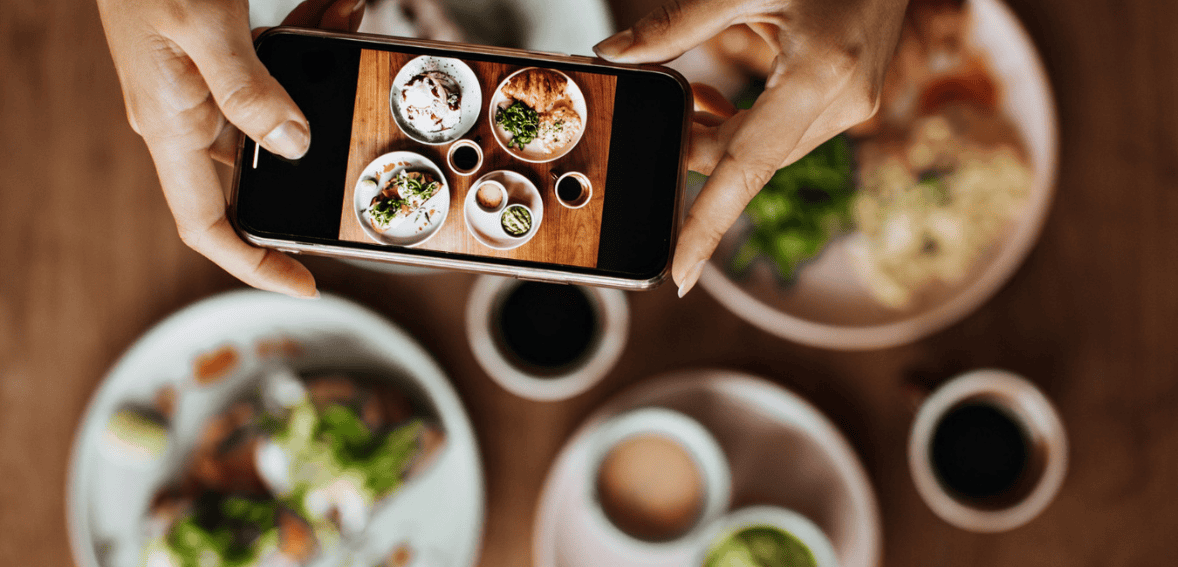
Restaurant Digital Transformation: How Technology Is Redefining Modern Dining
Restaurants have always been changing with the passage of time. From paper tickets and chalkboard menus to online reservations and mobile payments, the restaurant industry has been changing with the demands of customers. However, this change is taking place at a pace that has never been seen before. The emergence of smartphones, cloud computing, food delivery apps, and automation software has given birth to a new restaurant model that combines the best of the physical and digital worlds. This phenomenon is known as restaurant digital transformation, and it is changing the restaurant industry in every possible way.
Customers today demand speed, personalization, and convenience without compromising on quality. They want to view menus online, order in advance, split bills online, and earn rewards instantly. Meanwhile, restaurant owners are leveraging technology to manage inventory, predict sales, monitor labor, and analyze sales data in real-time. These restaurant technology trends are not just limited to big chains. Even small local restaurants are adopting technology to stay profitable and ahead of the competition. This has given birth to a new digital dining experience that combines human hospitality with technology, giving rise to a new breed of tech-savvy restaurants.
The Shift From Traditional to Digital Operations
The traditional way of running a restaurant involved many manual processes. Orders were taken by hand, inventory was managed through spreadsheets or paper, and customer information was never stored. Although this method had been effective for several decades, it presented opportunities for mistakes and was not scalable. With the increasing needs of customers, restaurants required more efficient technology to handle busy dining rooms and increasing delivery requests. This marked the beginning of the restaurant digital transformation era, where point-of-sale technology replaced cash registers and digital reservation systems replaced paper-based reservation books.
Currently, restaurant technology trends go beyond simple payment solutions. Cloud-based solutions enable restaurant managers to monitor performance data from any computer or device. Kitchen display systems eliminate printed tickets, increasing efficiency and accuracy. Digital ordering kiosks alleviate workload on restaurant front-of-house staff. These technologies enable the creation of a seamless digital dining experience that minimizes human error while sustaining the quality of service. The adoption of technology in restaurants is no longer a choice for many establishments that seek to remain relevant in a competitive market.
Online Ordering and Mobile Apps
Online ordering has emerged as one of the most noticeable areas of digital evolution in the restaurant industry. Customers can now view menus, personalize orders, and pay using their mobile devices without having to stand in line. Restaurants can now process orders faster, minimize misunderstandings, and analyze orders in detail. Mobile apps also come with loyalty programs and special offers, which encourage customers to return and build stronger ties with the restaurant.
The restaurant technology trends have opened new revenue streams for restaurants beyond the dining space. Delivery services and online ordering sites have enabled restaurants to connect with customers who prefer to dine at home. A restaurant with a well-designed digital dining experience ensures that customers can engage with the restaurant seamlessly, whether they are dining in, ordering for pickup, or ordering for delivery. As tech-savvy restaurants improve their online presence, they are able to collect valuable insights into consumer behavior, seasonal trends, and buying patterns.
Smart Point of Sale Systems
Contemporary point of sale solutions offer far more functionality than mere payment processing. They combine inventory management, employee management, sales analysis, and customer database management in a single interface. This is an important part of the digital transformation of restaurants because it allows all of the information that was previously fragmented across multiple systems to be viewed in one place. Restaurant technology trends indicate a definite shift towards data-informed decision making.
Restaurant technology trends indicate a definite shift towards data-informed decision making. Rather than making educated guesses about what specials to advertise, restaurant owners can use data analysis to make informed decisions about their menus. This has a direct positive impact on profitability, while also providing a better digital dining experience for consumers. Smart restaurants utilize these solutions to minimize waste, maximize food cost management, and maximize table turn rates.
Contactless Payments and Table Side Technology
The pandemic accelerated the adoption of contactless technology in restaurants. Customers became accustomed to tapping cards, scanning QR codes, and reviewing digital menus. While these changes were initially driven by health concerns, they quickly proved beneficial for speed and convenience. Contactless payments reduce transaction time and allow guests to settle bills without waiting for staff.
These innovations are now part of ongoing restaurant digital transformation efforts. Table side ordering tablets and QR based menus allow guests to place orders directly, minimizing communication errors. Restaurant technology trends suggest that contactless systems will remain common because they enhance operational efficiency. A seamless digital dining experience includes minimal friction at checkout and flexible payment options. Tech-enabled restaurants that embrace these systems often see faster table turnover and higher customer satisfaction rates.
Automation in the Kitchen
Technology is not just limited to customer-facing technology. The back-of-house is also experiencing its own transformation. There are automated inventory systems that monitor inventory levels in real-time, sending notifications when ingredient levels are running low. Predictive analytics also help kitchens better estimate demand, enabling them to better prepare ingredients.
Restaurant digital transformation also encompasses smart kitchen appliances that have programmable functions and energy consumption tracking. Such technology enhances consistency and food safety while minimizing manual strain. As technology trends in the restaurant industry continue to develop, the kitchen is becoming a more organized and data-driven space. This is a direct benefit to a positive digital dining experience because it ensures that orders are processed on time and accurately. Tech-enabled restaurants that implement kitchen automation can dedicate more time to innovation in the kitchen.
Personalization and Data Driven Marketing
One of the most powerful aspects of restaurant digital transformation is the ability to personalize customer interactions. Loyalty programs integrated into mobile apps collect data about preferences, order frequency, and spending patterns. Restaurants can use this information to send tailored promotions and targeted offers, increasing engagement and repeat visits.
Restaurant technology trends highlight the importance of customer relationship management tools. Instead of mass marketing campaigns, restaurants can design individualized experiences. This personalization enhances the digital dining experience by making customers feel recognized and valued. Tech-enabled restaurants that analyze purchasing behavior can introduce limited time offers or menu adjustments based on actual demand rather than assumptions. Over time, personalized engagement strengthens brand loyalty and drives long term growth.
Robotics and Emerging Innovations
While still emerging in many markets, robotics and artificial intelligence are beginning to influence restaurant digital transformation. Some establishments use automated beverage dispensers or robotic food runners to streamline service. Others experiment with automated burger grills or pizza assembly systems to speed up production.
Restaurant technology trends suggest that automation will expand as technology becomes more affordable and reliable. Although full robotic kitchens are not yet common, even partial automation can enhance efficiency. These innovations support a consistent digital dining experience by reducing variability in preparation times. Tech-enabled restaurants that explore robotics must balance efficiency with maintaining a warm and welcoming atmosphere, ensuring technology complements rather than replaces human hospitality.

Cloud Kitchens and Virtual Brands
The rise of delivery platforms has fueled the growth of cloud kitchens and virtual restaurant concepts. These businesses operate without traditional dining rooms, focusing entirely on delivery and online sales. This model is a clear example of restaurant digital transformation because it relies almost completely on technology for order intake and customer interaction.
Restaurant technology trends indicate that virtual brands allow operators to test new cuisines or concepts with lower overhead costs. By analyzing digital sales data, owners can identify which dishes resonate with customers. This flexible structure enables tech-enabled restaurants to expand portfolios quickly. The digital dining experience in this model revolves around speed, convenience, and accurate packaging rather than in person ambiance.
Staff Management and Workforce Technology
Managing staff effectively is another area where restaurant digital transformation plays a crucial role. Scheduling software considers forecasted demand and labor availability to create optimized rosters. Time tracking systems reduce payroll errors and simplify compliance with labor regulations.
Restaurant technology trends emphasize workforce transparency and efficiency. Employees can request shift changes, check schedules, and monitor performance metrics through dedicated apps. This streamlined communication contributes to a smoother digital dining experience because it ensures adequate staffing during peak hours. Tech-enabled restaurants that invest in workforce tools often experience improved morale and reduced turnover, which positively impacts service quality.
Enhancing the Customer Journey Through Digital Integration
A truly successful digital dining experience extends beyond ordering and payment. It begins with discovering the restaurant online, browsing reviews, viewing menus, and booking reservations. Integrated systems allow customers to transition seamlessly from searching for a place to eat to receiving personalized thank you emails after their visit.
Restaurant digital transformation is about connecting every touchpoint. Restaurant technology trends show that integrated systems create a cohesive brand experience across websites, apps, delivery platforms, and in store operations. Tech-enabled restaurants that align their digital tools create stronger relationships with customers. Instead of viewing technology as an isolated feature, these businesses treat it as part of an interconnected ecosystem.
Challenges of Digital Adoption
While technology offers numerous benefits, adopting it comes with challenges. Initial investment costs can be significant, particularly for small independent restaurants. Staff training is necessary to ensure systems are used correctly. Integration between different software tools may also require careful planning.
Restaurant digital transformation is not simply about purchasing equipment. It requires strategic decision making and continuous evaluation. Restaurant technology trends change quickly, and not every innovation fits every business model. Maintaining a high quality digital dining experience while preserving personal service requires careful balance. Tech-enabled restaurants succeed when they implement technology thoughtfully rather than chasing trends.
The Future of Modern Dining
Looking ahead, technology will continue to shape how restaurants operate and interact with customers. Artificial intelligence driven recommendation systems, advanced analytics, and enhanced delivery logistics will likely become standard components of restaurant digital transformation. Sustainability tracking tools may also gain importance as customers demand transparency about sourcing and environmental impact.
Restaurant technology trends are evolving toward greater integration and personalization. The digital dining experience of the future will likely blend immersive design with efficient automation. Tech-enabled restaurants will not merely process orders faster, they will anticipate preferences, streamline operations, and deliver consistent quality. While hospitality will always depend on human connection, technology will remain a central force in shaping the modern dining landscape.
Conclusion
The restaurant industry is undergoing profound change. Restaurant digital transformation is redefining how food businesses serve customers, manage operations, and grow revenue. From online ordering and contactless payments to smart kitchens and data driven marketing, restaurant technology trends continue to push boundaries. These innovations create a seamless digital dining experience that combines convenience with personalization. For owners and managers, embracing technology responsibly can reduce costs, improve efficiency, and strengthen customer loyalty. Tech-enabled restaurants that thoughtfully integrate digital systems into daily operations are better equipped to navigate market fluctuations and evolving consumer preferences. As dining continues to evolve, the fusion of hospitality and innovation will define the next chapter of modern restaurants.