How to Create High-Converting Restaurant Landing Page for Promotions
Restaurant promotions work best when they lead customers toward a clear and simple action. Whether the goal is to increase reservations, promote a limited time offer, or drive online orders, a well designed landing page can make a measurable difference. Many restaurants spend time and money on ads or social media posts but lose potential customers because their promotional pages are confusing, slow, or poorly structured. A strong landing page bridges the gap between interest and action.
A high converting promotional page does not rely on flashy design or complex messaging. It focuses on clarity, relevance, and ease of use. Every element should guide visitors toward one primary goal while reinforcing trust and appetite appeal. When done correctly, a restaurant landing page becomes a focused marketing tool that supports the wider restaurant website strategy and turns casual visitors into paying customers.
Understanding the Purpose of a Promotional Landing Page
Landing pages are not like general website pages. Its role does not involve explaining everything about the restaurant. Its role is to support one campaign or promotion. These include seasonal menus, the first time discount, as well as some events. Its role should be to answer one question to the visitor. Then, the role is to act.
At this point, it has to be clear. Visitors should know what’s being promoted and its relevance to their lives. A good landing page about a restaurant will eliminate distractions which could draw the visitor’s attention elsewhere. Unlike other pages, it won’t link to various other stories or menus but will help draw attention to the promotion. Such promotion strategies apply promotion conversion tips effectively.
Defining a Clear Goal Before Designing the Page
Before writing a copy or choosing images, it is important to define what success looks like. A landing page without a clear objective often underperforms because it tries to serve too many purposes at once. The goal might be to collect email addresses, encourage table reservations, or drive takeaway orders for a limited period.
Once the goal is set, every element on the page should support it. Buttons, headlines, images, and forms should align around that single action. This clarity improves usability and reduces hesitation. As part of an effective restaurant website strategy, goal driven pages are easier to measure and refine over time. Clear intent is one of the most reliable promo conversion tips for restaurant campaigns.
Writing Headlines That Grab Attention Quickly
The headline is also the first part visitors read on most occasions, and it is responsible for setting the tone for the rest of the webpage. The best headline is one that clearly states the value for money that visitors will receive in a clear and concise manner. The headline ought to concentrate on what the visitor is getting and not on what the restaurant is providing.
Subheadlines can offer additional meaning but should not be competing for attention. A headline and supporting line combination needs to convey the offer fast, within seconds. This has extra weight because website visitors often decide immediately where they want to remain or not. A good headline is an essential component concerning any landing page related to the restaurant and has extra leverage on related promo conversion guidelines.
Using Visuals That Support the Promotion
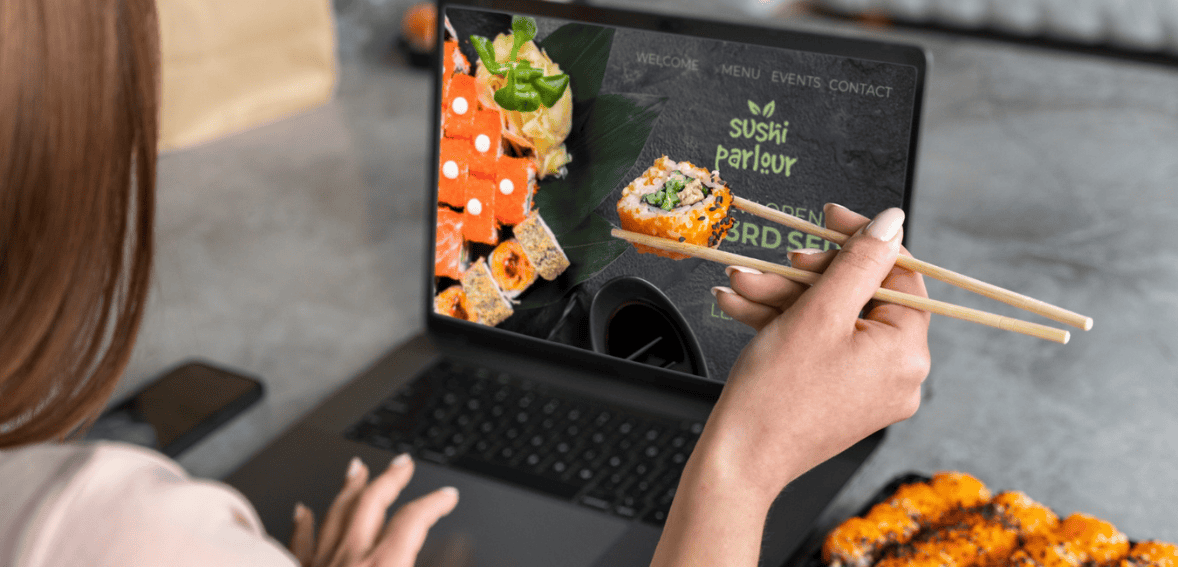
Images play a powerful role in restaurant marketing, but on a landing page they need to be chosen carefully. Visuals should reinforce the specific promotion rather than showcase unrelated menu items or interiors. High quality food photography that reflects the offer helps visitors imagine the experience and builds desire.
Consistency also matters. Images should match the tone and promise of the promotion, whether it is casual, premium, family friendly, or time sensitive. Avoid overcrowding the page with too many visuals, as this can distract from the main message. When visuals and copy work together, they strengthen the overall restaurant website strategy and support higher engagement and conversion rates.
Keeping Content Focused and Easy to Scan
Even though landing pages are promotional, visitors rarely read every word. Content should be structured so that key points are easy to spot without effort. Short paragraphs, clear spacing, and logical flow help visitors understand the offer quickly. The goal is to guide attention rather than overwhelm it.
Each section should build on the previous one, moving from interest to reassurance to action. Avoid unnecessary background information that does not support the promotion. Focused content improves performance because it aligns with how people actually consume information online. These principles are central to effective promo conversion tips and should be applied consistently across every restaurant landing page.
Highlighting the Offer Clearly and Honestly
The central focus that any promotional page should have is the offer. This needs to be communicated to the customer with clarity and without conditions. They need to know what they are getting, for how long they are going to get it, and what they have to do to get it.
Use specific information such as dates, times, and criteria of eligibility to the extent that it helps with expectations. When people feel that they understand exactly what it is that they are signing up for, there is an increased chance of the action happening. Offering information clearly has been shown not only to be best practice but an integral part of a good restaurant website.
Creating Strong Calls to Action
The call to action is where interest turns into action. It should be visible, direct, and easy to understand. Phrases like “Book Your Table” or “Order Now” work better than vague language because they tell visitors exactly what will happen next. Placement also matters, as the call to action should appear naturally as visitors move through the page.
Repeating the call to action at appropriate points reinforces the goal without becoming intrusive. Buttons should stand out visually while matching the overall design. Clear calls to action are among the most practical promo conversion tips because they remove uncertainty at the final decision point. On a restaurant landing page, simplicity and clarity often outperform creativity.
Building Trust With Social Proof
Many people will seek a degree of confirmation prior to acting, particularly if it is a new venue, business, or opportunity that catches their attention. Confirmation can be achieved via social proof, in the form of consumer reviews, consumer ratings, or consumer testimonials.
Social proof needs to be relevant and up-to-date. A pull-out quote concerning a particular dish included within the promotion or a general comment on service quality can go a long way to alleviate doubts. Use of visible trust signals will enhance the restaurant website strategy by indicating genuine customers have received a positive experience. Feedback from others is a major psychological boost to conversion.
Optimizing the Page for Mobile Users
A large portion of restaurant traffic comes from mobile devices, particularly during decision making moments like lunch breaks or evenings. A landing page that works well on desktop but poorly on mobile will lose potential conversions. Mobile optimization is therefore essential, not optional.
Content should adapt smoothly to smaller screens, with readable text and easily clickable buttons. Forms should be short and simple to complete on mobile devices. Images should load quickly without sacrificing quality. Treating mobile usability as a priority improves the effectiveness of a restaurant landing page and aligns with modern restaurant website strategy practices.
Speed and Technical Performance Considerations
Page speed directly affects conversion rates. Slow loading pages frustrate visitors and reduce trust, especially when promoting time sensitive offers. Technical performance should be addressed early in the design process rather than treated as an afterthought.
Optimizing images, reducing unnecessary scripts, and using reliable hosting all contribute to better performance. A fast landing page creates a smoother experience and supports all other promotional efforts. Many practical promo conversion tips lose their impact if visitors leave before the page fully loads, making speed a foundational requirement.
Aligning the Landing Page With the Broader Website
Although a landing page should target a specific audience, it should also blend in with overall design. It should look similar to an overall website design; otherwise, you may cause confusion for your visitor. Also, they may look for a confirmation that they have ended up at a correct location.
Links to further information should be kept to a minimum, but the most essential information, like contact information or the brand’s identity, should be included. This approach leads to the creation of trust but also keeps the attention focused. Harmonization of promotional pages with the restaurant’s website strategy results in a strong online identity that customers are able to identify.
Using Forms and Reservations Thoughtfully
If the promotion involves reservations, sign ups, or special access, the form should be as simple as possible. Asking for too much information creates friction and reduces completion rates. Only request details that are truly necessary for the promotion.
Clear instructions and reassurance about data use help ease concerns. For example, explaining how contact information will be used sets expectations and builds confidence. Simple and user-friendly forms are one of the most overlooked promo conversion tips, yet they have a direct impact on how well a restaurant landing page performs.
Testing and Improving Performance Over Time
No landing page should remain static. Performance data provides valuable insight into how visitors interact with the page. Metrics such as clicks, submissions, and bounce rates reveal where improvements can be made. Small adjustments to headlines, images, or button placement can produce meaningful results.
Regular testing supports continuous improvement and keeps promotions relevant. As part of a long term restaurant website strategy, ongoing optimization ensures that promotional pages evolve alongside customer behavior. High converting pages are rarely perfect from the start, but they become stronger through observation and refinement.
Adapting Landing Pages for Different Promotions
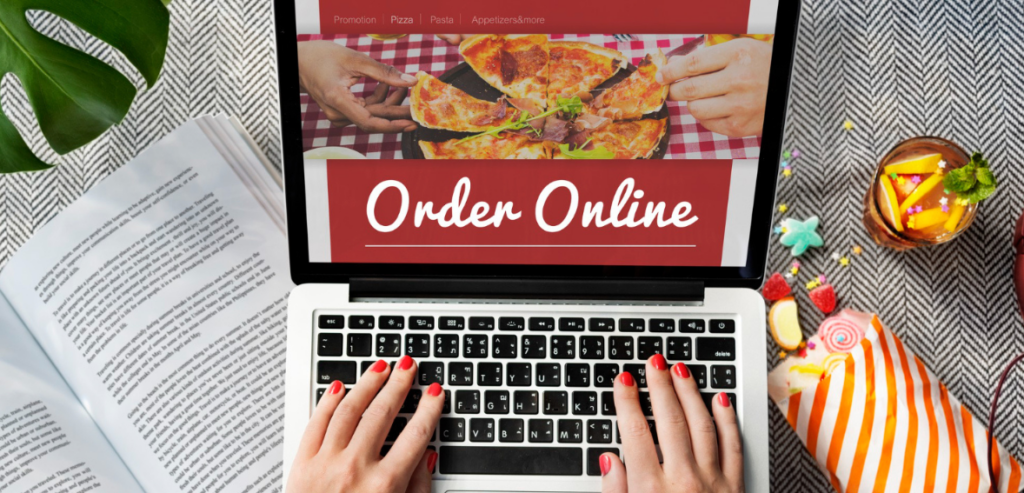
Not all promotions are the same, and landing pages should reflect their specific purpose. A page promoting a weekend brunch event may require a different tone and structure than one focused on online delivery discounts. Flexibility in design and content allows restaurants to tailor pages without starting from scratch each time.
Templates can help maintain consistency while allowing for customization. This approach saves time and ensures that core promo conversion tips are applied across campaigns. An adaptable restaurant landing page framework supports varied promotions while preserving quality and focus.
Avoiding Common Mistakes That Reduce Conversions
Some landing pages fail because they attempt to do too much. Including multiple offers, excessive navigation, or long explanations can dilute the message. Another common mistake is prioritizing style over clarity, resulting in pages that look good but confuse visitors. Ignoring mobile performance, slow load times, and unclear calls to action also reduces effectiveness. Being aware of these pitfalls helps restaurants focus on what truly matters. Avoiding common mistakes is just as important as applying best practices within a restaurant website strategy.
Measuring Success Beyond Immediate Sales
While conversions are a key metric, they are not the only measure of success. Engagement, repeat visits, and customer retention also provide insight into how well a landing page supports broader goals. Promotions can introduce new customers who return later, even if they do not convert immediately.
Tracking these outcomes helps restaurants understand the full impact of their promotional efforts. A successful restaurant landing page contributes not only to short term results but also to long term growth. Using data thoughtfully supports smarter decisions and more effective promo conversion tips over time.
Matching Landing Page Messaging With Ad and Social Campaigns
A common reason restaurant promotions underperform is misalignment between ads and landing pages. When a customer clicks on an ad promising a specific deal or experience, they expect to see the same message instantly reinforced on the landing page. If the wording, imagery, or offer feels different, trust drops and bounce rates increase. Consistency across channels reassures visitors that they are in the right place.
The headline and opening section of the restaurant landing page should closely reflect the language used in ads, emails, or social posts. This continuity reduces confusion and keeps momentum moving forward. Visual elements such as featured dishes or promotional dates should also match what was advertised. When this alignment is intentional, promo conversion tips work more effectively because visitors feel guided rather than redirected. As part of a strong restaurant website strategy, message consistency ensures that marketing spend translates into meaningful engagement instead of wasted clicks.
Using Urgency Without Creating Pressure
Urgency can be a powerful motivator when used carefully. Limited time offers, seasonal menus, or one day events encourage quicker decisions by reminding visitors that the promotion will not last forever. However, urgency should feel informative rather than manipulative. Overusing countdowns or aggressive language can create doubt and cause visitors to abandon the page.
Clear timelines, such as promotion end dates or limited availability, help visitors decide without feeling rushed. Phrases that highlight value rather than pressure tend to perform better for restaurant promotions. When urgency is honest and relevant, it complements rather than competes with other promo conversion tips. A thoughtful restaurant landing page uses urgency to support clarity, helping customers act when interest is highest. This approach strengthens long term trust while still driving timely responses.
Designing Landing Pages for Local Search Visibility
Restaurant promotions often target nearby customers, making local relevance an important consideration. While landing pages are focused on conversion, they can still support visibility by including location cues naturally within the content. Mentioning neighborhoods, landmarks, or service areas helps reinforce relevance without turning the page into a general location listing.
Local cues also help visitors quickly confirm that the promotion applies to them. Address details, service radius notes, or nearby pickup options reduce uncertainty. When integrated naturally, these elements support both user experience and overall restaurant website strategy. A well optimized restaurant landing page balances promotional focus with subtle local context, increasing the chance that nearby visitors stay and convert. This alignment strengthens the connection between discovery and action.
Planning for Seasonal and Repeat Campaigns
Many restaurants run promotions throughout the year, tied to holidays, weather changes, or dining patterns. Creating a landing page with reuse in mind saves time and maintains quality across campaigns. Instead of building from scratch each time, restaurants can adapt proven layouts and structures to suit new offers.
This approach allows teams to focus on refining messaging rather than rebuilding design elements. Previous performance data can guide adjustments to headlines, visuals, or calls to action. Over time, repeat testing improves results and sharpens promo conversion tips for future promotions. A flexible restaurant website strategy treats landing pages as evolving assets rather than one off projects. Consistent refinement leads to more reliable performance across seasons and campaigns.
Conclusion
Creating high converting landing pages for restaurant promotions requires focus, clarity, and attention to user experience. By defining clear goals, crafting compelling messages, and removing unnecessary friction, restaurants can turn interest into action more effectively. A well planned restaurant landing page is not about complexity, but about understanding what customers need at the moment.
When built as part of a cohesive restaurant website strategy, promotional pages become powerful tools for growth. Applying thoughtful promo conversion tips consistently leads to better performance, stronger engagement, and more successful promotions. In a competitive landscape, these focused improvements help restaurants stand out and connect more meaningfully with their audience.