
Digital Menu Optimization for Digital Discovery and Online Ordering Growth
Restaurants today operate in a landscape where the first interaction with a customer often happens online rather than at the front door. People browse menus on search engines, food delivery apps, social platforms, and business listings long before they decide where to eat or what to order. In this environment, a menu is no longer just a list of dishes. It is a digital asset that directly influences visibility, clicks, and conversions. Optimizing your menu for digital discovery helps ensure that your offerings are found easily, understood quickly, and chosen confidently by potential customers.
Digital menu optimization is about aligning your menu with how people search, browse, and order food online. It connects your food descriptions with search behavior, platform algorithms, and customer expectations. When done well, it improves online ordering visibility and drives more consistent growth across dine in, takeaway, and delivery channels.
Understanding How Customers Discover Menus Online
Before optimizing a menu, it is important to understand how customers actually find restaurant menus online. Many searches start with simple intent driven queries such as cuisine type, dish names, dietary preferences, or location based terms. Customers may search through Google, map listings, food delivery platforms, or review sites. Each of these channels displays menu information differently, but they all rely on structured and readable content.
The visibility of online ordering relies heavily on the alignment of your menu content with these search and browsing behaviors. If the naming conventions of menu items are not optimal, if they are not consistently formatted, or if they are lacking certain descriptors, they may not be optimally surfaced by these platforms. A good understanding of discovery behavior will allow restaurants to understand why digital menu optimization is more than just design, but rather how the content is interpreted by search engines and users.
The Role of Digital Menus in Modern Restaurant Growth
Digital menus have become a core driver of restaurant growth rather than a secondary marketing element. As more customers order online, the menu often acts as the final decision maker in whether a user completes an order or leaves the platform. A confusing or cluttered menu can reduce conversions even if the food itself is excellent.
Optimizing menus for digital platforms helps restaurants improve ordering flow and reduce friction. When menu items are easy to scan, clearly described, and logically grouped, customers spend less time deciding and more time ordering. Digital menu optimization also supports upselling opportunities through well positioned add ons and modifiers. Over time, these small improvements lead to higher order values and repeat usage, reinforcing sustainable online growth.
Structuring Your Menu for Online Readability
One of the most overlooked aspects of menu optimization is structure. Digital readers behave differently from in store diners. They scroll quickly and look for visual cues rather than reading every line. Menus that are structured with clear categories, intuitive item names, and consistent formatting perform better across all digital platforms.
Restaurant menu SEO begins with clean structure. Categories should reflect how customers think about food rather than how kitchens are organized internally. Item names should be descriptive but concise, avoiding unnecessary internal terminology. Consistency across platforms ensures that the same item appears and performs reliably whether viewed on a website, food app, or search listing. A structured menu not only improves readability but also helps platforms index and rank menu items correctly.
Writing Menu Descriptions That Work Online
Menu descriptions play a major role in digital discovery and ordering behavior. Online, customers cannot see or smell food, so descriptions become the primary sensory trigger. Effective descriptions explain what the item is, what makes it appealing, and why it stands out, all within a limited space.
For online ordering visibility, descriptions should contain terms that are commonly searched without appearing to be forced. Ingredients, methods of preparation, and nutritional information should be naturally written. Online ordering SEO for restaurants is improved when descriptions are similar to terms used in searching. However, clarity is more important than creativity in online writing. Descriptions that are well written eliminate confusion, prevent ordering mistakes, and create proper expectations.
Using Keywords Naturally Within Your Menu
Keywords are not just for blogs and websites. They also play an important role in digital menu optimization. Dish names and descriptions act as searchable content across search engines and ordering platforms. When customers search for a specific dish or preference, menus that include relevant terms are more likely to appear.
The key is to use keywords naturally. Overloading menu descriptions with repetitive terms can hurt readability and trust. Instead, focus on clarity and accuracy. If a dish fits a popular search category, such as a specific cuisine style or dietary option, it should be reflected clearly in the name or description. This balanced approach supports restaurant menu SEO while keeping the menu enjoyable to read.
Optimizing Menu Categories for Discovery Platforms
Different platforms surface menu categories in different ways. Food delivery apps often highlight categories at the top of the menu, while search engines may pull individual items directly into results. This means category naming and organization directly affect online ordering visibility.
Categories should be clear, familiar, and easy to navigate. Avoid vague titles that require extra explanation. Straightforward category names help both customers and algorithms understand what is being offered. Digital menu optimization also involves reviewing category length. Too many categories can overwhelm users, while too few can bury popular items. Regular review and refinement ensure that the menu remains aligned with changing customer behavior.
Visual Presentation and Its Impact on Ordering Decisions
While this article focuses on written optimization, visual presentation still plays an important role in digital menus. On many platforms, menu images and layout influence user engagement. Clean formatting, readable fonts, and consistent spacing help customers scan menus efficiently.
Too much visual information hurts optimization, and this is especially true for mobile devices, where most online purchases occur. Digital menu optimization also means that text should not be packed too tightly together and that important items should be highlighted in a natural way. Even without professional photography, attention to presentation can increase perceived quality. Over time, better visual clarity supports higher conversion rates and smoother ordering experiences.
Keeping Menus Consistent Across All Platforms
One major challenge restaurants face is inconsistency between menus shown on different platforms. Prices, item names, and descriptions often vary between the website, delivery apps, and third party listings. These inconsistencies can confuse customers and reduce confidence.
Online ordering visibility improves when menus are aligned across all digital touchpoints. Consistency helps search engines associate menu items correctly with your restaurant brand. It also reduces customer complaints related to mismatched pricing or unavailable items. Digital menu optimization includes regularly auditing platform menus to ensure accuracy and alignment. This ongoing effort protects credibility and supports long term growth.
Adapting Menus for Mobile First Ordering
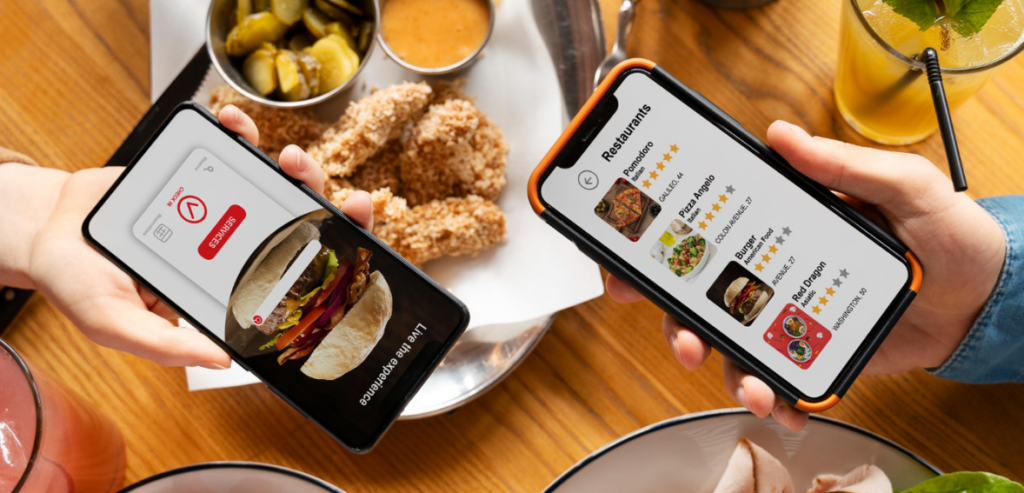
Most digital food orders are placed on mobile devices. This reality makes mobile optimization essential for menu performance. Long paragraphs, complex wording, and excessive detail can be difficult to read on small screens.
Menus optimized for mobile use short but informative descriptions, clear item names, and logical grouping. Restaurant menu SEO benefits from mobile friendly formatting because search engines prioritize mobile usability. When customers can scroll easily and understand menu options quickly, abandonment rates decrease. Mobile focused optimization is no longer optional but a core part of digital success.
Highlighting Best Sellers and Signature Items
Digital menus often perform better when they guide customers rather than presenting everything equally. Highlighting best sellers and signature items helps reduce decision fatigue and increases order confidence. Many platforms allow featured sections or labeling that draws attention to popular dishes.
In terms of digital menu optimization, the inclusion of high-performing items also has a positive effect on conversion rates. Customers are more likely to purchase items that are perceived as recommendations or popular choices. This information helps platforms understand engagement patterns, which can have an indirect positive effect on online ordering visibility.
Managing Menu Updates and Seasonal Changes
Menus are not static. Seasonal items, pricing updates, and availability changes are part of restaurant operations. Digitally, these changes need to be reflected quickly and accurately. Outdated menu information leads to frustration, canceled orders, and negative reviews.
Regular updates are a key part of digital menu optimization. Restaurants should establish a process for reviewing and updating menus across all platforms simultaneously. Seasonal changes also offer opportunities to introduce new keywords and improve restaurant menu SEO through timely content. Keeping menus current signals professionalism and builds trust with both customers and platforms.
Using Data to Refine Menu Performance
Many digital platforms provide basic data on menu performance, such as item views, orders, and conversions. This data can guide meaningful optimization decisions. Items that receive high views but low orders may need clearer descriptions or better placement.
Payment data and order trends also reveal which categories perform best at different times. Digital menu optimization benefits from these insights because it allows restaurants to adapt menus to actual customer behavior. Rather than guessing what works, data informed adjustments improve online ordering visibility and operational efficiency.
Avoiding Common Mistakes in Digital Menu Optimization
A common error made by restaurants is to consider digital menus to be copies of printed menus. Printed menus are designed for different purposes and do not take into consideration search patterns or mobile usage. Another common error is to make descriptions too complex in order to seem more sophisticated.
The best optimization strategy is to favor simplicity over complexity. Another common error is to not test changes to the menu. Small changes can make a big difference in customer behavior, and changes should be assessed and optimized on a regular basis. Avoiding these mistakes helps restaurants maintain momentum and avoid setbacks in digital growth.
The Relationship Between Menu Optimization and Brand Perception
Menus influence how customers perceive a restaurant’s brand. Clear, thoughtful menus suggest professionalism and care. Confusing or outdated menus can damage trust even before an order is placed.
Restaurant menu SEO and digital optimization work together to support brand consistency across online channels. When menu language, tone, and structure align with brand identity, customers feel confident ordering. Over time, this consistency strengthens brand recognition and supports long term loyalty.
Scaling Online Ordering Through Menu Optimization
As restaurants grow their online presence, menu scalability becomes important. A menu that works for a small number of items may struggle as offerings expand. Digital menu optimization includes planning for scalability by using consistent naming conventions and modular descriptions.
Scalable menus are easier to update, analyze, and optimize over time. They also perform better across multiple platforms as restaurants expand delivery or partner networks. Investing in scalable menu practices early helps prevent future operational and marketing challenges.
Conclusion
Optimizing your menu for digital discovery and online ordering growth is no longer optional in a competitive restaurant landscape. Menus now serve as searchable, interactive tools that connect customer intent with ordering action. Through thoughtful digital menu optimization, restaurants can improve online ordering visibility, enhance customer experience, and support sustainable growth. Restaurant menu SEO is not about gaming algorithms but about aligning menu content with how real customers search, browse, and decide. Clear structure, natural language, consistent updates, and data driven refinement transform menus into powerful growth assets. By treating the menu as a living digital resource rather than a static list, restaurants position themselves for long term success in an increasingly online driven market.