Contactless Payments and Digital Wallets: The New Standard in Dining
The dining experience has changed significantly over the past few years. What once revolved only around food, ambience, and service now includes speed, convenience, and technology. Customers expect smooth interactions at every stage, from ordering to paying the bill. One of the biggest shifts in this transformation has been the adoption of contactless payments and digital wallets.
Today, contactless payments restaurants offer are becoming the norm rather than the exception. Diners prefer quick and secure transactions that do not require physical cash or card handling. With the rise of mobile wallet payments and advancements in NFC payment technology, restaurants are upgrading their restaurant payment systems to meet evolving expectations. This shift is not just about convenience but also about efficiency, hygiene, and customer satisfaction.
The Rise of Contactless Payments in Dining
Contactless payments have gained widespread popularity due to their simplicity and speed. In a restaurant setting, this means customers can pay their bills with a simple tap or scan, reducing wait times and improving overall service flow. This approach aligns with modern dining habits where convenience is a key factor.
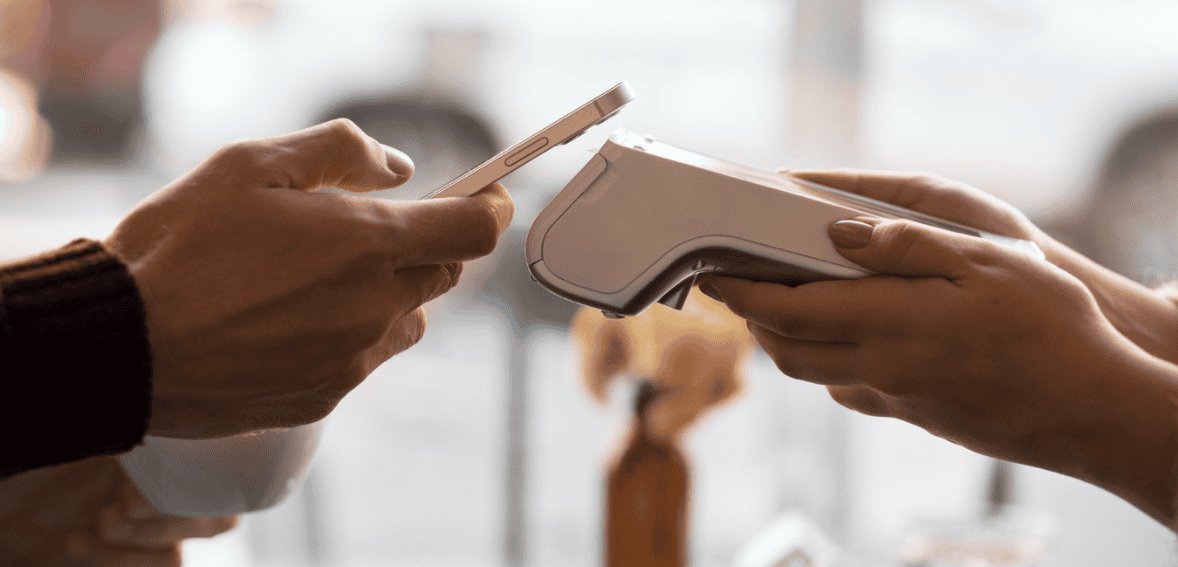
Contactless payments restaurants implement rely heavily on NFC payment technology, which allows devices to communicate securely over short distances. This technology enables quick transactions without the need for physical contact, making it ideal for busy dining environments. Customers can use cards, smartphones, or wearable devices to complete payments effortlessly.
Mobile wallet payments have further accelerated this trend by offering a digital alternative to traditional payment methods. With everything stored on a smartphone, customers can pay quickly without carrying cash or cards. As restaurant payment systems continue to evolve, contactless options are becoming an essential part of the dining experience.
Understanding NFC Payment Technology
NFC payment technology is the backbone of contactless payments. It allows two devices to exchange information when they are placed close to each other. In restaurants, this technology is used to process payments quickly and securely, enhancing the efficiency of transactions.
For restaurant payment systems, NFC technology simplifies the payment process. Customers can tap their card or mobile device on a payment terminal, and the transaction is completed within seconds. This eliminates the need for manual entry or card swiping, reducing the chances of errors.
Mobile wallet payments rely heavily on NFC payment technology to function effectively. These wallets store payment information securely and use encryption to protect data during transactions. By integrating NFC technology into their systems, restaurants can offer a seamless and secure payment experience that meets modern expectations.
How Mobile Wallet Payments Are Changing Dining Habits
Mobile wallet payments have transformed the way customers interact with restaurant payment systems. Instead of relying on physical cards or cash, customers can use their smartphones to complete transactions. This shift reflects a broader trend towards digital convenience.
In restaurants, mobile wallet payments make the checkout process faster and more efficient. Customers no longer need to wait for the bill to be processed manually. Instead, they can pay directly at the table or counter using their devices. This reduces wait times and improves service flow.
Contactless payments restaurants adopt also benefit from this change by offering multiple payment options. Customers can choose the method that suits them best, whether it is a card, smartphone, or wearable device. This flexibility enhances the overall dining experience and supports the growing demand for digital solutions.
Benefits for Restaurants and Customers
The adoption of contactless payments offers significant benefits for both restaurants and customers. For customers, the main advantages are speed, convenience, and security. Transactions are completed quickly, reducing the time spent waiting at the end of a meal.
For restaurants, upgrading restaurant payment systems to support contactless payments improves operational efficiency. Staff can process transactions faster, allowing them to focus on customer service. This is particularly important during peak hours when speed is essential.
NFC payment technology also enhances security by reducing the need for physical handling of cards. Mobile wallet payments add an extra layer of protection through encryption and authentication. These benefits contribute to a safer and more efficient payment environment for everyone involved.
Enhancing the Checkout Experience
The checkout experience is a critical part of the dining journey. A smooth and efficient payment process can leave a positive impression, while delays or complications can affect customer satisfaction. Contactless payments restaurants implement help streamline this process.
By integrating mobile wallet payments and NFC payment technology, restaurants can reduce friction at checkout. Customers can pay quickly without waiting for staff to process the transaction manually. This improves the overall flow of service and enhances the dining experience.
Restaurant payment systems that support contactless options also allow for greater flexibility. Customers can split bills, pay individually, or use multiple payment methods with ease. This adaptability ensures that the payment process meets the needs of different customers and situations.
Improving Operational Efficiency
Operational efficiency is a key factor in the success of any restaurant. By adopting modern restaurant payment systems, businesses can streamline their processes and reduce the time spent on transactions. Contactless payments restaurants use enable faster service and better resource management.
Mobile wallet payments reduce the need for cash handling and manual processing. This minimises errors and simplifies accounting. NFC payment technology ensures that transactions are completed quickly and accurately, improving overall efficiency.
For restaurant staff, these systems make it easier to manage payments and focus on customer service. By reducing the time spent on payment processing, staff can provide a more attentive and personalised experience. This combination of efficiency and service quality contributes to better business performance.
Addressing Security and Trust
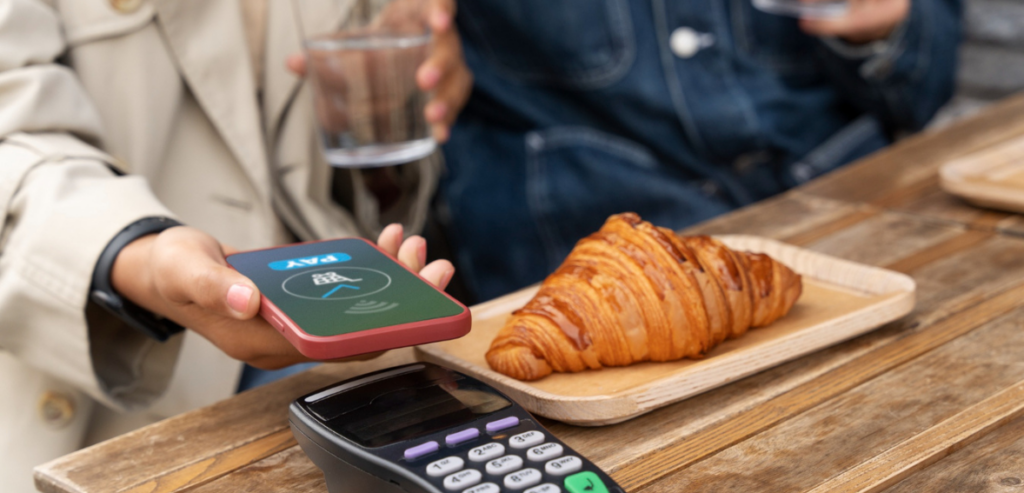
Security is a major concern in any payment system, and contactless payments address this effectively. NFC payment technology uses encryption to protect transaction data, ensuring that information is secure during the payment process. This reduces the risk of fraud and unauthorised access.
Mobile wallet payments add another layer of security through features such as biometric authentication and tokenisation. These measures ensure that sensitive information is not exposed during transactions. For customers, this creates a sense of trust and confidence in using digital payment methods.
Restaurant payment systems that prioritise security can build stronger relationships with customers. By offering safe and reliable payment options, businesses can enhance their reputation and encourage repeat visits. Trust is a key factor in the adoption of contactless payments restaurants offer.
Challenges in Adopting Contactless Payments
While the benefits are clear, adopting contactless payments can present challenges for some restaurants. One of the main challenges is the cost of upgrading restaurant payment systems to support new technologies. This may require investment in hardware, software, and training.
Another challenge is ensuring compatibility with existing systems. Restaurants need to ensure that their payment systems can integrate with mobile wallet payments and NFC payment technology without disruptions. This requires careful planning and implementation.
Customer awareness is also important. Some customers may not be familiar with contactless payments or may prefer traditional methods. Restaurants need to provide guidance and support to help customers adapt to new systems. By addressing these challenges, businesses can successfully transition to modern payment solutions.
The Future of Payment Systems in Dining
The future of dining is closely linked to advancements in payment technology. Contactless payments restaurants adopt today are likely to become even more advanced, offering greater convenience and functionality. Innovations in mobile wallet payments and NFC payment technology will continue to shape the industry.
Restaurant payment systems are expected to become more integrated, combining payment processing with ordering, loyalty programs, and customer data management. This integration will create a more seamless and personalised dining experience.
As digital adoption increases, customers will expect faster and more flexible payment options. Restaurants that invest in modern payment systems will be better positioned to meet these expectations and stay competitive in the evolving market.
Integrating Contactless Payments with Ordering Systems
One of the most effective ways restaurants are improving efficiency is by integrating payment systems directly with ordering platforms. When contactless payments restaurants use are connected with digital menus, QR ordering, and table-side devices, the entire dining journey becomes more seamless. Customers can browse, order, and pay without needing multiple interactions, which reduces wait times and improves service flow.
Mobile wallet payments play a key role in this integration. Customers can place orders through their phones and complete the transaction instantly using stored payment details. NFC payment technology further enhances this by enabling quick tap-based payments at the table or counter. This combination creates a unified experience that feels smooth and modern.
Restaurant payment systems that are integrated with ordering tools also reduce operational complexity. Staff spend less time managing payments and more time focusing on service. This integration improves accuracy, speeds up table turnover, and supports a more efficient workflow, making it a valuable investment for restaurants.
Supporting Contactless Payments in Quick Service and Fine Dining
Different types of restaurants have different service models, but contactless payments can benefit all of them. In quick service restaurants, speed is critical, and contactless payments restaurants adopt help reduce queues and improve customer flow. Customers can pay quickly and move on, which is essential in high-volume environments.
In fine dining settings, the focus is on experience and comfort. Mobile wallet payments allow customers to settle their bills discreetly without interrupting the dining experience. NFC payment technology enables table-side payments, which adds convenience while maintaining a premium feel.
Restaurant payment systems need to be flexible enough to support both environments. Whether it is a fast-paced outlet or a high-end restaurant, contactless solutions can be adapted to meet specific needs. This versatility makes digital payment methods suitable for a wide range of dining experiences.

Reducing Cash Dependency in Restaurants
The shift towards contactless payments has significantly reduced the reliance on cash in restaurants. Cash handling can be time-consuming and prone to errors, especially during busy hours. By adopting modern restaurant payment systems, businesses can simplify their operations and reduce risks associated with cash management.
Mobile wallet payments and card-based contactless payments eliminate the need for physical cash transactions. This not only speeds up the checkout process but also improves accuracy in billing and accounting. NFC payment technology ensures that transactions are completed quickly and securely, further supporting this transition.
For restaurants, reducing cash dependency also means fewer discrepancies and easier financial tracking. Contactless payments restaurants implement create a more organised system where transactions are recorded digitally. This improves transparency and makes it easier to manage finances, contributing to overall operational efficiency.
Encouraging Repeat Customers Through Digital Convenience
Convenience plays a major role in customer loyalty, and contactless payments contribute significantly to this aspect. When customers have a smooth and quick payment experience, they are more likely to return. Mobile wallet payments make transactions effortless, which enhances the overall impression of the restaurant.
Restaurant payment systems that support digital payments can also integrate with loyalty programs and offers. This allows businesses to reward customers and encourage repeat visits. NFC payment technology ensures that these interactions remain quick and seamless, without adding complexity to the process.
Contactless payments restaurants offer also create a modern and tech-friendly image. Customers associate these systems with efficiency and innovation, which can influence their choice of dining location. By focusing on convenience and customer experience, restaurants can build stronger relationships and drive long-term growth.
Conclusion
Contactless payments and digital wallets have become an integral part of the modern dining experience. By adopting contactless payments restaurants can offer faster, safer, and more convenient transactions. Mobile wallet payments and NFC payment technology play a key role in enabling these systems and enhancing customer satisfaction.
Upgrading restaurant payment systems is not just about keeping up with trends but about improving efficiency and building trust. By focusing on convenience, security, and flexibility, restaurants can create a better experience for their customers.
As the industry continues to evolve, businesses that embrace these changes will be better positioned to succeed. Contactless payments are no longer optional but a standard that defines the future of dining.