Automating the Back of House: Kitchen Display Systems and Smart Workflows
The restaurant industry has undergone a significant transformation in recent years, shaped by evolving customer expectations, digital adoption, and the need for operational efficiency. While customers often focus on ambiance, service, and food quality, the true foundation of a successful restaurant lies in its kitchen operations. The back of house is where orders are received, processed, and executed, making it the core driver of speed, consistency, and profitability.
Traditionally, kitchens relied on printed tickets, handwritten notes, and verbal communication between staff. While this approach worked in smaller or slower environments, it often created bottlenecks in high-volume settings. Errors, delays, and miscommunication could easily disrupt the flow of operations. Today, modern solutions such as the kitchen display system and integrated KDS restaurant technology are redefining how kitchens function. By embracing back-of-house automation and focusing on restaurant workflow optimization, restaurants can improve efficiency, reduce errors, and deliver a better overall dining experience.
Understanding the Role of Kitchen Display Systems
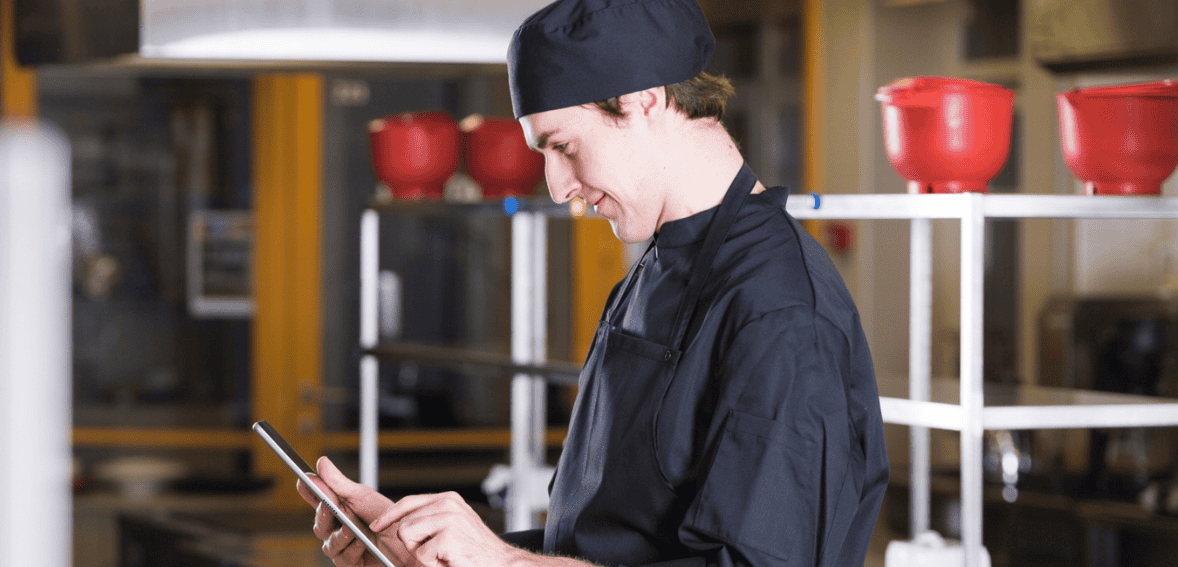
The kitchen display system, as the name suggests, is a digital system that replaces the traditional paper tickets with digital screens that display the orders. These systems are directly integrated into the POS system. This means that every order that a customer places will be instantly transmitted to the kitchen without any kind of lag. This helps to remove the lag that exists between the front of the house and the kitchen.
In the context of a KDS restaurant environment, it is possible to separate the orders based on the time it takes to prepare the order, the type of order, or the priority of the order. For instance, it is possible to separate the orders for dine-in customers, takeaway customers, and delivery customers. This helps the chef to effectively manage the orders without any kind of lag. This helps the chef to effectively handle the orders without any kind of lag, which is an important part of restaurant workflow optimization.
Moving Beyond Paper Tickets
Paper-based systems have long been the standard in restaurant kitchens, but they come with several limitations. Tickets can be misplaced, damaged, or misread, especially during peak hours. Handwritten notes may lack clarity, leading to confusion among staff members. Additionally, coordinating multiple orders manually can become overwhelming in a busy kitchen.
By transitioning to back-of-house automation through digital systems, restaurants can eliminate many of these challenges. A kitchen display system ensures that every order is clearly visible and consistently formatted, reducing ambiguity. In a KDS restaurant setup, updates such as modifications or cancellations are instantly reflected on the screen, allowing the kitchen to adapt in real time. This level of accuracy and responsiveness is difficult to achieve with traditional methods and plays a crucial role in improving restaurant workflow optimization.
Enhancing Communication Within the Kitchen
Effective communication is essential for smooth kitchen operations. In a traditional setup, communication often relies on verbal instructions, which can be easily misheard or forgotten in a noisy environment. This can lead to delays, duplicated efforts, or incorrect preparation.
A kitchen display system transforms communication by centralizing all order information in one place. Every team member can see the same data at the same time, ensuring alignment across the kitchen. In a KDS restaurant, stations such as grill, prep, and plating can each have their own display screens, allowing tasks to be distributed efficiently. This structured approach to communication supports back-of-house automation by reducing dependency on verbal coordination and enabling more streamlined restaurant workflow optimization.
Improving Order Accuracy and Consistency
Order accuracy is one of the most critical factors in customer satisfaction. Even a small mistake can lead to negative reviews, wasted ingredients, and additional costs. Traditional systems often rely on human interpretation, which increases the likelihood of errors.
With a kitchen display system, orders are displayed in a clear and standardized format, leaving little room for misinterpretation. Special instructions, modifications, and dietary requirements are highlighted, ensuring that every detail is captured accurately. In a KDS restaurant, this level of clarity helps maintain consistency across all orders, regardless of volume or complexity. By integrating back-of-house automation into daily operations, restaurants can significantly enhance their ability to deliver accurate and consistent meals, which is a key component of restaurant workflow optimization.
Speeding Up Service and Reducing Wait Times
Nowadays, dining is so fast-paced that customers not only want their meals fast but also want high-quality food. If a restaurant’s kitchen is slow, this could even affect the overall customer experience, which could result in displeased customers and decreased customer loyalty.
A kitchen display system helps speed up service by streamlining the flow of orders. Since orders are transmitted instantly from the POS, the kitchen can begin preparation without delay. In a KDS restaurant, timers and color-coded indicators can be used to track order progress, helping staff prioritize tasks effectively. This real-time visibility is a cornerstone of back-of-house automation and plays a vital role in restaurant workflow optimization by ensuring that orders are prepared and delivered within expected timeframes.
Optimizing Workflow Across Kitchen Stations
Modern kitchens are often divided into multiple stations, each responsible for a specific part of the preparation process. Coordinating these stations efficiently is essential for maintaining a smooth workflow, especially during busy periods.
A kitchen display system allows orders to be routed automatically to the appropriate stations, reducing the need for manual coordination. For instance, appetizers, main courses, and desserts can be assigned to different screens based on preparation requirements. In a KDS restaurant, this level of automation ensures that each station receives only the relevant information, minimizing confusion and overlap. By enabling seamless coordination between stations, back-of-house automation contributes significantly to restaurant workflow optimization.
Supporting Data-Driven Decision Making
One of the key advantages of digital systems is their ability to generate valuable data. A kitchen display system not only manages orders but also collects information about preparation times, peak hours, and staff performance.
In a KDS restaurant, this data can be analyzed to identify patterns and areas for improvement. For example, if certain dishes consistently take longer to prepare, adjustments can be made to improve efficiency. Similarly, staffing levels can be optimized based on peak demand periods. This data-driven approach to back-of-house automation enables restaurants to make informed decisions that enhance overall restaurant workflow optimization and long-term performance.
Integrating with Other Restaurant Technologies
A kitchen display system is most effective when it is integrated with other restaurant technologies such as POS systems, inventory management tools, and online ordering platforms. This integration creates a unified ecosystem that supports seamless operations across the entire business.
In a KDS restaurant, integration ensures that orders from all channels, including dine-in, delivery, and takeaway, are processed in a consistent manner. Inventory levels can be updated automatically based on orders, helping to prevent stock shortages. By connecting different systems through back-of-house automation, restaurants can achieve a higher level of restaurant workflow optimization and operational efficiency.
Enhancing Staff Productivity and Morale
The efficiency of a kitchen is closely tied to the productivity and morale of its staff. When employees are overwhelmed by disorganized processes or unclear instructions, it can lead to stress and reduced performance.
A kitchen display system simplifies workflows and reduces the cognitive load on staff by providing clear and organized information. In a KDS restaurant, employees can focus on their specific tasks without worrying about coordination or communication gaps. This structured environment supports back-of-house automation and contributes to better restaurant workflow optimization by enabling staff to work more efficiently and confidently. Over time, this can lead to improved job satisfaction and lower turnover rates.
Adapting to Changing Customer Expectations
Customer expectations have evolved significantly in recent years, with a growing emphasis on speed, convenience, and customization. Restaurants must adapt to these changes to remain competitive in a dynamic market.
A kitchen display system enables restaurants to handle complex and customized orders with ease. Whether it is dietary preferences, special instructions, or multi-channel orders, a KDS restaurant setup ensures that every detail is captured and executed accurately. This adaptability is a key benefit of back-of-house automation and plays a crucial role in restaurant workflow optimization by allowing businesses to meet diverse customer needs without compromising on efficiency.
Reducing Waste and Improving Cost Control
Operational inefficiencies often lead to increased waste, whether it is in the form of incorrect orders, over-preparation, or unused ingredients. These issues can have a significant impact on a restaurant’s profitability.
By implementing a kitchen display system, restaurants can minimize errors and improve order accuracy, reducing the likelihood of wasted food. In a KDS restaurant, real-time tracking of orders helps ensure that preparation is aligned with actual demand. This level of control is an important aspect of back-of-house automation and contributes to restaurant workflow optimization by enabling better resource management and cost efficiency.
Ensuring Scalability for Growing Businesses
As restaurants grow and expand, managing operations becomes increasingly complex. What works for a single location may not be sufficient for multiple outlets or high-volume operations.
A kitchen display system provides the scalability needed to support business growth. In a KDS restaurant environment, standardized processes can be implemented across multiple locations, ensuring consistency in operations and customer experience. Back-of-house automation makes it easier to manage larger volumes of orders and coordinate multiple teams, while restaurant workflow optimization ensures that efficiency is maintained at every stage of growth.
Overcoming Implementation Challenges
While the benefits of a kitchen display system are clear, implementing new technology can present challenges. Staff may need time to adapt to new processes, and there may be initial costs associated with setup and training.
However, these challenges can be addressed through proper planning and support. Training programs can help staff become comfortable with the new system, while phased implementation can reduce disruption to operations. In a KDS restaurant, the long-term benefits of back-of-house automation and improved restaurant workflow optimization often outweigh the initial challenges, making it a worthwhile investment for most businesses.
The Future of Back-of-House Automation
The future of restaurant operations is closely tied to advancements in technology. As AI, machine learning, and automation continue to evolve, the capabilities of kitchen display systems are expected to expand further.
In the coming years, a kitchen display system may incorporate predictive analytics to anticipate demand, optimize staffing, and suggest menu adjustments. A KDS restaurant could leverage these insights to enhance efficiency and deliver a more personalized customer experience. Back-of-house automation will continue to play a central role in restaurant workflow optimization, helping businesses stay competitive in an increasingly digital landscape.
Improving Visibility and Order Tracking in Real Time
One of the most valuable advantages of a kitchen display system is the ability to provide real-time visibility into every order moving through the kitchen. In traditional setups, once an order is handed off to the kitchen, it becomes difficult to track its progress without constant verbal follow-ups. This lack of visibility can lead to confusion, missed orders, or delays, especially during peak service hours when multiple orders are being processed simultaneously.
In a KDS restaurant environment, every order is tracked from the moment it is placed to the moment it is completed. Kitchen staff can see which orders are pending, in progress, or ready for service, all displayed clearly on the screen. This transparency allows for better coordination between kitchen staff and front-of-house teams, ensuring that customers receive accurate updates about their orders. By incorporating back-of-house automation, restaurants can eliminate guesswork and improve accountability across teams. This level of tracking plays a critical role in restaurant workflow optimization, as it ensures smoother operations and a more predictable service experience for both staff and customers.
Managing High-Volume Orders with Greater Efficiency
Handling a large number of orders at any given time is one of the biggest challenges that any restaurant may face, especially during peak hours or when there are special events. This may cause the restaurant to become overwhelmed, resulting in longer waiting periods. This issue may be even more complicated if the restaurant does not have adequate mechanisms to deal with such scenarios. The traditional methods may not be adequate to help the restaurant cope with the pace of modern-day demands, especially if there are several methods of ordering.
A kitchen display system will help the restaurant handle such scenarios more effectively. This is because, at a KDS restaurant, orders are queued and displayed according to their preparation time. This will help the restaurant staff concentrate on the orders that are urgent. This will help to minimize chaos while at the same time ensuring that none of the orders are left out. This will be an essential part of restaurant workflow optimization.
Supporting Multi-Channel Order Management
Today, a restaurant does not only depend on dine-in customers. The orders come from different sources, including online delivery platforms, mobile apps, and takeaway orders. Managing orders from different sources might not always be easy, especially when each source has its own schedule or time frame. This might result in delays, missed orders, or confusion among kitchen staff.
Kitchen display systems have made it easy for a restaurant to manage orders from different sources. In a KDS restaurant, orders from different sources, including online delivery platforms, mobile apps, and takeaway orders, are integrated into a single interface. This means that orders from different sources will be displayed uniformly, thus ensuring clarity. This has made it easy for a restaurant to automate its kitchen since there will be no need for manual orders or order tracking systems. This has made it easy for a restaurant to identify the source of each order, thus enabling it to achieve better workflow optimization.
Enabling Standardization Across Kitchen Operations
One of the most important aspects of building a strong brand for a restaurant is consistency. This means that customers need to have the same quality of food and service each time they come to eat at a particular venue, regardless of the time of day or location of the order.
While this is an important goal, it can sometimes be difficult, especially if a kitchen is more focused on manual preparation and interpretation. A kitchen display system allows for greater standardization of the kitchen workflow, as each order will be displayed in a consistent format. This means that recipes, preparation, and any other special instructions related to a particular order can be displayed clearly, as might be seen in a KDS restaurant.
This type of standardization is an important part of kitchen automation, as it does not require memory or communication. This allows for a greater workflow optimization, as each member of the kitchen staff will have a clear idea of the guidelines related to each particular order. This, in turn, will help build a greater brand reputation with customers.
Conclusion
The back of house is the heart of any restaurant, and its efficiency directly impacts the overall success of the business. Traditional methods of managing kitchen operations are no longer sufficient in today’s fast-paced and technology-driven environment. By adopting solutions such as the kitchen display system and embracing KDS restaurant technology, restaurants can transform their operations and achieve higher levels of efficiency.
Back-of-house automation and restaurant workflow optimization are not just trends but essential strategies for modern restaurants. From improving communication and accuracy to enhancing speed and scalability, these solutions offer a comprehensive approach to operational excellence. As the industry continues to evolve, restaurants that invest in smart workflows and digital systems will be better positioned to meet customer expectations and achieve long-term success.