UGC Restaurant Marketing: Harnessing User-Generated Content to Build Trust and Drive New Customers
Trust has become one of the most valuable currencies in modern marketing. Customers today are surrounded by advertising, brand claims, and promotional messages from every direction. What they often trust more than polished campaigns is the real voice of other customers. Photos taken at the table, reviews written after a meal, and stories shared on social platforms all feel more authentic because they come from lived experiences rather than marketing teams.
User-generated content, often referred to as UGC, plays a powerful role in shaping how people perceive a business before they ever visit. For restaurants and hospitality brands in particular, this content helps potential customers imagine themselves in the space, enjoying the food and the atmosphere. When used thoughtfully, UGC restaurant marketing builds credibility, reinforces social proof restaurant audiences look for, and encourages new diners to walk through the door with confidence.
Understanding What User-Generated Content Really Is
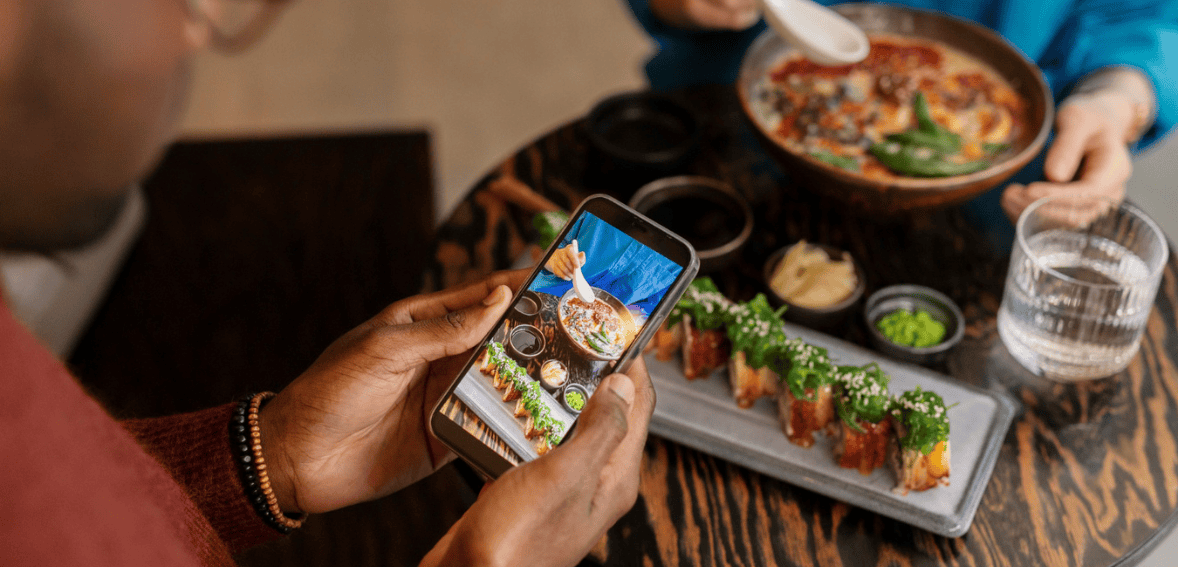
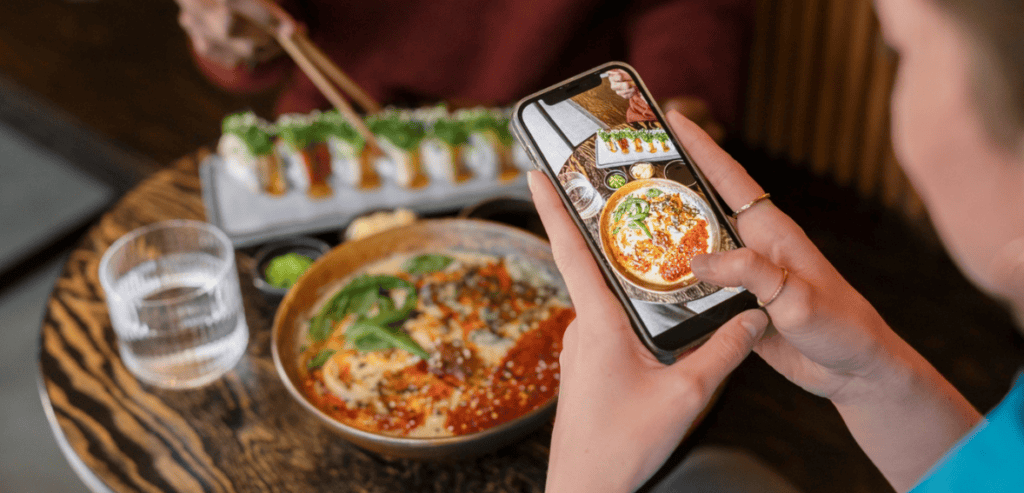
User-generated content is basically any photography, videos, reviews, or written posts made by customers themselves, not by the business. In a restaurant context, this generally refers to images of meals, short videos of dining experiences, location tags, check-ins, and comments on social media or review platforms. These pieces of content are unstaged and unscripted, and that is precisely why they tend to feel more authentic to viewers.
The value of this content lies in its relatability. When people see customer photos dining in a real setting, the experience feels accessible rather than idealised. UGC restaurant marketing works because it reflects everyday enjoyment rather than perfection. Instead of telling people that a restaurant is worth visiting, it shows them through the voices and visuals of other guests who have already been there.
Why Trust Matters More Than Ever in Customer Decisions
Modern customers are careful decision makers. Before trying a new restaurant, many people scroll through reviews, browse social media tags, and look at customer photos dining at the location. This behaviour is driven by the desire to reduce risk and disappointment. A recommendation from another customer feels safer than a brand promise.
Social proof restaurant strategies are grounded in this psychology. When people see others enjoying a meal, celebrating occasions, or returning multiple times, it reinforces the idea that the experience is reliable. UGC restaurant marketing strengthens trust because it answers unspoken questions. What does the food really look like? Is the atmosphere welcoming? Do people actually enjoy being there? User-generated content provides these answers without hard selling.
How User-Generated Content Influences First Impressions
First impressions often happen online, not at the front door. A potential customer’s first encounter with a restaurant may be through a tagged photo, a story highlight, or a review shared by a friend. These moments shape expectations long before an actual visit takes place.
Customer photos dining in real conditions help set realistic expectations. Lighting, portion sizes, presentation, and ambience all appear naturally. This transparency helps build trust because the experience delivered is aligned with what was shown. UGC restaurant marketing reduces the gap between expectation and reality, which is critical for positive word of mouth. Strong social proof restaurant content ensures that first impressions are grounded in authenticity rather than exaggeration.
The Emotional Power of Seeing Real Customers
User-generated content carries emotional weight that traditional advertising struggles to match. Seeing real people enjoying food triggers emotional responses tied to comfort, pleasure, and connection. It is easier for someone to imagine themselves in a place when they see others like them already there.
Customer images of eating out with friends, family, or colleagues convey more than the food they order. They convey experiences of joy, celebrations, and calmness. UGC in restaurant marketing leverages this emotion in a way that does not directly sell it out. Social proof of a restaurant’s audience is driven by images that demonstrate shared human experiences, as opposed to the business’s messages. Over time, this builds brand loyalty even among first-time visitors.
Building Authenticity Through Shared Experiences
Authenticity is not created through slogans but through consistency. When multiple customers independently share similar positive experiences, it reinforces credibility. A single marketing photo can be dismissed, but dozens of independent posts create a pattern that feels trustworthy.
UGC restaurant marketing thrives on this collective storytelling. Each customer contribution adds another layer to the brand narrative. Customer photos dining at different times of day, during events, or across seasons show depth and reliability. Social proof restaurant strategies built on repeated authentic moments help new customers feel confident that the experience will meet their expectations regardless of when they visit.
Encouraging Customers to Create Content Naturally
The most effective user-generated content is created willingly, not forced. Restaurants encourage content creation simply by delivering memorable experiences. Good lighting, appealing presentation, and welcoming spaces naturally invite people to take photos and share moments.
Simple prompts can also help without feeling intrusive. Table signage, subtle reminders on menus, or friendly staff mentioning social tags can nudge guests toward sharing. UGC restaurant marketing benefits when customers feel invited rather than instructed. When sharing feels like part of the experience, customer photos dining become organic expressions rather than promotional obligations, strengthening social proof restaurant credibility.
Using User-Generated Content Without Losing Authenticity
Reposting user-generated content should always feel respectful and aligned with the original intent. Asking for permission, crediting the creator, and keeping captions simple helps maintain trust. Customers appreciate recognition, especially when it feels genuine.
Over editing or over branding shared content can reduce its impact. UGC restaurant marketing works best when posts retain their original tone and imperfections. Slightly imperfect lighting or casual captions actually reinforce authenticity. Social proof restaurant strategies rely on honesty, so preserving the original voice of the customer is more valuable than perfect aesthetics.
Integrating UGC Into Restaurant Marketing Channels
User-generated content is versatile and can be used across multiple channels. Social media feeds, website galleries, digital menus, and even in store displays can showcase real customer experiences. Each placement reinforces trust in a slightly different way.
On the social platforms, customer photos dining create engagement and community interaction. On websites, they provide reassurance to first-time visitors who look through the menu or book a table. This UGC for restaurant marketing gets more powerful when the content is integrated consistently, rather than being treated as some kind of one-off tactic. Social proof means restaurant visibility across channels-ensuring that trust is reinforced at every stage of the customer journey.
The Role of Reviews as User-Generated Content
Written reviews are one of the strongest forms of user-generated content. They provide context, detail, and personal insight that photos alone may not convey. Reviews often explain why people enjoyed a dish, appreciated the service, or returned multiple times.
UGC restaurant marketing should treat reviews as valuable assets rather than feedback only. Highlighting excerpts or sharing review stories humanises the brand. Customer photos dining paired with written testimonials create a fuller picture of the experience. Social proof restaurant trust grows when both visual and written content align in message and tone.
Handling Negative User-Generated Content Thoughtfully
Not all user-generated content will be positive, and that is not necessarily a bad thing. Thoughtful responses to criticism often build more trust than ignoring or deleting negative feedback. Customers understand that no experience is perfect.
How a restaurant responds shows accountability and care. Addressing concerns calmly and offering solutions reflects confidence. UGC restaurant marketing benefits when transparency is visible. Social proof restaurant audiences notice responsive behaviour and often interpret it as a sign of professionalism rather than weakness.
Measuring the Impact of User-Generated Content
While UGC feels informal, its impact can still be observed. Increases in engagement, website visits, reservation inquiries, and repeat visits often follow consistent use of user-generated content. Tracking these trends helps businesses understand which content resonates most.
Customer photos dining often generate higher engagement than branded visuals because they feel more relatable. UGC restaurant marketing becomes more effective when patterns are observed rather than isolated numbers. Social proof restaurant strategies improve when businesses learn what their audience responds to and amplify those signals naturally.
User-Generated Content and Long Term Brand Loyalty
Trust does not end with the first visit. When customers see their content shared and appreciated, they feel more connected to the brand. This recognition turns one time diners into repeat visitors and advocates.
UGC restaurant marketing not only acts as a means of strengthening the community by involving your customer in your brand story, but it also empowers the social proof of your brand value as your loyal customers continue to give back as time passes.
Maintaining Ethical and Legal Considerations
Using user-generated content responsibly is essential. Clear consent, proper attribution, and respect for privacy should guide every decision. Customers should never feel that their content was taken without permission or used inappropriately.
Ethical UGC restaurant marketing builds trust rather than risking it. Customers are more willing to share when they know their contributions are valued and respected. Maintaining clear standards protects both the business and its community. Social proof restaurant credibility depends not just on content quality but also on ethical handling.
Adapting UGC Strategies as Platforms Change
Social platforms evolve, and user behavior along with them, at an incredibly fast pace. Short video formats, stories, and other temporary posts have shifted the way people publish experiences. Successful restaurants just pay attention to how customers naturally share content instead of forcing the old format on them.
UGC restaurant marketing only works when it aligns with customer behavior. Photos of customers dining will perhaps soon move to short-form clips or reels, but the credence is always the same. Social proof restaurant strategies work when they stay aligned with how audiences communicate in real time.
Turning Everyday Guests Into Brand Advocates
One of the strongest advantages of user-generated content is its ability to turn everyday guests into active brand advocates. When customers see their photos, videos, or comments shared by a restaurant, it validates their experience and makes them feel part of something larger than a single meal. This emotional connection encourages repeat visits and increases the likelihood that customers will continue sharing their experiences organically.
UGC restaurant marketing becomes more sustainable when advocacy develops naturally. Customer photos dining with friends or celebrating special occasions act as personal endorsements rather than promotions. These endorsements hold more weight because they come from genuine experiences. Social proof restaurant audiences trust feels stronger when advocacy looks voluntary rather than incentivised. Over time, this advocacy builds momentum as new visitors see familiar faces and real stories, creating a cycle where customers influence customers without heavy marketing intervention.
Using UGC to Reduce Decision Anxiety for New Customers
Trying a new restaurant often comes with hesitation. People worry about food quality, service, pricing, and atmosphere. User-generated content helps remove that uncertainty by showing what a real visit looks like. Instead of imagining worst case scenarios, potential diners see real outcomes shared by others who have already taken the step.
Customer photos dining in casual, unedited settings provide reassurance that the experience is approachable and consistent. UGC restaurant marketing plays a calming role here, guiding hesitant customers toward confident decisions. Social proof restaurant signals reduce mental friction by answering questions visually and emotionally. When new customers feel confident before arriving, they tend to be more relaxed and open during the experience, which improves satisfaction and the likelihood of positive follow up sharing.
Aligning UGC With Offline Dining Experiences
For user-generated content to truly build trust, it must match what customers experience in person. A disconnect between online impressions and offline reality can weaken credibility. Restaurants that succeed with UGC ensure that what is shared reflects the everyday dining environment rather than rare or overly curated moments.
Customer photos dining during regular service hours often resonate more than staged visuals. UGC restaurant marketing benefits when online content aligns with the lighting, presentation, and service customers will get in real life. Social proof restaurant trust grows when diners recognize the space and atmosphere they saw online. This alignment strengthens consistency and encourages more customers to share content confidently, knowing their experience will mirror what others have posted.
Long Term Brand Storytelling Through Customer Contributions
Over time, user-generated content becomes a living archive of a restaurant’s story. Each post adds context and continuity, showing how the brand evolves through seasons, menu changes, and customer milestones. This long term storytelling feels organic because it is shaped by the community rather than dictated by marketing plans.
UGC restaurant marketing becomes even more deep when customer photos dining capture anniversaries, regular visits, and spontaneous moments. These repeated appearances build familiarity and emotional attachment. Social proof restaurant narratives develop organically, reinforcing the notion that the brand is enjoyed consistently, not just occasionally promoted. When restaurants view UGC as an ongoing story rather than just short-term content, trust grows steadily, with customer relationships becoming closer over time.
Final Thoughts on Building Trust Through UGC
User-generated content is not a trend but a reflection of how people make decisions. Real experiences shared by real customers carry a level of trust that no advertisement can replicate. When restaurants embrace this content thoughtfully, they allow customers to speak for them in the most credible way possible.
UGC restaurant marketing, supported by authentic customer photos dining and reinforced by visible social proof restaurant signals, creates a cycle of trust and growth. New customers arrive with confidence, existing customers feel valued, and the brand develops a reputation grounded in genuine experience rather than claims. Over time, this trust driven approach becomes a powerful engine for both customer acquisition and long term loyalty.