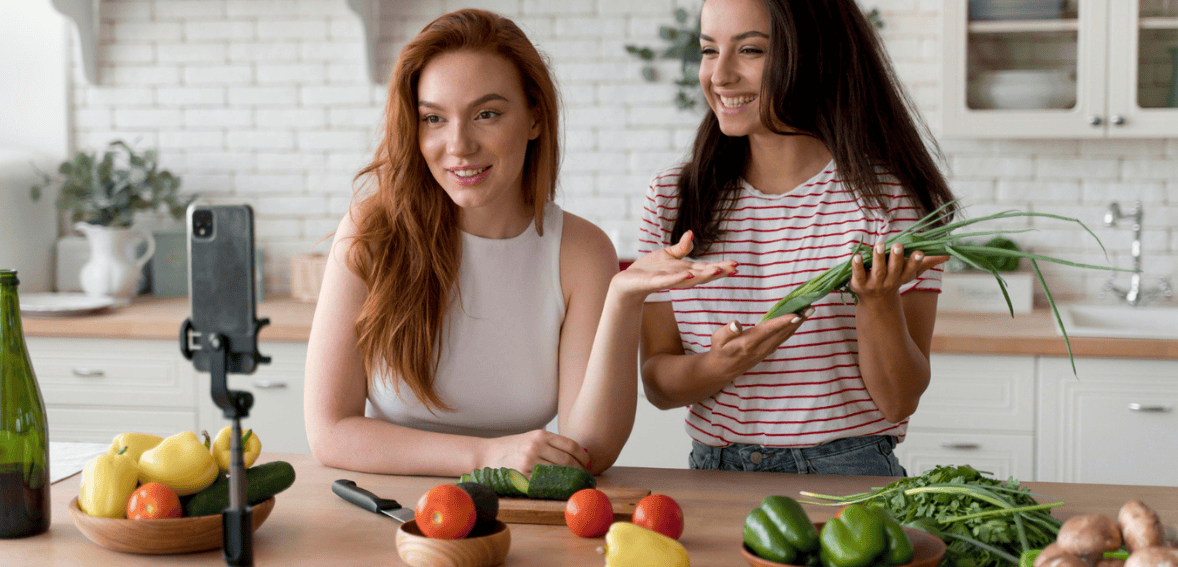
Influencer and Food Blogger Collaborations: Do They Really Work?
Over the last decade, social media has transformed how people discover restaurants, cafes, and new food trends. Instead of relying only on word of mouth or traditional advertising, diners now turn to Instagram feeds, short videos, and blog reviews to decide where to eat. This shift has made influencer and food blogger collaborations a popular strategy for restaurants that want visibility without spending heavily on large scale advertising. Yet many business owners still wonder whether these partnerships genuinely deliver results or simply generate short lived attention.
The promise of influencer driven promotion is appealing. A single post can expose a restaurant to thousands of potential diners in minutes, often wrapped in a personal story that feels more authentic than a standard ad. At the same time, not every collaboration leads to increased bookings or long term loyalty.
Why Influencers and Food Bloggers Became Relevant to Restaurants
The rise of influencers and food bloggers is closely linked to changes in consumer behaviour. People increasingly trust recommendations from individuals they follow online, especially when those individuals appear relatable and consistent. Food content, in particular, performs well because it is visually engaging and emotionally appealing. A well shot plate of food or a short tasting video can instantly spark interest and curiosity.
Restaurants began partnering with bloggers and influencers because these creators already had established audiences interested in dining experiences. Instead of building visibility from scratch, restaurants could tap into existing communities. Restaurant influencer marketing grew as an accessible way for small and medium establishments to reach targeted audiences without traditional media costs. Over time, these collaborations became more structured, with clearer expectations around content, reach, and outcomes.
Understanding Restaurant Influencer Marketing
Restaurant influencer marketing involves partnering with individuals who have an engaged online following and asking them to showcase a dining experience. This usually includes posts, stories, or videos that highlight the food, ambience, and overall experience. The goal is to make the restaurant feel desirable and trustworthy to the influencer’s audience.
What makes this approach attractive is its personal tone. Unlike advertisements, influencer content often feels conversational and informal. Followers may view the recommendation as genuine rather than promotional. However, effectiveness depends on alignment. When the influencer’s audience and style match the restaurant’s identity, the collaboration feels natural. When there is a mismatch, engagement may be high but actual footfall may remain low.
The Role of Food Bloggers Outreach
Food bloggers outreach is slightly different from influencer marketing, though the lines often overlap. Bloggers typically focus more on detailed reviews, storytelling, and long form content. Their audiences may be smaller than those of large influencers, but they are often more niche and highly engaged. Outreach involves identifying bloggers whose content aligns with the restaurant’s cuisine, values, and price range.
Successful food bloggers outreach requires research and personalisation. Generic invitations are often ignored, while thoughtful messages that reference the blogger’s previous work tend to perform better. Bloggers often value creative freedom and transparency. When handled well, these collaborations can result in in-depth reviews that continue driving interest long after the initial post, contributing to lasting social proof restaurants benefit from over time.
Social Proof and Why It Matters for Restaurants
Social proof restaurants receive from influencers and bloggers plays a powerful role in shaping perception. When people see others enjoying a meal or recommending a place, it reduces uncertainty and builds trust. This psychological effect explains why restaurants often highlight reviews and influencer posts on their own channels.
Influencer collaborations amplify this effect by presenting social proof in a familiar, engaging format. Followers may feel they are discovering a place through a trusted source rather than being sold to. However, social proof works best when it appears organic and consistent. A single sponsored post surrounded by unrelated content may not have the same impact as repeated mentions over time from different voices within the food community.
Do Influencer Collaborations Drive Actual Footfall
One of the biggest questions restaurants ask is whether influencer collaborations translate into real customers. The answer depends on several factors, including location, audience relevance, and timing. A visually appealing post may generate likes and shares, but footfall increases when viewers can act easily on the recommendation.
Restaurants located in urban areas with social media savvy audiences often see clearer results. Limited time offers, reservations links, and clear location tags help convert interest into visits. In contrast, collaborations without a call to action may raise awareness but deliver limited immediate returns. Restaurant influencer marketing performs best when visibility is paired with practical steps that guide interested diners toward a visit.
Short Term Buzz Versus Long Term Impact
Influencer collaborations often create a surge of attention shortly after posting. This short term buzz can be valuable for new openings, seasonal menus, or special events. However, restaurants should not expect every collaboration to produce lasting effects on its own. Long term impact comes from consistency rather than one off posts. Ongoing food bloggers outreach and relationships with local creators can maintain a steady presence in conversations around dining. Over time, this repeated exposure strengthens social proof restaurants rely on and builds familiarity within the community. Measuring success should include both immediate outcomes and longer term brand recognition.
Choosing the Right Influencer or Blogger
The success of collaborations depends heavily on partner selection. Follower count alone is not a reliable indicator of impact. Engagement, audience demographics, and content style matter more. An influencer with a smaller but highly relevant following can outperform a larger account with a broad audience.
Restaurants should look for creators whose content already aligns with their cuisine and atmosphere. Reviewing past posts helps assess authenticity and tone. Trust grows when followers feel the influencer genuinely enjoys the experience rather than delivering scripted praise. This authenticity is critical for restaurant influencer marketing to feel credible and for social proof restaurants to appear genuine rather than manufactured.
Authenticity and Transparency in Collaborations
Transparency has become increasingly important as audiences grow more aware of sponsored content. Clear disclosure does not necessarily reduce effectiveness. In many cases, honest communication builds trust. Audiences are more likely to accept recommendations when they feel informed rather than misled.
Allowing influencers and bloggers creative freedom also supports authenticity. Overly controlled messaging can make content feel unnatural and reduce engagement. Successful food bloggers outreach focuses on collaboration rather than direction, trusting creators to present their experiences in a way that resonates with their audience while remaining truthful.
Measuring the Success of Influencer Campaigns
Measuring success goes beyond counting likes or followers gained. Restaurants should evaluate whether collaborations align with business goals. Metrics may include increases in reservations, inquiries, or website visits during and after campaigns. Asking guests how they heard about the restaurant can provide valuable insight.
Qualitative feedback matters as well. Comments, messages, and shares often reveal how people perceive the restaurant. Social proof restaurants gain through positive discussion can be just as valuable as immediate sales. Setting clear expectations before collaborations helps determine whether outcomes meet strategic needs rather than vague impressions.
Common Mistakes Restaurants Make
One common mistake is focusing on popularity rather than relevance. Collaborations with mismatched audiences often produce impressive engagement numbers with little tangible return. Another issue is inconsistent follow up. Restaurants may host influencers but fail to maintain the relationship, limiting long term benefits.
Poor communication can also undermine results. Unclear expectations around posting timelines, content format, or experience details may lead to disappointment on both sides. Restaurant influencer marketing works best when partnerships are approached professionally, with mutual respect and shared goals rather than assumptions.
Budget Considerations and Cost Expectations
Costs vary widely across influencer and blogger collaborations. Some creators accept complimentary meals, while others charge fees based on reach and content format. Restaurants should view these costs as marketing investments rather than isolated expenses. Comparing influencer costs to traditional advertising can be useful. While influencer campaigns may not deliver guaranteed returns, they often provide valuable exposure and content that can be reused. Clear budgeting helps restaurants decide whether food bloggers outreach fits within their broader marketing strategy rather than replacing other essential efforts.
Local Influencers Versus National Reach
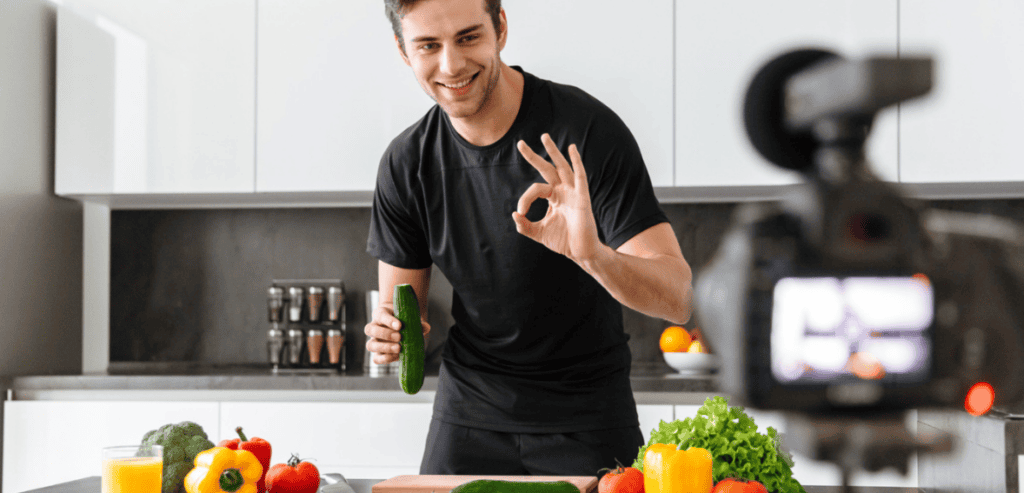
Local influencers often provide higher conversion potential for restaurants that rely on nearby customers. Their audiences are more likely to visit because of proximity. National or global influencers may raise brand awareness, but footfall impact can be limited for location specific businesses. Combining local partnerships with occasional wider exposure can create balance. Local collaborations strengthen community presence, while broader mentions support brand prestige. Understanding this distinction helps restaurants use restaurant influencer marketing more strategically and avoid unrealistic expectations.
The Impact of Platform Choice
Different platforms serve different purposes. Visual platforms are particularly effective for food content, while written blogs provide depth and detail. Choosing the right platform depends on the restaurant’s goals and target audience. Food bloggers outreach often complements influencer marketing by offering long form content that ranks in search results and provides sustained visibility. Together, these channels reinforce social proof restaurants benefit from across both social media and online discovery paths.
Ethical and Reputational Considerations
Reputation plays a crucial role in the hospitality industry. Partnering with influencers who have a history of controversy or misleading conduct can negatively impact a brand’s image. Carefully reviewing an influencer’s past content and credibility helps minimize this risk. Upholding ethical standards also means presenting the experience honestly; overhyping or staging unrealistic scenarios can erode trust when guests visit in person. The social proof restaurants build should be rooted in genuine experiences, ensuring expectations align with reality and reducing the chances of disappointment or negative reviews.
Adapting Strategies for Different Restaurant Types
Fine dining establishments may approach influencer marketing differently from casual eateries. Ambience, pricing, and service style influence how collaborations are structured. A casual cafe may benefit from frequent local content, while a fine dining restaurant might focus on fewer, carefully curated features. Understanding brand identity guides collaboration choices. Food bloggers’ outreach should align with the experience offered rather than forcing trends that do not fit. Tailoring strategies ensures consistency and protects long term reputation.
Do Influencer and Blogger Collaborations Really Work
Influencer and food blogger collaborations can work, but they are not a guaranteed solution. Their effectiveness depends on thoughtful selection, clear goals, and realistic expectations. When used strategically, restaurant influencer marketing can increase visibility, strengthen social proof restaurants rely on, and support steady growth.
Food bloggers outreach adds depth and credibility, especially when relationships are maintained over time. Rather than treating collaborations as quick fixes, restaurants benefit most when they integrate them into a broader marketing approach. In the end, success comes from authenticity, consistency, and a genuine commitment to delivering experiences worth sharing.
How Audience Trust Shapes Influencer Effectiveness
Audience trust is one of the most decisive factors in whether influencer collaborations truly work for restaurants. Followers tend to respond not just to what is posted, but to who is posting it. Influencers and bloggers who have built credibility over time often influence behaviour more effectively than those with higher reach but weaker trust. This trust is earned through consistency, honest opinions, and selective partnerships.
When audiences feel an influencer promotes everything indiscriminately, restaurant influencer marketing loses impact. In contrast, creators who share fewer but more thoughtful recommendations often drive stronger engagement and real visits. Trust turns content into action, not just visibility. This is why social proof restaurants gain from trusted creators often feels more authentic and persuasive. Restaurants that prioritise credibility over sheer numbers are more likely to see meaningful outcomes. Understanding this trust dynamic helps businesses evaluate collaborations beyond surface metrics and focus on long term influence rather than short lived exposure.
Repeat Collaborations and Building Familiarity
One time influencer collaborations can generate awareness, but repeat collaborations tend to create familiarity and recognition. When audiences see the same restaurant featured multiple times by the same creator or even by different creators in similar niches, the message gets reinforced. Familiarity lessens doubt and prompts taking action, especially for restaurants fighting for attention in crowded markets.
Food bloggers outreach that is more relationship focused and less about one off visits tends to naturally yield mentions over time. These repeated references on occasions can be less promotional and more like a friendly chat thus social proof restaurants gain by accumulating it gradually. From a branding point of view, consistency is a sign of reliability and trust. Restaurants that establish long, term creator relationships usually experience better identity alignment and more long, term interest from potential diners. Familiarity does not develop very quickly, but it is instrumental in converting awareness to preference.
The Influence of Storytelling Over Simple Promotion
Narrations enhance the effectiveness of content by influencers and bloggers. While content that merely displays dishes can get one’s attention, if there are narratives that explain the experience, it can create an emotional engagement with the content. People tend to recall and respond to content that they can relate to.
When it comes to influencer marketing in restaurants, having content about first impressions, conversations with staff, and decisions about food choices is rather effective. Such storytelling humanises the brand and puts it above the rest. Food blogger outreach stands out because of its length, and as a result, storytelling is possible. If the restaurant values and setting fit with the story, it will ultimately create better social proof for restaurants because it provides a whole image and not just pictures. Such content will be more authentic, and as such, it will be easy to relate to.
When Influencer Marketing May Not Be the Right Fit
Although influencer marketing is quite popular, it is not an appropriate platform for all restaurants. For instance, restaurants that are struggling with consistency, customer service, or capacity might find themselves facing more pressure with increased exposure. Influencer marketing increases both the pros and cons of exposure.
Highly local or specialized restaurants might not find this approach valuable in cases when the audience of influencers doesn’t target their geographical area. In this sense, basic word-of-mouth or local engagement might be a better option. Reaching out to food bloggers also consumes a lot of effort and time that not all restaurants can dedicate. Awareness of this point will help restaurants not fall into situations of mismatched expectations. Influencer marketing for restaurants is useful when incorporated into a balanced marketing plan and not used universally.
Conclusion: Weighing Impact Against Intent
Influencer and food blogger collaborations can be powerful tools for restaurants, but only when guided by clear intent and realistic expectations. Success does not come from chasing follower counts alone; it comes from building relevance, authenticity, and trust. Audiences connect more deeply with creators who genuinely align with a restaurant’s food, values, and atmosphere, and that connection cannot be manufactured through numbers. When collaborations feel natural and honest, they add real social proof in an increasingly competitive dining market.
Food blogger outreach further strengthens this approach by providing depth, storytelling, and longer-lasting visibility beyond quick social posts. Together, these efforts can drive awareness, credibility, and steady customer growth but they are not shortcuts. Meaningful results require consistency, thoughtful storytelling, and, most importantly, a dining experience worth sharing. Used strategically, influencer collaborations enhance broader marketing efforts and brand perception. Used carelessly, they become forgettable noise. Ultimately, effectiveness depends on intention, patience, and alignment with real business goals.